MH Energy Your Better Solar and Energy Partner

Global solar purchasing has moved beyond comparing panel prices. Buyers now assess system design, supplier stability, warranties, storage readiness, and local service. The IEA’s Renewables 2024 report projects that global renewable capacity will expand by nearly 5,500 gigawatts by 2030. Solar photovoltaic technology is expected to provide about 80% of that growth. The signal is clear: demand is rising quickly, but purchasing mistakes can become expensive.
Details matter.
IRENA reported 585 gigawatts of new renewable capacity in 2024, including approximately 452 gigawatts of solar power. Those figures show strong momentum, yet they do not guarantee a suitable installation for every buyer. Roof direction, shading, grid reliability, temperature, and maintenance access can change the real value of a system. A low quotation may hide weaker inverters, unclear degradation terms, or limited technical support. This guide examines ten practical buying tips for global customers choosing a System Solar System. It focuses on evidence rather than attractive brochures.
Fatih Birol, Executive Director of the International Energy Agency, has said, “Solar PV and wind are going to be the two pillars of the new global energy economy.” His observation supports careful, long-term purchasing decisions. Buyers should verify manufacturer records, independent test results, certification, and after-sales commitments before signing. No checklist is perfect. I have seen impressive specifications fail when installers ignored local heat, dust, or cable routing. Reliable procurement requires questions, documented answers, and realistic performance expectations. That discipline protects budgets and improves energy results across different markets.
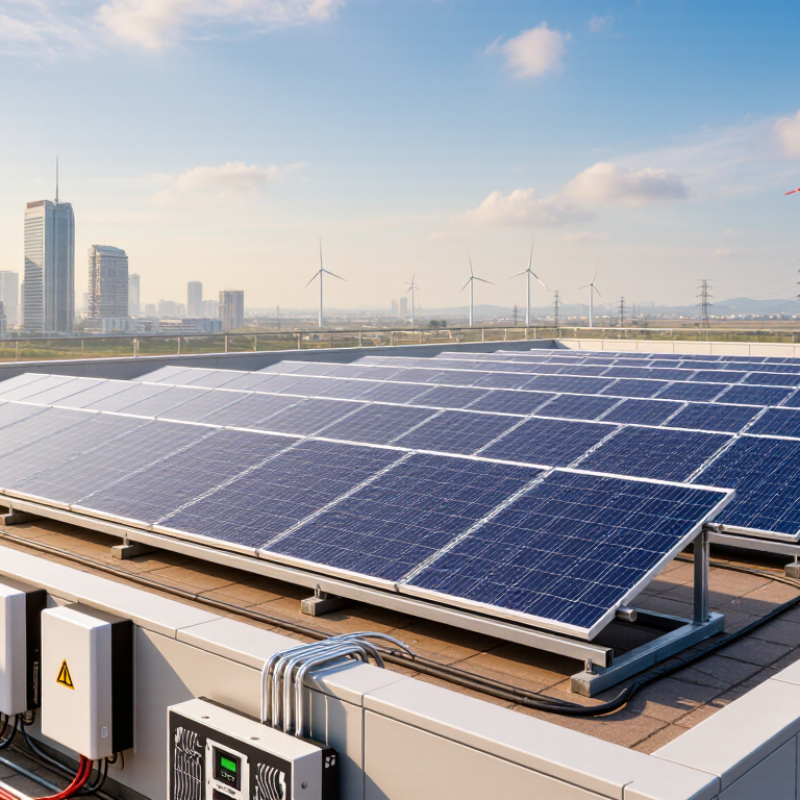
Before comparing equipment, define what your property must accomplish.
Review twelve months of electricity bills, not one unusually high month. Record monthly kilowatt-hours, peak demand, outage frequency, and major loads. Include air conditioning, pumps, heating, refrigeration, and electric vehicles. A clear load profile prevents an oversized array and an undersized battery.
Your goal may be lower bills, backup power, carbon reduction, or partial energy independence. These goals produce different designs. A grid-connected home may prioritize daytime generation. A remote facility may need storage for several cloudy days.
Local sunlight, roof direction, shading, temperature, tariffs, and grid rules also matter. IRENA’s Renewable Capacity Statistics 2024 reported about 1,419 gigawatts of global solar capacity at the end of 2023, with roughly 346 gigawatts added that year. Rapid growth does not make every project suitable.
Ask for modeled results using conservative assumptions. Request annual yield, winter output, battery autonomy, degradation, and estimated payback. Test the design against future loads, such as a heat pump or workshop equipment.
A perfect forecast is impossible. That part is often overlooked.
The International Energy Agency also emphasizes that electricity demand and clean-energy deployment vary by region, so imported assumptions can mislead buyers.
Compare at least three scenarios: current use, expected growth, and emergency operation. Then verify local installer credentials, warranty terms, monitoring access, and maintenance responsibilities before signing.
10 Solar System Buying Tips for Global Buyers
Local conditions should guide every solar purchase. Measure the roof. Record sunlight across different seasons, not just one bright afternoon. Nearby buildings, trees, dust, and roof angles can reduce production. Ask a qualified local installer for a shading assessment and a realistic annual estimate. Historical solar data helps, but actual site measurements are better.
Study the climate before choosing equipment. High heat can lower panel output, while heavy snow adds structural pressure. Coastal air may accelerate corrosion, and frequent hail requires stronger protection. Check wind ratings, drainage, mounting methods, and cleaning needs. Ask how performance changes during cloudy months. Stay realistic. An oversized system may waste money if local rules limit grid exports.
Regulations also vary by country, city, and utility. Confirm permits, electrical standards, inspection steps, fire-access rules, and connection requirements before paying a deposit. Some regions require licensed electricians or certified equipment. Others restrict battery locations or impose export limits. Request written quotations showing warranties, expected output, maintenance duties, and replacement assumptions. A low price can hide costly compliance work. I have seen buyers focus on panel capacity while overlooking roof repairs and approval delays. That mistake is easy to repeat. Speak with two local professionals, compare their calculations, and keep copies of every approval document.
10 Solar System Buying Tips for Global Buyers
System type shapes every later decision. Grid-tied systems usually cost less because they omit batteries. They suit reliable utility networks and daytime electricity use. Hybrid systems add batteries for backup, load shifting, or unstable grids. Off-grid systems require larger storage and careful demand planning. A remote pump and a family home are not comparable loads.
Compare components, not only panel wattage. The inverter controls conversion, monitoring, and often backup behavior. Check its efficiency, operating temperature, protection rating, and service pathway. Battery usable capacity matters more than advertised capacity. Ask about cycle life, warranty conditions, and replacement access. Mounting hardware should match local wind, snow, salt, and roof materials. Small details matter.
Performance estimates need credible assumptions. IRENA reported about 346 gigawatts of solar capacity added globally in 2023, showing rapid deployment but uneven quality. NREL’s field research commonly reports photovoltaic degradation near 0.5% annually, although climate and equipment can change results. Request hourly production estimates, not just annual totals. Include shading, dust, temperature, and seasonal demand. A hot roof can reduce output. So can neglected filters and loose connections. I would challenge any quotation promising perfect savings. My own review would check measured consumption first, then test several weather years. A cheaper system may become expensive when unavailable parts delay repairs. Ask who will inspect it after installation. Reliability is designed, then verified.
Tip 1: Check the supplier’s operating history, export records, and technical staff. Ask for recent project references in climates similar to yours. Tip 2: Request a complete bill of materials, not only a headline price. It should include panels, inverters, mounting hardware, cables, monitoring, shipping, and installation. Tip 3: Compare at least three written quotations. The cheapest offer may exclude essential protection equipment. I have seen buyers discover those costs after signing.
Tip 4: Review product and performance warranties separately. Confirm coverage periods, exclusions, claim procedures, and responsible parties. A long warranty means little without local service capacity. Tip 5: Ask how replacement parts are stored and shipped. Delays can reduce production during hot or rainy seasons. Tip 6: Verify testing documents through recognized laboratories or inspection agencies. Do not rely on copied certificates. Tip 7: Inspect sample equipment before ordering large volumes. Small details matter, including connector fit, cable quality, labels, and enclosure seals.
Tip 8: Calculate financing using the total repayment amount, not just the monthly installment. Include interest, insurance, taxes, currency changes, and maintenance. Tip 9: Match payment milestones with measurable delivery stages. For example, link payments to inspection, shipment, installation, and commissioning. Tip 10: Put energy-yield assumptions in writing. Ask whether forecasts use local weather data and realistic system losses. I would also allow a contingency budget. Solar projects rarely follow the first spreadsheet perfectly.
| No. | Evaluation Area | What to Compare | Practical Benchmark or Data Point | Recommended Buyer Action | Key Warning Sign |
|---|---|---|---|---|---|
| 1 | Supplier qualification | Operating history, production capacity, export experience, financial stability, and after-sales coverage | Request at least three years of verifiable operating and shipment records, plus references for projects of similar size and climate. | Check company registration, audited or independently verified documents, product certificates, and customer references before requesting a final quotation. | Risk Unverifiable certificates or pressure to make full payment before inspection |
| 2 | System sizing | Annual electricity consumption, peak demand, roof or land area, solar resource, and battery requirements | Use at least 12 months of electricity bills where available. A professional design should state estimated annual generation, losses, and expected self-consumption. | Ask for a site-specific energy model that includes shading, orientation, temperature, wiring, inverter, and battery losses. | Risk Output estimates based only on nominal panel wattage |
| 3 | Equipment quality | Module efficiency, temperature coefficient, degradation rate, inverter efficiency, safety features, and battery chemistry | Compare like-for-like specifications. For lithium stationary storage, lithium iron phosphate chemistry is commonly selected for thermal stability and cycle performance. | Review complete datasheets, independent test reports, safety documentation, and compatibility between modules, inverters, batteries, and monitoring systems. | Risk Missing test conditions, incomplete datasheets, or incompatible components |
| 4 | Pricing structure | Equipment, engineering, installation, freight, insurance, duties, taxes, permits, and commissioning | Compare total delivered and commissioned cost rather than equipment-only price. A low equipment price may exclude local installation, grid studies, or import charges. | Request an itemized quotation using the same delivery term, currency, quantity, technical scope, and payment assumptions from every supplier. | Risk Unclear exclusions or quotations that cannot be compared on the same basis |
| 5 | Warranty coverage | Product warranty, performance warranty, inverter warranty, battery warranty, labor coverage, and claim process | Many market offerings provide approximately 10–15 years of product coverage for modules and 25–30 years of performance coverage; inverter and battery terms are often shorter and vary by model. | Confirm the legal warranty issuer, geographic validity, remedy options, exclusions, response times, and whether labor and shipping are included. | Risk Warranty depends on an unverified local intermediary or excludes installation conditions |
| 6 | Performance assumptions | Specific yield, degradation, availability, battery round-trip efficiency, and usable capacity | Performance should be presented as an estimate with assumptions, not as a guarantee. Battery usable capacity is lower than nameplate capacity because of operating limits and reserve settings. | Model conservative, expected, and optimistic cases, and calculate savings using local electricity tariffs and export compensation rules. | Risk Guaranteed savings without a site survey or documented assumptions |
| 7 | Financing terms | Interest rate, loan term, deposit, currency exposure, fees, repayment schedule, and security requirements | Compare financing by total repayment and effective annual cost, not only by the advertised monthly payment. Longer terms can increase total interest even when monthly payments are lower. | Obtain a written amortization schedule and test the project under higher interest rates, lower energy savings, and delayed commissioning. | Risk Variable-rate financing or undisclosed arrangement, insurance, and early-repayment fees |
| 8 | Logistics and trade terms | Incoterms, lead time, packaging, customs responsibility, insurance, port handling, and spare parts | The chosen delivery term should clearly identify who pays freight, insurance, import clearance, duties, inland transport, and unloading costs. | Use a written shipping schedule, inspect packaging requirements, and reserve critical spare parts for remote or difficult-to-service locations. | Risk Unspecified delivery responsibility or unrealistic lead times |
| 9 | Compliance and installation | Grid-connection rules, electrical codes, fire safety, structural loading, permits, and installer qualifications | Requirements differ by country and utility. Grid-connected systems generally require approved equipment, protection settings, inspection, and permission to operate. | Confirm local code compliance with the utility, authority having jurisdiction, insurer, and a qualified electrical professional before purchase. | Risk Equipment is not approved for the destination grid or roof structure |
| 10 | Monitoring and lifecycle support | Remote monitoring, preventive maintenance, software access, spare parts, response time, and end-of-life planning | A bankable proposal should define monitoring access, fault alerts, service-level response times, planned maintenance, and battery replacement assumptions. | Include commissioning tests, system handover documents, user training, data ownership, maintenance pricing, and recycling or disposal responsibilities in the contract. | Risk No local service route or monitoring access controlled entirely by the supplier |
Plan the installation before choosing equipment. Inspect the roof, shading, roof age, wind exposure, and local electrical rules. A site survey should record measurements, cable routes, and safe access points. Ask for a written design showing panel layout, inverter location, battery ventilation, and emergency shutdown access. Measure twice. Local permits and grid connection requirements can vary widely, so confirm them with qualified professionals.
Maintenance should be practical, not theoretical. Schedule inspections for loose connections, corrosion, damaged cables, and unusual battery temperatures. Keep panels clear of leaves, dust, and bird debris, but follow local water restrictions. Monitoring software should show daily production, consumption, battery status, and fault alerts. Check the data each month. A sudden output drop may indicate shading, a failed component, or a communication problem. Do not ignore small warnings.
Plan for future expansion while the system is still on paper. Leave suitable space for additional panels, reserve electrical capacity, and check whether the inverter can support later growth. Battery expansion may require compatible modules, updated protection settings, or new approvals. Ask how replacement parts, software updates, and technical support will work after installation. The lowest purchase price can become expensive when access is difficult or documentation is missing. An honest plan should also admit uncertainty, especially when future electricity prices, household demand, and regulations may change.