MH Energy Your Better Solar and Energy Partner

Choosing the right Pv System can shape your company’s costs, resilience, and environmental performance for decades. The best choice is rarely the largest array available. It must match your building, operations, budget, and future plans.
Fatih Birol, Executive Director of the International Energy Agency, has said, “Solar PV is going to be the new king of electricity markets.” His statement reflects a major shift, but solar decisions still require careful judgment. A factory with daytime machinery may benefit from direct solar generation. A hotel with evening demand may need battery storage. A shaded warehouse roof may deliver disappointing results. Small details matter.
Begin with twelve months of electricity bills. Record peak demand, seasonal changes, and operating hours. Then inspect roof condition, available space, shading, drainage, and structural capacity. Ask installers to explain expected annual production, not only panel efficiency. Compare inverter warranties, battery degradation, monitoring tools, maintenance response, and replacement costs. Review grid connection requirements with qualified professionals.
Experience also reveals uncomfortable truths. A cheaper quote may exclude reinforcement, permitting support, or future service. A premium panel cannot repair poor system design. Battery storage may improve flexibility, yet it can lengthen the payback period. Forecasts are useful, but they are not promises. Your electricity tariff may change. Weather can disappoint.
This guide explores how to evaluate each factor clearly. It also highlights common mistakes, practical questions, and realistic performance expectations. A reliable Pv System should work on paper and on an ordinary Tuesday morning. That is the standard worth testing.
Assess your business’s energy needs before comparing solar equipment. Collect at least twelve months of electricity bills, demand charges, operating hours, and seasonal changes. Interval data is more useful than annual consumption alone. A factory may use power overnight, while an office may peak during daylight. The system should follow your real load, not an attractive sales estimate. The IEA PVPS Trends in Photovoltaic Applications 2024 report recorded more than 400 GW of new solar capacity worldwide in 2023. Solar is expanding quickly, but every site still needs careful engineering.
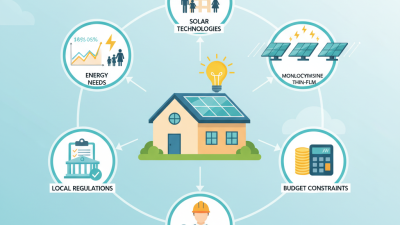
Define your solar goals clearly. You may want lower energy costs, stronger resilience, lower emissions, or better use of available roof space. Check roof age, shading, structural limits, and local grid rules. Storage can support evening operations, but it adds cost and maintenance. The U.S. Energy Information Administration reports that commercial buildings use substantial energy for lighting, cooling, and ventilation. These loads can shift your ideal system size. A mistake is possible. Oversizing may reduce financial value when exports receive limited compensation.
Tips: Compare your 15-minute load profile with estimated PV output. Request production estimates based on local weather data. Include degradation, maintenance, insurance, and replacement costs. Ask an independent engineer to review assumptions. Do not judge the design by panel capacity alone. A smaller system may perform better when it matches daytime demand. Recheck your goals every few years, especially after expansion, new equipment, or changes in working hours.
Choosing the right PV system starts with comparing system types, not just panel prices. Rooftop systems suit businesses with unused roof space and stable daytime demand. Ground-mounted arrays need more land but allow easier maintenance and future expansion. Parking canopies produce electricity while protecting vehicles, although their structures increase project costs.
System size should match your load profile, roof condition, and growth plans. Review hourly electricity bills, seasonal demand, and weekend consumption. Oversizing may waste generation during low-demand periods. Undersizing can leave expensive grid dependence. Battery storage helps shift solar power into evening hours, but its value depends on tariffs and operating schedules. I have seen attractive designs fail because they ignored short winter days.
Technology choices also matter. Monocrystalline silicon usually offers high efficiency in limited space. Thin-film modules can perform steadily in certain heat or low-light conditions, but they may require more area. Bifacial modules can gain extra output from reflective surfaces, yet their benefits depend on installation height and ground conditions. Inverters should match system size, shading patterns, and service access.
Tips: Request a site survey, not a quick estimate. Compare annual yield, degradation, warranties, maintenance access, and safety documentation. Ask how performance will be monitored. Leave room for honest uncertainty; weather, dust, and future energy use can change the result. A small pilot area may reveal practical problems before full installation.
Evaluate the site before comparing equipment. A roof may look spacious, yet shadows from vents can reduce production. Check roof age, structural capacity, drainage, wind exposure, and future maintenance access. Ground-mounted systems need soil testing, fencing, clearances, and stormwater planning. Carports can add shade for vehicles, but their foundations may increase installation costs.
Grid access often decides the project’s schedule. Ask the utility about transformer capacity, interconnection studies, export limits, and demand charges. A system that exports power may need costly network upgrades. A behind-the-meter design can reduce this risk, especially when daytime loads are predictable. Battery storage may improve self-consumption, although its economics depend heavily on tariffs and operating cycles.
Scale the design around measured demand, not optimistic forecasts. IRENA’s Renewable Capacity Statistics 2024 recorded about 346 gigawatts of solar additions in 2023, showing how quickly commercial solar is expanding. Still, broader growth does not guarantee a simple local connection. Installation options should include rooftop, ground mount, carport, and phased deployment. NREL’s PVWatts guidance supports early production estimates, but site surveys remain essential. Estimates can be wrong.
Review at least one year of interval electricity data. Compare seasonal loads with solar output. Include permits, inspections, access roads, replacement planning, and worker safety. An experienced engineer should verify assumptions before procurement, because the cheapest design on paper may create the longest operational headache.
How to Choose the Right PV System for Your Business?
Calculate Costs, Savings, Incentives, and Expected Payback
Choosing a PV system for a business starts with numbers, not panel size. Review twelve months of electricity bills and record monthly demand charges. Then map daytime loads, seasonal production, roof condition, and available space. A warehouse running refrigeration at noon needs a different design from an office closing at six. Ask an installer for a production estimate based on local weather data. Request the assumptions in writing.
Calculate total cost using equipment, design, permits, installation, monitoring, maintenance, and financing fees. Do not hide replacement reserves. Estimate annual savings from avoided energy purchases and demand charges. Subtract expected degradation and add realistic downtime. Incentives can change the result, but eligibility varies by location, tax status, and project structure. Confirm current programs with official agencies and a qualified tax professional. Some incentives arrive later. Cash flow matters.
Use simple payback as a screening tool: net project cost divided by first-year savings. For example, a $180,000 system saving $27,000 yearly shows a 6.7-year payback. That figure is not a promise. My early estimates often looked too optimistic because consumption changed after installation. Compare payback with internal return targets, loan payments, battery value, and roof replacement timing. Test low-production and high-price scenarios before approving the proposal. A credible plan shows assumptions, ranges, and who carries each risk.
Illustrative commercial rooftop PV scenarios for a U.S. business using the same planning assumptions. Actual results depend on location, roof conditions, electricity tariffs, tax eligibility, financing, and available local incentives.
| Business Profile | Recommended PV Size | Estimated Roof Area | Estimated Annual Energy Production | Gross Installed Cost | Assumed 30% Tax Credit | Estimated Net Cost After Credit | Annual Electricity Bill Savings | Annual Operation & Maintenance Cost | Estimated Net Annual Benefit | Simple Payback | Best Fit |
|---|---|---|---|---|---|---|---|---|---|---|---|
| Small commercial facility | 25 kW DC | Approx. 1,390 sq. ft. | 32,500 kWh | $50,000 | $15,000 | $35,000 | $4,550/year | $750/year | $3,800/year | 9.2 years | Retail shops, offices, small workshops, and low-to-moderate daytime loads. |
| Medium commercial facility | 50 kW DC | Approx. 2,780 sq. ft. | 65,000 kWh | $100,000 | $30,000 | $70,000 | $9,100/year | $1,500/year | $7,600/year | 9.2 years | Restaurants, clinics, warehouses, and offices with consistent daytime consumption. |
| Large commercial facility | 100 kW DC | Approx. 5,560 sq. ft. | 130,000 kWh | $200,000 | $60,000 | $140,000 | $18,200/year | $3,000/year | $15,200/year | 9.2 years | Manufacturing sites, supermarkets, schools, and larger offices with high annual usage. |
| Multi-building or high-load facility | 250 kW DC | Approx. 13,890 sq. ft. | 325,000 kWh | $500,000 | $150,000 | $350,000 | $45,500/year | $7,500/year | $38,000/year | 9.2 years | Distribution centers, industrial facilities, campuses, and businesses with substantial daytime demand. |
Choosing a PV system for a business starts with the people who will install and manage it. A low quote can hide weak design work. Request licenses, insurance records, project references, and documented safety procedures. Ask the installer to inspect your roof, electrical equipment, shading, and local grid requirements. A serious assessment should include hourly energy use, not only an annual electricity bill. Small details matter here. One overlooked rooftop obstruction can reduce production for years.
Discuss system management before signing the contract. The plan should identify monitoring duties, inspection intervals, fault response times, and spare-part availability. Request clear performance expectations and written warranty responsibilities. Confirm who will review monitoring alerts after weekends, storms, or unusual production drops. An accessible dashboard is useful, but it cannot replace physical inspections. Dust, loose connections, water entry, and corrosion may remain invisible online.
Long-term costs deserve careful attention. Budget for cleaning, testing, software access, insurance, and eventual inverter replacement. Ask how maintenance records will be stored and transferred if the installer changes staff. A five-year forecast may look precise, but energy prices, weather, and operating schedules can shift. Treat projections as planning tools, not promises. I would also leave room for revision, because real buildings rarely behave exactly like the original design. A reliable installer will explain these uncertainties without hiding behind technical language.
A practical commercial PV evaluation should balance system design with long-term service capability. This planning model gives the greatest weight to energy and financial design, installer safety and qualifications, and ongoing operation and maintenance. Monitoring, warranty support, and lifecycle cost should also be reviewed before signing a contract.