Why Choose a Solar Kit for Your Home or Business?
A Solar Kit can turn an unused roof, garage, or sunny patch of land into a practical source of electricity. The appeal is straightforward: matched components, clearer system planning, and a path toward lower grid use. But a kit is not a magic box. Its value depends on local sunlight, energy habits, installation quality, and whether storage is included.
The market behind this choice is growing quickly. IRENA’s Renewable Capacity Statistics 2024 reports that solar power added 346 gigawatts of global capacity in 2023, out of 473 gigawatts of total renewable additions. That figure shows solar’s momentum, not guaranteed savings for every home or business. A shaded roof or poorly sized inverter can change the result. Small details matter.
IEA Executive Director Fatih Birol has described solar’s rise this way: “Solar PV is the new king of electricity markets around the world.” His comment reflects a broad energy trend, while a buyer still needs to assess the site. Before choosing a Solar Kit, compare expected output with actual bills, check component warranties, and consider battery needs during outages. Ask an experienced installer to review the design. Even then, estimates can miss the mark. That deserves honest attention. A sound decision begins with realistic numbers, not the biggest panel count.
What a Solar Kit Is and How It Works
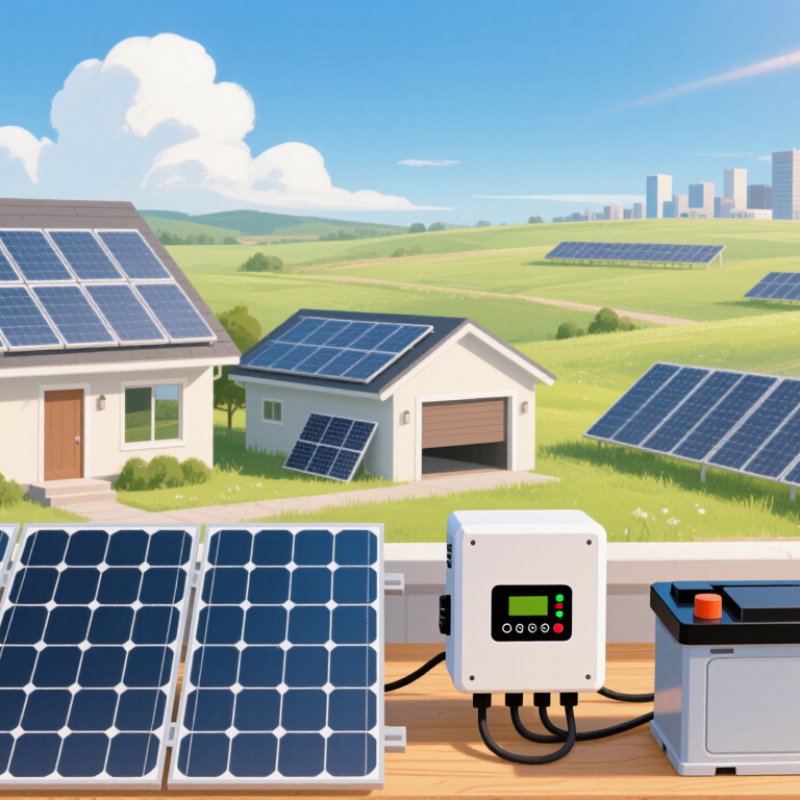
A solar kit is a set of components designed to turn sunlight into usable electricity. Most home or business kits include solar panels, an inverter, mounting hardware, and electrical cables. Some also include a battery for storing extra power. The exact parts depend on the system’s size and purpose.
Here’s how it works. Sunlight strikes the panels, which produce direct-current electricity. An inverter changes that electricity into alternating current, the type used by most lights, refrigerators, and office equipment. If the system has a battery, surplus power can be stored for later use. Without one, extra electricity may flow to the grid, depending on the system setup.
A kit can make planning simpler, but it still needs careful sizing. A small shop with a freezer and bright display lights has different needs from a home with only a few essential appliances. Roof direction, shade from a chimney, and local weather also affect output. Small details matter. Not every kit includes every part, and some systems require professional installation or electrical checks. A realistic estimate of daily use is a better starting point than choosing panels by appearance alone. I’d also leave room for uncertainty: cloudy weeks and changing energy habits can make actual production differ from the estimate.
Why Choose a Solar Kit for Your Home or Business?
A solar kit typically combines solar panels, an inverter, mounting hardware, and electrical components. Panels convert sunlight into DC electricity; the inverter converts it to AC electricity for compatible household or business loads.
Illustrative daily-energy estimates assume 4 peak sun-hours per day and an 80% overall system performance ratio: system size × sunlight hours × performance ratio. Actual production varies with location, season, shading, orientation, and equipment.
Key Components of a Home or Business Solar Kit
A home or business solar kit usually starts with photovoltaic panels, which turn sunlight into direct-current electricity. Their output depends on roof angle, shade, temperature, and available space. A chimney shadow across one panel can affect production more than expected. Check the site before choosing a kit; a listed capacity alone does not show how much energy it will deliver.
The inverter converts panel electricity into a form used by household or commercial equipment. Some kits include a hybrid inverter for battery storage, while others are designed for grid-connected use without batteries. Mounting rails, roof attachments, and weather-resistant wiring hold the system in place. Small parts matter. A poorly matched connector or unsuitable mounting hardware can create delays and safety concerns, so confirm that every component is compatible.
Many kits also include monitoring equipment, disconnects, and electrical protection devices. Monitoring can show daily production and help reveal a sudden drop, though it cannot explain every fault by itself. Batteries are optional, not automatic; they add cost and need proper sizing for the loads and backup time you want. I would not assume a standard kit fits every roof or business schedule. Have a qualified professional assess the wiring, structure, and expected energy use before installation.
Energy, Cost, and Environmental Benefits
Why Choose a Solar Kit for Your Home or Business?
A solar kit can turn sunlight into usable electricity with panels, an inverter, mounting hardware, and, sometimes, battery storage. For a home, that power may run daytime appliances or help charge an electric vehicle. At a small business, it can offset electricity used by refrigerators, computers, or workshop equipment. Small details matter.
A roof’s direction, age, shade, and usable area affect how much a system can produce. A tree’s afternoon shadow can lower output, even on an otherwise sunny roof. Before choosing a kit, compare its expected production with your electricity bills and have the roof and wiring assessed by a qualified professional. Battery storage can keep some power available after sunset, but adds cost and may not suit every household. Estimates are imperfect.
The financial benefit depends on local electricity rates, installation costs, and how much of your solar power you use directly. Ask for a written estimate that explains assumptions, expected output, and maintenance needs; savings are not guaranteed. Solar power can reduce reliance on grid electricity and lower emissions when it replaces power from fossil fuels. Panels also require materials and energy to manufacture, so the environmental benefit is real but not impact-free. A practical kit should fit the site, budget, and daily energy use—not just the advertised capacity.
Why Choose a Solar Kit for Your Home or Business? — Energy, Cost, and Environmental Benefits
| Dimension |
Home Solar Kit
Example: 5 kW |
Business Solar Kit
Example: 20 kW |
What to Consider |
| Typical annual electricity generation |
About 6,000–8,000 kWh |
About 24,000–32,000 kWh |
Illustrative range based on approximately 1,200–1,600 kWh per installed kW annually. Location, roof orientation, shading, weather, and system design affect actual output. |
| Potential annual bill offset |
About $900–$2,400 |
About $3,600–$9,600 |
Illustration uses electricity prices of $0.15–$0.30 per kWh and assumes all solar generation offsets purchased electricity. Actual savings depend on self-consumption, utility rates, fixed charges, and export credits. |
| Potential avoided grid emissions |
About 1.2–5.6 metric tonnes of CO₂ per year |
About 4.8–22.4 metric tonnes of CO₂ per year |
Illustration applies a broad grid-emissions range of 0.2–0.7 kg CO₂ per kWh to estimated generation. The actual emissions benefit varies by electricity grid and time of generation. |
| Energy independence |
Can reduce the amount of electricity purchased from the utility during sunny hours. |
Can lower daytime grid purchases and help manage exposure to changing electricity prices. |
Solar generation varies with daylight and weather. A grid-connected system without suitable storage generally does not provide power during a grid outage. |
| Backup power option |
A compatible battery and inverter can provide backup for selected household loads. |
A suitably designed battery system can support selected critical business loads. |
Backup capability depends on equipment, battery capacity, system configuration, and the loads being supported. Battery storage is typically an additional system component. |
| Cost and payback |
Upfront cost and payback vary with system size, installation, incentives, financing, and electricity use. |
Project economics depend on installation cost, operating schedule, tariffs, incentives, and financing. |
Request a site-specific estimate that includes installation, permits, utility interconnection, maintenance, and applicable local rules. |
| Best suited for |
Homes with usable roof or ground space and electricity use that aligns with solar production. |
Businesses with suitable space and meaningful daytime electricity demand. |
A professional site assessment can check structural suitability, shading, electrical requirements, and expected production. |
Note: Figures are illustrative estimates, not guaranteed results. Actual energy production, financial savings, and emissions reductions depend on local conditions, system design, utility rules, and electricity usage.
How to Assess Your Property’s Solar Needs
Start with the bills. Gather 12 months of electricity use, not just the latest statement. Note the kilowatt-hours used each month and when demand rises. A summer air conditioner or workshop tool can change the system size you need. Small details matter.
Then inspect the property through the day. A roof that looks sunny at noon may be shaded by a chimney in the morning or trees in late afternoon. Record roof direction, usable area, and visible damage. Check whether the structure may need repairs before panels are installed. If the roof is unsuitable, ask whether a ground-mounted setup is practical. Photos taken at different times can help, though they cannot replace an on-site assessment.
Match the kit to your real usage, not an idealized estimate. Compare expected solar production with daytime demand, and decide which appliances must keep running during an outage. Battery capacity matters most when evening use is high or backup power is important. It is easy to overestimate future savings. Seasonal weather, shading, and changing household habits all affect output. Have a qualified installer review the measurements, wiring, and proposed equipment before you buy. A careful assessment may feel less exciting than picking panels, but it can prevent an expensive mismatch.
Factors to Consider When Choosing a Solar Kit
Why Choose a Solar Kit for Your Home or Business?
Factors to Consider When Choosing a Solar Kit
Start with your actual electricity use, not the kit’s headline wattage. The U.S. Energy Information Administration reports that an average U.S. home used 10,791 kWh in 2022. Your bills may tell a different story, especially if heating, cooling, or business equipment runs seasonally. Check twelve months of bills, then compare your daily load with the kit’s estimated output for your location. Small details matter.
Next, assess available roof or ground space, shading, and roof condition. A chimney shadow at 3 p.m. can reduce production more than a brochure suggests. Consider whether the kit includes an inverter, mounting hardware, monitoring, and batteries, or whether these need separate sizing. Battery capacity should match the loads you want to run and the hours of backup you need. A tidy spreadsheet can still miss future changes, like an added freezer or electric vehicle.
Tips: Ask for an output estimate based on your address, roof angle, and shading. Compare warranties and component specifications, and have a qualified installer review electrical compatibility and mounting. If you run a business, map critical loads before choosing storage; keeping every device powered may cost more than expected.