2026 Best Solar Kit for Your Sustainable Energy Needs?
In the quest for sustainable energy, the right Solar Kit is essential. With increasing awareness about renewable sources, many people are turning to solar power. A well-designed Solar Kit can meet various energy needs in homes and businesses alike. It allows users to harness sunlight, reducing electricity bills and carbon footprints.
However, not every Solar Kit is created equal. Choosing the right one can be overwhelming. Factors like efficiency, durability, and installation complexity play a significant role. It’s not just about purchasing a kit; it’s about making an informed decision that aligns with your energy goals.
As we approach 2026, advancements in solar technology continue to emerge. Some kits may promise high performance but fail in real-world conditions. Therefore, careful research and consideration are vital. A reliable Solar Kit should enhance your energy independence while providing lasting value. Embrace this opportunity to contribute to a greener future.
What to Consider When Choosing a Solar Kit for Sustainability
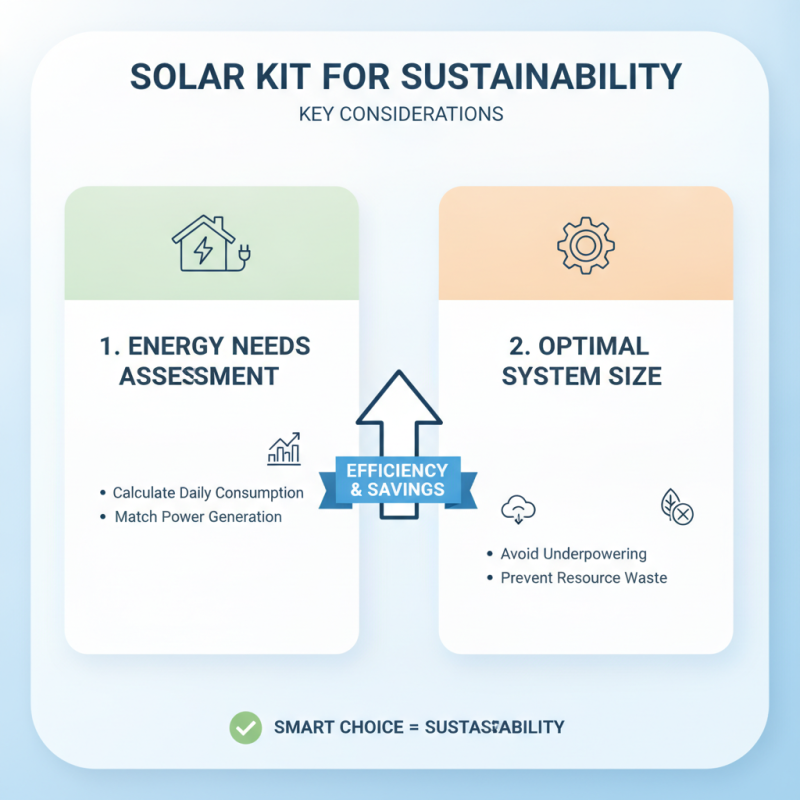
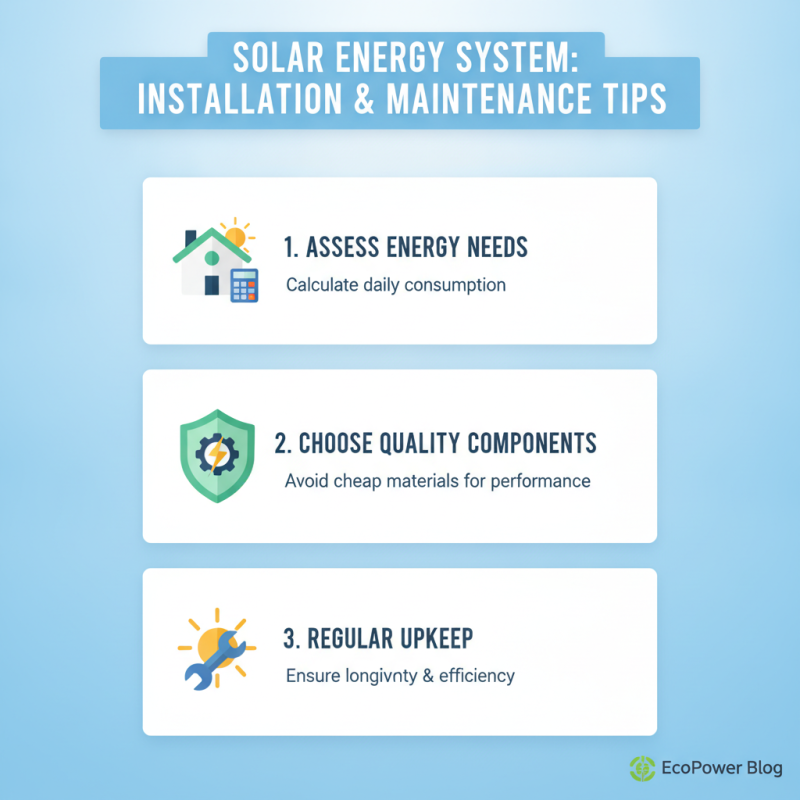
When selecting a solar kit for sustainability, several factors come into play. First, assess your energy needs. Calculate your average daily consumption to choose a kit that generates enough power. Size is critical. A kit too small won't meet your needs, while an oversized system could waste resources.
Consider the components included in the kit. Quality solar panels are essential for efficiency. Look for inverters that convert energy effectively. Battery storage helps store excess energy for late use. Focus on systems with durable materials. Longevity is vital for a sustainable investment.
**Tips:** Check customer reviews and warranties. They offer insights into the product's reliability. Don’t overlook the installation process. A complicated setup can deter your commitment to renewable energy. It’s worth reflecting on your space. Ensure you have enough area for panel installation while considering local regulations. This pragmatic approach will pave the way for a successful solar journey.
Top Features of the Best Solar Kits for Home Use
When considering solar kits for home use, focus on efficiency, ease of installation, and durability. A good solar kit should offer high-efficiency panels. These panels convert sunlight into usable energy effectively. Look for kits that provide at least 300 watts per panel. This ensures you get maximum energy from minimal roof space.
In addition to efficiency, ease of installation is key. Many homeowners prefer kits that come with comprehensive instructions. Clear manuals can make the setup smoother. Some kits even include quick-connect features, which save time and effort. This can be particularly helpful for DIY enthusiasts or first-time users.
Tip: Always check local energy regulations. Installations may require permits, depending on your location. Understanding these laws can prevent delays.
Another feature to consider is durability. Solar kits should withstand harsh weather conditions. Opt for kits with a robust frame and protection against hail damage. Ensure that warranties are at least 25 years. This indicates a manufacturer's confidence in the product's longevity.
Tip: Regular maintenance can extend the life of your solar kit. Simple tasks, like cleaning the panels, can improve efficiency. It’s important to reflect on the installation process and consider potential challenges. Not all homes are equally suited for solar energy, so evaluate your specific situation carefully.
Comparing Costs: Solar Kits vs. Traditional Energy Sources
In today's world, the shift towards renewable energy sources is gaining momentum. Solar kits are becoming popular for homeowners. But how do they stack up against traditional energy sources in terms of costs? Upon analysis, solar kits require an initial investment. However, they often lead to savings in the long run. The reduction in monthly utility bills is significant, especially as energy prices rise.
Traditional energy sources, like fossil fuels, often have hidden costs. These include environmental impacts and market volatility. Solar kits provide a sense of control over energy expenses. Although they may seem expensive upfront, incentives and tax credits lighten the financial burden. It’s worth noting that maintenance costs for solar systems are also relatively low.
However, potential buyers should consider limitations. Not every home is suitable for solar installation. Roof orientation, shading, and local regulations play a crucial role. Additionally, the efficiency of solar kits can fluctuate with weather conditions. It's essential to weigh these factors against the financial benefits. This decision is not just about saving money; it's about choosing a sustainable future.
Understanding Different Types of Solar Kits on the Market
When exploring solar kits, it's essential to understand the available options. Solar kits typically fall into three categories:
off-grid,
grid-tied,
and
hybrid systems.
Off-grid kits are beneficial for remote locations. They allow total independence from the electrical grid, harnessing sunlight to power homes. However, battery storage is crucial for nighttime use, requiring careful consideration of energy needs.
Grid-tied systems connect directly to the utility grid. They are cost-effective and enable users to sell excess energy back to the grid. The downside? Power outages can leave you without electricity. Hybrid systems combine both methods, offering flexibility. They draw from solar panels and the grid, providing a safety net during outages.
Selecting the right kit can be overwhelming. Not all products suit every need. Consider your location, energy use, and budget. Research is vital. Engage with reviews and expert opinions to refine your choices. It's okay to feel uncertain; the right kit can make a significant difference in your energy journey.