Solar Panels For Your Home Tips to Maximize Energy Savings?
Solar Panels For Your Home can significantly reduce your energy bills. As energy costs rise, many homeowners seek sustainable solutions. Installing solar panels is an effective strategy. However, potential pitfalls exist. It's essential to approach this investment with care.
Understanding your energy needs is critical. Analyze your electricity consumption before making a decision. Research local regulations and incentives for solar energy. Missteps in this area can lead to unexpected costs or delays. Also, consider the orientation and shade of your roof. These factors impact the efficiency of solar panels. Choosing the wrong placement can limit your savings.
Working with a reputable installer is vital. Look for professionals with solid experience and positive reviews. They can provide valuable insights and help you avoid common mistakes. Remember, solar panels are a long-term investment. Taking the time to maximize energy savings will pay off in the end.
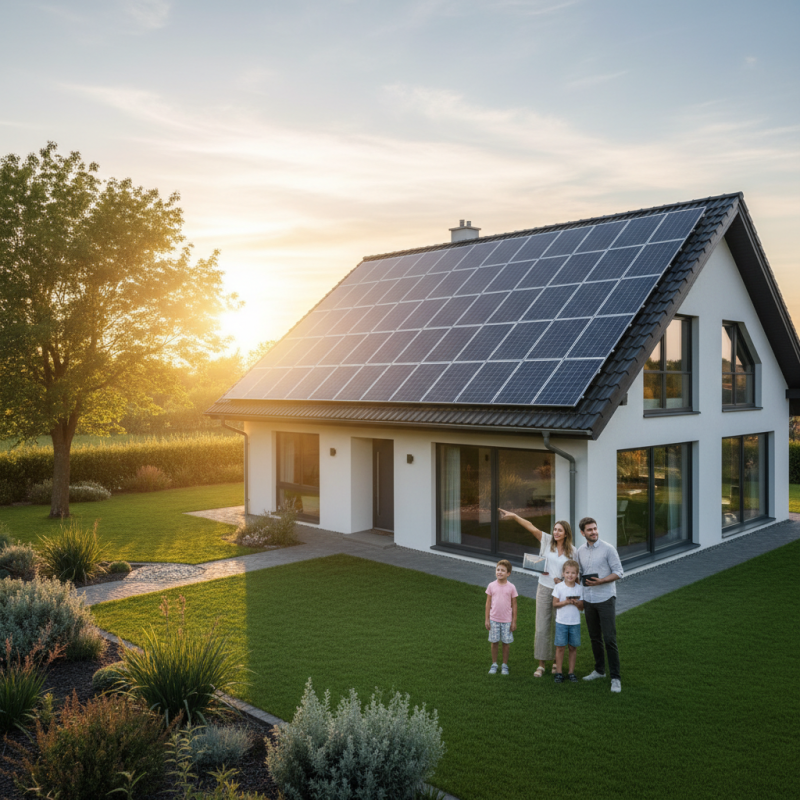
Understanding Solar Panels: How They Work and Their Benefits
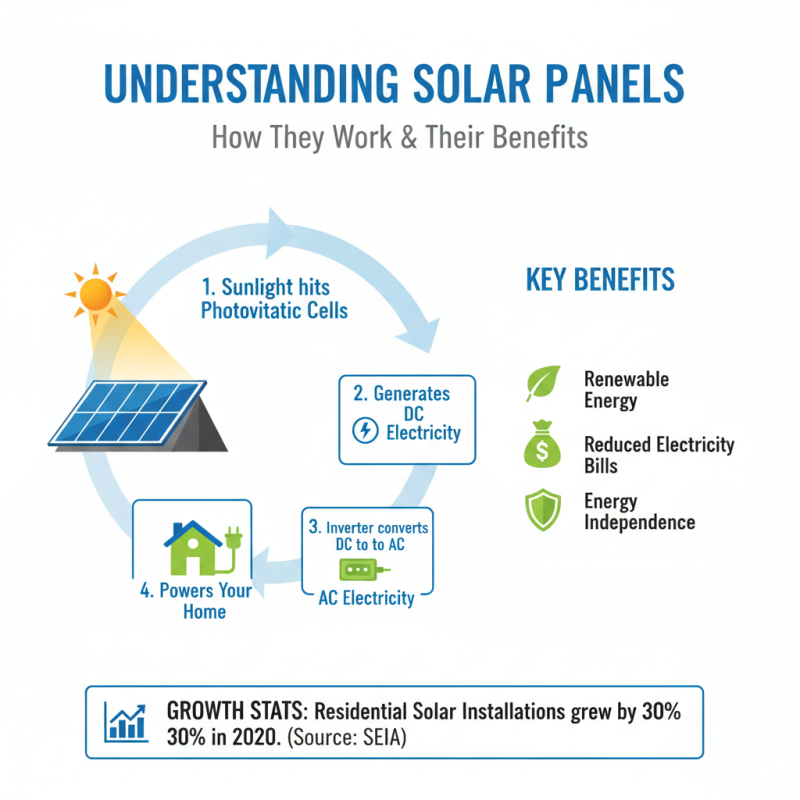
Solar panels are becoming increasingly popular for homeowners seeking energy efficiency. Understanding how they work is crucial. Solar panels convert sunlight into electricity through photovoltaic cells. When sunlight hits these cells, it generates direct current (DC) electricity. An inverter then converts this DC into alternating current (AC), which powers your home. According to the Solar Energy Industries Association, residential solar installations grew by 30% in 2020. This growth reflects the demand for renewable energy.
The benefits of solar panels are substantial. They can reduce electricity bills significantly. A study by the National Renewable Energy Laboratory shows that homeowners can save an average of $10,000 over 20 years. This figure can vary based on location and installation costs. However, many homeowners might not fully utilize their systems. For instance, poorly oriented panels can lead to less energy capture. It’s essential to consider the angle of installation.
In addition to cost savings, solar panels can increase property value. A report by Zillow indicates that homes with solar energy systems sell for about 4.1% more than those without. Yet, some may face challenges in financing or city regulations. These hurdles can affect the decision to install. It’s important to assess local incentives and consult professionals to avoid potential pitfalls. Proper installation and maintenance are also key to maximizing efficiency and energy savings.
Evaluating Your Home's Solar Potential: Factors to Consider
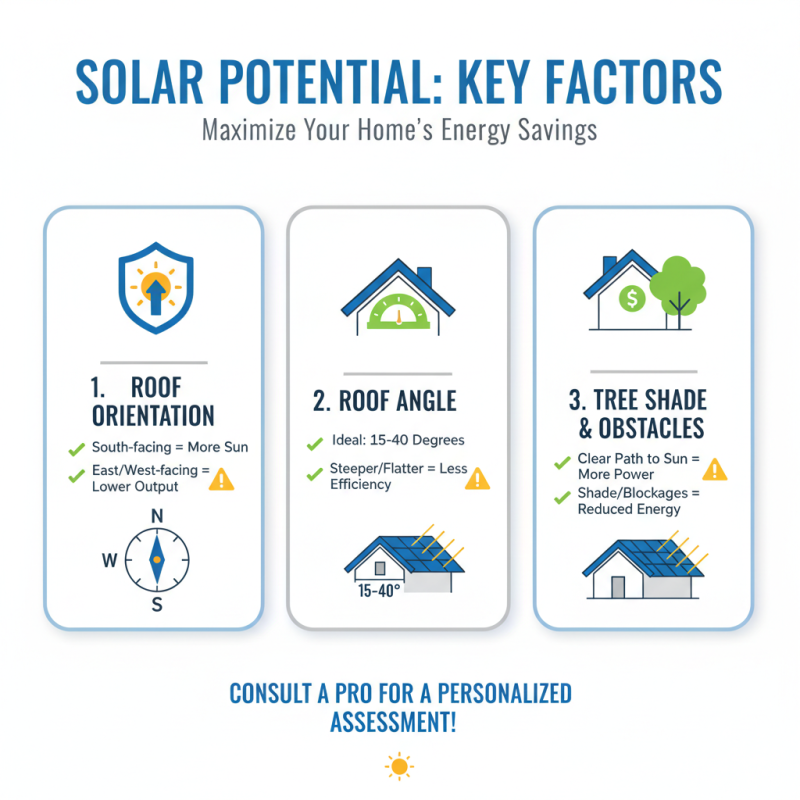
Evaluating your home's solar potential is crucial to maximizing energy savings. Start by assessing the roof's orientation. A south-facing roof typically receives the most sunlight, making it ideal for solar panel placement. If you have an east or west-facing roof, it can still work, but energy production might be lower. The angle of your roof also matters; a pitch between 15 and 40 degrees is ideal for solar efficiency.
Next, consider potential shading issues. Nearby trees, buildings, or other structures can obstruct sunlight. Conduct a shading analysis throughout the year to identify when or where shadows might fall. It's also essential to check the condition of your roof. An aging roof may need repairs or replacement before installation. Long-lasting solar panels will only work effectively on a good quality roof.
Additionally, analyze local solar incentives and regulations. State programs can significantly impact your installation cost and return on investment. Speak with solar energy experts for local insights and a detailed evaluation. This process requires a bit of patience and research but is key to unlocking your home's solar potential for energy savings.
Choosing the Right Solar Panels: Types and Specifications
When it comes to selecting solar panels for your home, understanding the types and specifications is crucial. According to the Solar Energy Industries Association (SEIA), over 10 million homes in the U.S. are powered by solar energy. This switch to solar can significantly cut down energy costs, but the efficiency of your panel choice is key.
Monocrystalline and polycrystalline panels dominate the market. Monocrystalline panels are known for their high efficiency—often exceeding 20%. They perform better in low-light conditions and have a longer lifespan. However, they are usually more expensive. Polycrystalline panels are less efficient, averaging around 15-17%, but they offer a more budget-friendly option. Understanding your energy needs and roof space will help you decide which type suits you best.
Specifications matter too. Pay attention to power output, efficiency ratings, and temperature coefficients. Small variations can lead to significant energy differences over time. For example, a panel's efficiency can drop by as much as 10% in high temperatures. Many homeowners overlook these details while focusing solely on cost. It's essential to weigh both short-term savings and long-term benefits. Investing in the right solar panel means evaluating your specific circumstances carefully.
Solar Panels Energy Output Comparison
Installation Tips: Working with Professionals and DIY Options
When considering solar panel installation, deciding between professionals and DIY options is crucial. Many homeowners worry about costs and expertise. According to the National Renewable Energy Laboratory, professional installations can yield 20% more energy efficiency compared to DIY methods. This is primarily due to their expertise in optimizing panel placement and ensuring proper electrical connections.
Homeowners often overlook the importance of local zoning laws or utility interconnection requirements. A professional installer understands these regulations well, reducing the risk of future complications. They also provide warranties and insurance, which add layers of protection for your investment. In contrast, DIY installations might save initial costs but may lead to hidden expenses from mistakes. A study by the Solar Energy Industries Association indicated that improper installation could reduce system efficiency by up to 30%.
However, DIY installations can be rewarding for those with experience. Careful planning and research enhance success rates. Online resources provide valuable guidelines. Remember, though, that even experienced DIY enthusiasts should remain cautious. Small errors can lead to larger issues down the line. Balancing cost and reliability is essential for a worthwhile solar investment.
Solar Panels For Your Home: Tips to Maximize Energy Savings
| Aspect |
Details |
| Panel Efficiency |
Look for panels with at least 18-22% efficiency for optimal energy generation. |
| Installation Angle |
Install panels at an angle of 30-45 degrees for maximum sunlight exposure. |
| Inverter Type |
Choose between string inverters, microinverters, and power optimizers based on your setup. |
| Professional vs DIY |
Consider hiring professionals for complex installations; DIY can save costs but requires knowledge. |
| Local Incentives |
Research local tax credits or rebates that can reduce initial costs significantly. |
| Maintenance |
Regularly clean panels and inspect for damage to ensure maximum efficiency. |
| Energy Storage |
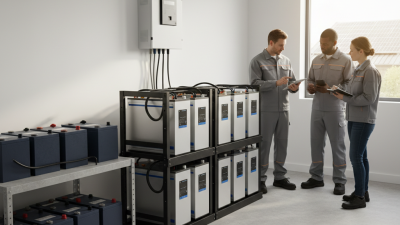
Consider installing battery storage systems to maximize use of generated energy. |
Maximizing Energy Efficiency: Combining Solar with Other Strategies
When considering solar panels for your home, energy efficiency should be your top priority. Combining solar power with other strategies enhances savings significantly. For instance, improving your home’s insulation helps keep heat in during winter. This reduces the need for additional heating systems, complementing your solar energy use.
Energy-efficient appliances also play a crucial role. Replacing older models with Energy Star rated devices cuts down electricity consumption. This allows you to rely more on solar energy, instead of drawing from the grid. Small changes, like sealing drafts or upgrading windows, can lead to substantial savings.
However, not all methods may work for your unique situation. Some homes might benefit from different combinations. You may need to reflect on what areas you truly need to enhance. Balancing solar energy with these strategies can be a learning process, as the specifics can vary significantly from one household to another. Don’t overlook the potential of making minor adjustments that lead to major benefits.