Top 10 Benefits of Solar Electric Energy Systems for Homeowners
As homeowners increasingly seek sustainable energy solutions, Solar Electric systems have gained significant attention. According to the National Renewable Energy Laboratory, over 3 million homes in the U.S. now utilize solar power, reflecting a steady growth trend. Industry expert Dr. Amy Johnson notes, "Embracing Solar Electric technologies can significantly reduce household energy costs while supporting the environment."
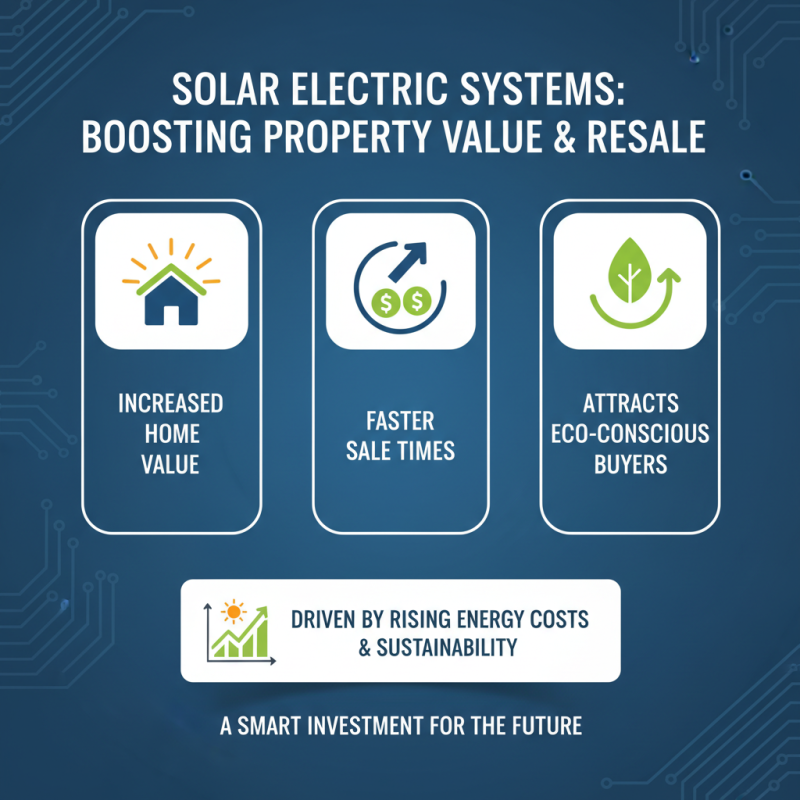
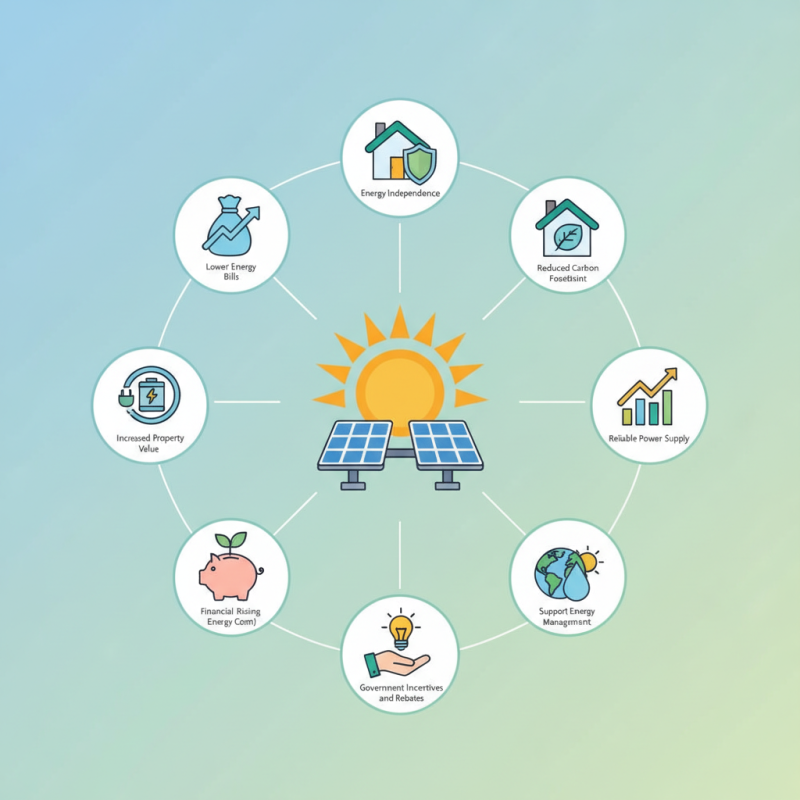
These systems offer numerous benefits that extend beyond mere savings. Homeowners can enjoy energy independence, reduce their carbon footprint, and increase property value. However, some still question the initial investment and the long-term financial payoff. Evaluating these factors is crucial as consumers navigate their energy choices.
With the transition to renewable energy at the forefront of discussions, the advantages of Solar Electric systems deserve attention. They present a chance to influence personal finance positively while contributing to a more sustainable future. This exploration into the top ten benefits will highlight why Solar Electric is essential for modern homeowners.
Advantages of Solar Energy in Reducing Home Electricity Bills
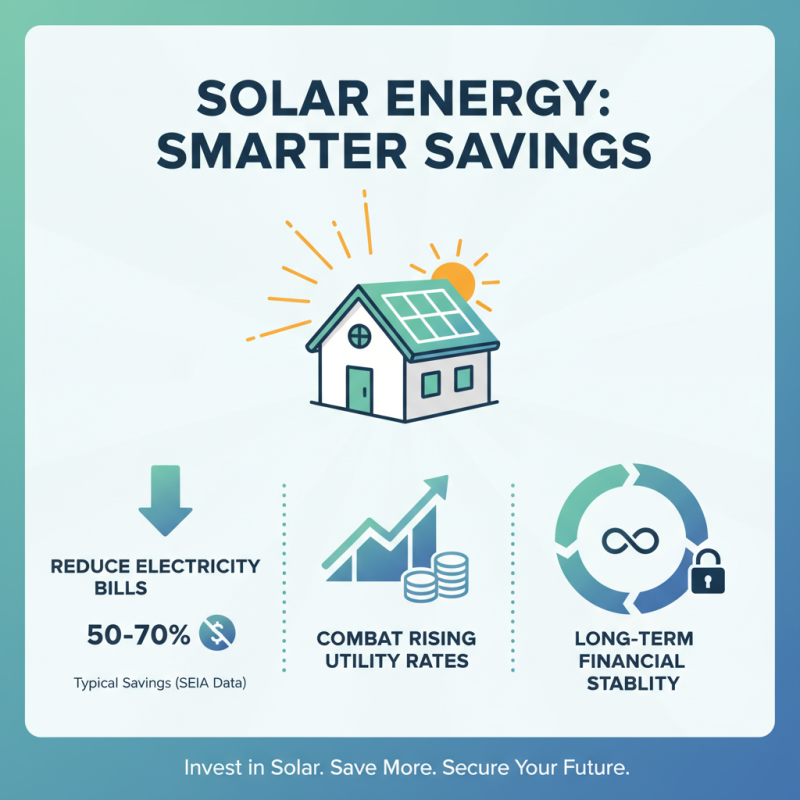
Homeowners are increasingly turning to solar electric energy systems. This shift is largely driven by the significant savings on electricity bills. According to the Solar Energy Industries Association (SEIA), a typical solar panel system can reduce electricity costs by 50% to 70%. This reduction is particularly beneficial as utility rates continue to rise annually, leading to long-term financial stability.
In areas with abundant sunlight, homeowners can benefit even more. Installing solar panels can lead to a return on investment (ROI) of 20% to 30% over 20 years, according to various studies. This means that the initial costs of installation are often recouped through savings in utility bills. The average cost of electricity in the U.S. is approximately 13 cents per kilowatt-hour (kWh), but solar energy systems can generate electricity for as low as 5 cents per kWh.
However, some challenges remain. Not all homes are ideally suited for solar panels due to shading or roof orientation. Additionally, upfront installation costs can be daunting for some. It's crucial for homeowners to assess their individual circumstances. Awareness of local incentives and rebates can also play a significant role in making solar energy more accessible and affordable.
Environmental Benefits: How Solar Energy Contributes to Reduced Carbon Footprint
Solar energy is increasingly recognized for its environmental benefits. One of the most significant impacts is the reduction of carbon footprints associated with traditional energy sources. According to the U.S. Environmental Protection Agency (EPA), burning fossil fuels for electricity and heat is responsible for over 70% of greenhouse gas emissions in the country. By switching to solar electric energy systems, homeowners can significantly lower their personal carbon emissions.
A study by the National Renewable Energy Laboratory (NREL) indicates that each kilowatt-hour generated by solar panels reduces CO2 emissions by around 0.85 pounds. For an average American home, producing about 9,000 kilowatt-hours annually means reducing carbon emissions by approximately 3,800 pounds each year. This substantial decrease contributes to cleaner air and a healthier environment.
However, transitioning to solar energy is not without challenges. The installation process can be complex and may require a significant upfront investment. Additionally, the efficiency of solar systems can vary based on geographic location and weather conditions. Homeowners must consider these factors when evaluating solar energy for their homes. Despite these hurdles, the long-term environmental benefits make solar energy a worthwhile consideration.
Top 10 Benefits of Solar Electric Energy Systems for Homeowners
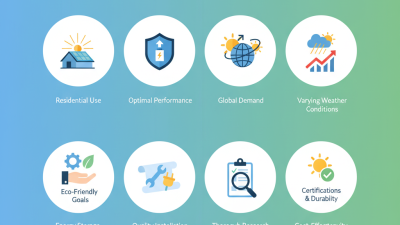
Solar electric energy systems provide numerous advantages for homeowners. This chart illustrates the top benefits, showing how each is valued on a scale of 1 to 10. The enhanced environmental benefits significantly contribute to a reduced carbon footprint and promote sustainable living.
Government Incentives and Tax Credits for Home Solar Energy Systems
Government incentives and tax credits can make solar energy systems much more affordable for homeowners. Many states offer rebates for solar panel installation. These programs can significantly reduce the upfront costs, encouraging more people to invest in renewable energy. The federal tax credit also allows homeowners to deduct a percentage of their solar installation costs from their taxes, providing immediate financial relief.
In addition to tax credits, there are grants and low-interest loans available. These financial aids help spread the cost over time. However, navigating these incentives can be complex. Homeowners should research local programs thoroughly. Each state has different requirements and benefits, leading to potential confusion. While the initial savings can be substantial, some may find the application process daunting and time-consuming. Understanding the specifics is crucial for maximizing benefits.
Long-term Savings: Analyzing Maintenance Costs vs. Traditional Energy Sources
Switching to solar electric energy systems can lead to significant long-term savings for homeowners. One key factor is the maintenance cost. Solar systems generally require less upkeep than traditional energy sources. Once installed, their maintenance is minimal. Homeowners enjoy reduced energy bills and fewer unexpected expenses.
However, the initial investment can be daunting. It's essential to consider the long-term view. The lower maintenance costs of solar energy compared to fossil fuels or grid electricity can lead to substantial savings over time. In many cases, federal incentives can help offset installation costs. Always investigate local policies as they vary widely.
Tip: Regularly inspect your solar panels to ensure they function efficiently. Dust and debris can impact their performance. You can clean them yourself or hire a professional service.
Another aspect to think about is the potential for self-sufficiency. Solar energy systems can protect homeowners from rising utility costs. It is a reliable source of energy that diminishes dependence on external suppliers. Yet, scaling back reliance on traditional energy can involve a learning curve.
Tip: Monitor your energy production through smart technology. Understanding your energy usage helps optimize solar benefits. It allows for adjustments to maximize savings.