MH Energy Your Better Solar and Energy Partner

For 2026, choosing Solar Panels For Home means looking beyond the biggest efficiency number on a product sheet. A high-output panel may suit a small roof, while a lower-cost model could make more sense where space is generous. Your roof’s shade, angle, and usable area matter. So do warranty terms, temperature performance, and compatibility with the inverter. Details matter.
Fatih Birol, executive director of the International Energy Agency, called solar “the new king of electricity.” The phrase captures solar’s growing role, but it does not make every panel a good fit for every home. A panel’s real value depends on how it performs on your roof and what the complete system costs. Sometimes the less glamorous specification deserves more attention.
This guide compares ten home-solar options for 2026, including efficiency, warranty coverage, expected durability, and practical installation considerations. It also points out where published ratings can be hard to compare, especially when test conditions or product versions differ. We cannot know your roof from a product page, and that limitation matters. Use the list as a starting point, then check current quotes and specifications for your location. The best choice is not always the panel with the highest rating. It is the one that fits your roof, budget, and energy needs without relying on promises that are difficult to verify.
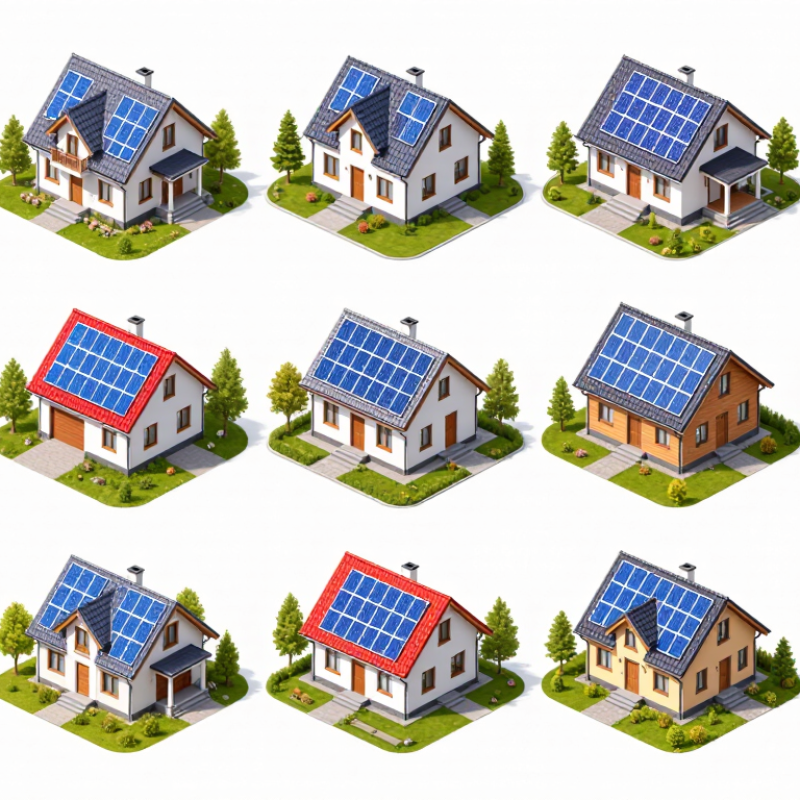
In 2026, a home solar system still follows a simple chain: panels capture sunlight and produce direct-current electricity. An inverter converts it into alternating current for household appliances. Extra power may charge a battery or flow to the grid, depending on the system. Clouds matter. So does shade from a chimney at 3 p.m.
Useful watts first. NREL’s 2012 review of field studies found a median solar-module degradation rate of about 0.5% per year. That is a population-level estimate, not a promise for every roof. Heat, dust, wiring faults, and poor ventilation can change real-world output. A spotless product sheet cannot show a neighbor’s tree shadow.
IRENA’s Renewable Power Generation Costs in 2023 reported a global average cost of $0.044 per kilowatt-hour for newly commissioned utility-scale solar. That benchmark is not a household quote; rooftop installation, financing, and local electricity prices differ. Compare estimated annual production, inverter warranties, and usable roof area—not panel efficiency alone. Ask how the estimate handles winter sun and partial shade. The answer may be less tidy than the sales graphic.
A technology-level comparison for homeowners considering solar in 2026—not a ranking of specific panels.
Bars show approximate commercial module-efficiency ranges: the share of sunlight converted into electricity under standardized test conditions. Actual products vary, and efficiency alone does not determine a home's annual energy production; roof space, orientation, shading, and local sunlight also matter.
Residential solar panels should be judged by how they perform on your roof, not by a headline efficiency figure. Compare rated output with panel dimensions. A compact roof may benefit from higher watts per square metre; open roof space may not. Check the temperature coefficient, which indicates how much output falls as panels heat up on a sunny afternoon. Review expected annual degradation and the length and terms of product and performance warranties. Read the exclusions. A warranty is useful only when its coverage, claim process, and responsible party are clear. Ask for independent test documentation and applicable safety certifications, then confirm the exact model number. Shade from chimneys, trees, or nearby buildings can affect output more than a small efficiency difference.
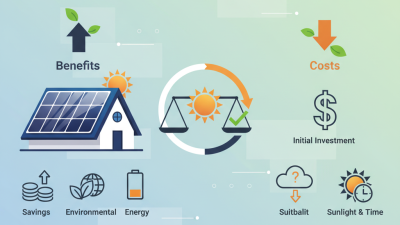
Fit matters too. Measure usable roof area and consider orientation, slope, ventilation gaps, and local weather. Ask a qualified installer to model monthly production using site-specific shade data, not a generic estimate. Compare total installed cost with expected usable energy, including inverter losses, maintenance, and likely replacements. Look closely. A low price can conceal lower output, awkward dimensions, or warranty terms that exclude common failures. A premium specification may add little value if the roof is shaded or space is plentiful. Request assumptions in writing, including utility rates, system losses, and degradation estimates. Treat these figures as estimates, not promises. I would question any quote with one precise payback date but no explanation of its inputs; weather and household use rarely behave so neatly.
The Top 10 Solar Panels for Home Use in 2026 should be judged by how well they fit a real roof, not by headline wattage alone. This guide focuses on ten useful comparison points: conversion efficiency, output per square metre, temperature performance, low-light production, partial-shade behavior, long-term degradation, product warranty, dimensions, appearance, and independently verified test data. High-efficiency monocrystalline panels can suit limited roof space, while standard-sized panels may offer better value on larger roofs. Newer cell designs can improve output, but results depend on installation and local conditions. This is a practical shortlist, not a laboratory ranking.
Tips: Ask for an itemized quote showing panel model, rated output, system design, and expected annual production. Check whether nearby trees or a chimney shade the roof during peak sunlight. Compare warranty terms carefully; coverage details matter more than a bold number on a brochure. If possible, review measured performance from a similar local installation.
A panel that performs well in one climate may not be the right choice elsewhere. Hot summers, dusty air, roof orientation, and limited space can all change the decision. I would not choose from efficiency figures alone; they are easy to compare, but they do not tell the whole story. A small roof sketch and a realistic shading assessment can reveal more.
| Rank | Panel Type | Cell Technology | Typical Power per Module | Typical Module Efficiency | Temperature Coefficient | Typical Power Degradation | Common Use Case |
|---|---|---|---|---|---|---|---|
| 1 | High-efficiency back-contact panel | Back-contact crystalline silicon | 420–470 W | 22.0–24.0% | About −0.26 to −0.30%/°C | Often about 1% in year one, then 0.25–0.40% per year | Roofs with limited space where high output per panel is valuable |
| 2 | Premium heterojunction panel | Heterojunction (HJT) | 400–460 W | 21.0–23.5% | About −0.24 to −0.27%/°C | Often about 1% in year one, then 0.25–0.40% per year | Hot climates and installations prioritizing low temperature-related losses |
| 3 | High-output n-type panel | N-type TOPCon | 410–470 W | 21.0–23.5% | About −0.29 to −0.32%/°C | Often about 1% in year one, then 0.35–0.45% per year | General-purpose home rooftops seeking a balance of output and cost |
| 4 | Glass-glass bifacial panel | Usually n-type TOPCon or HJT | 410–470 W | About 20.5–23.5% on the front side | About −0.24 to −0.32%/°C, depending on cell type | Model-dependent; commonly around 0.25–0.45% per year after year one | Raised or ground-mounted systems with reflective surfaces behind the panel |
| 5 | All-black n-type panel | N-type TOPCon or back-contact | 390–450 W | 20.5–23.5% | About −0.26 to −0.32%/°C | Often about 1% in year one, then 0.30–0.45% per year | Visible roof areas where a uniform dark appearance is preferred |
| 6 | Shingled-cell panel | Overlapping strips of crystalline silicon cells | 400–450 W | 20.0–22.5% | Typically about −0.29 to −0.35%/°C | Product-dependent; commonly around 0.35–0.50% per year after year one | Residential roofs where cell layout and appearance are important |
| 7 | Conventional monocrystalline panel | P-type PERC | 390–440 W | 19.0–21.5% | Typically about −0.34 to −0.36%/°C | Often about 2% in year one, then roughly 0.45–0.55% per year | Budget-conscious installations where roof space is not especially limited |
| 8 | Compact-format high-efficiency panel | Monocrystalline; often n-type | 300–400 W | About 20.5–23.5% | Typically about −0.26 to −0.35%/°C | Technology- and model-dependent; commonly around 0.30–0.50% per year after year one | Small or irregular roof sections where module dimensions matter |
| 9 | Lightweight framed panel | Crystalline silicon in a reduced-weight construction | 250–400 W | About 18.0–22.0% | Typically about −0.30 to −0.36%/°C | Varies widely; check the specific product’s power warranty | Structures with lower roof-load capacity, subject to engineering approval |
| 10 | Flexible thin-film panel | Thin-film photovoltaic technology | 50–250 W | About 10.0–19.0% | Technology-dependent; check the product datasheet | Highly product-dependent; warranties are often shorter than rigid panels | Curved surfaces, small auxiliary systems, or applications unsuitable for rigid modules |
Compare efficiency, installed cost, warranty terms, and expected output—not just headline wattage. Fraunhofer ISE’s 2024 Photovoltaics Report places many commercial crystalline-silicon modules around 20–23% efficiency. Higher efficiency can help when roof space is tight, but it does not guarantee more annual energy. Shade, roof direction, local weather, and inverter design all affect production.
Price needs equal care. EnergySage’s 2024 Solar & Storage Marketplace Report put the average quoted US system price near $2.80 per watt in 2023; local quotes can differ. Check what each quote includes, such as permits, electrical work, and monitoring. For long-term output, Jordan and Kurtz’s review in Progress in Photovoltaics reported a median degradation rate near 0.5% per year. Compare that evidence with each panel’s performance warranty, including its promised output in year 25. Rankings can mislead. A small efficiency gain may not justify a large price premium on a spacious, sunny roof.
Tips: Request quotes using the same system size and assumptions. Ask for a shade assessment and annual production estimate. Read whether the warranty covers only panel output or also labor; details can be easy to miss. Even careful estimates cannot capture every roof’s quirks.
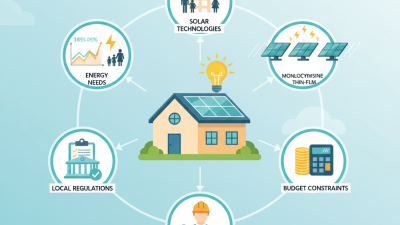
A home solar system should fit the roof and household, not just look impressive on paper. Check the roof’s age, usable area, and afternoon shade before comparing panel ratings. A tree shadow crossing one corner can reduce output more than expected. Ask for an estimate based on local sunlight and your past electricity use, and compare expected yearly production with your actual bills. Efficiency matters, but it is not the only measure. Review the panel’s power warranty, expected output decline, and the inverter’s replacement terms. Get these details in writing. It is easy to focus on the lowest quote; I would also compare equipment, installation scope, and who handles service if something stops working. Small print matters.
Maintenance is usually modest, but it should not be ignored. Check the system’s monitoring app or display each month for sudden drops or error messages. After a storm, look from the ground for loose parts, debris, or visible damage. Do not climb onto a roof or touch wiring to investigate. Leave electrical faults and roof work to qualified technicians. Dust and pollen may wash away with rain, though persistent grime can reduce production. Follow the system maker’s cleaning guidance, and avoid abrasive tools or high-pressure spray. Keep a simple record of production and service visits. One imperfect month is not proof of failure; compare several months and consider weather before requesting an inspection.