What is Solar Power For Your Home Benefits and Costs?
In recent years, the concept of "Solar Power For Your Home" has gained significant attention. Homeowners seek sustainable solutions. Solar power presents a promising option to meet energy needs. Many are excited by the potential savings it can bring.
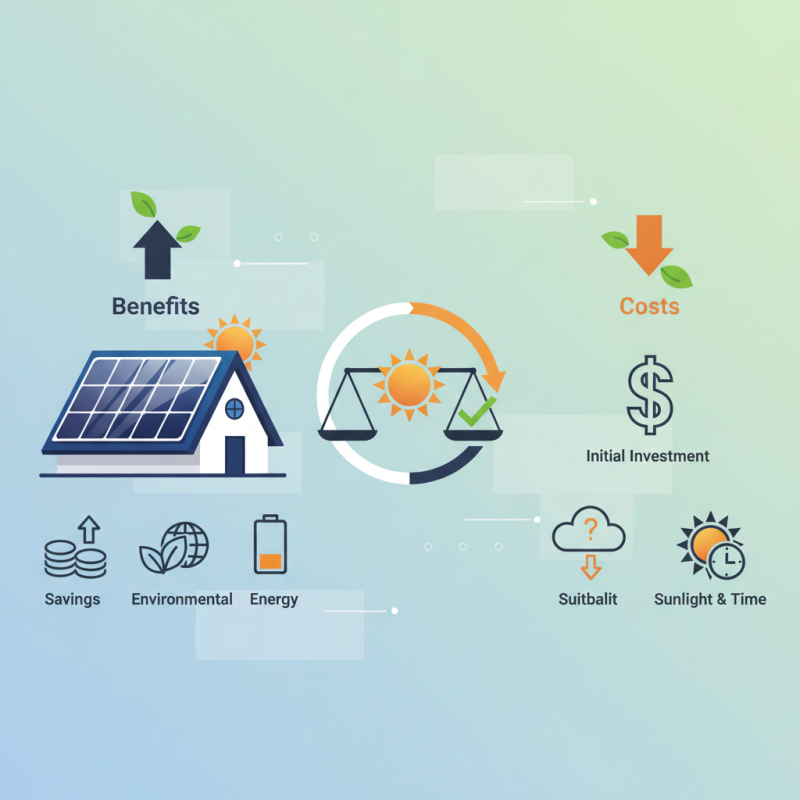
However, transitioning to solar energy is not without its challenges. Initial costs can be daunting for some families. Additionally, not every home is ideally suited for solar installations. Factors such as roof angle and sunlight exposure are crucial. Still, the benefits can outweigh these hurdles, offering long-term savings and environmental advantages.
This article explores the advantages and costs of solar power for residential use. Through careful analysis, we aim to empower homeowners with reliable information. Understanding the intricacies of solar energy can pave the way for informed decisions. With growing interest, it is essential to weigh both benefits and challenges accurately.
What is Solar Power? An Overview for Homeowners
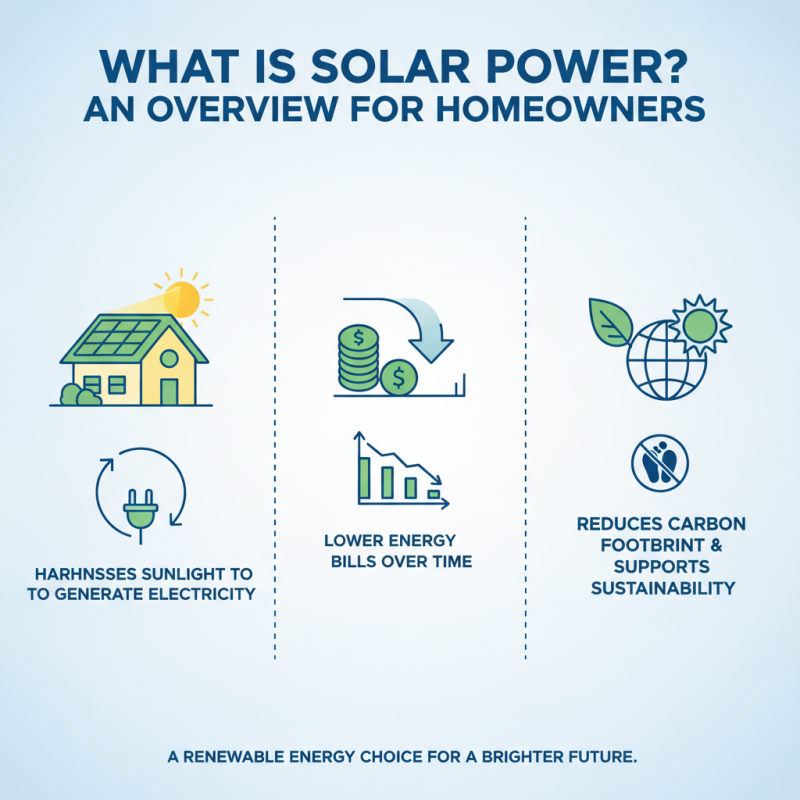
Solar power is an increasingly popular choice for homeowners. This renewable energy source harnesses sunlight to generate electricity. It can significantly lower your energy bills over time. Many homeowners are drawn to its environmental benefits. Using solar reduces the carbon footprint and supports sustainability.
Installing solar panels involves initial costs, but financial incentives can help. Tax credits or rebates might be available. However, not all homes are suitable for solar energy. Some areas receive more sunlight than others. Roof orientation and shading also play a critical role. It’s wise to consult with professionals for an accurate assessment.
Despite its advantages, there are challenges. The upfront investment can be daunting. Performance can vary based on weather and location. Maintenance is necessary, though often minimal. Some systems may not operate as efficiently over time. Homeowners should consider these factors carefully.
Benefits of Solar Power for Residential Use
Harnessing solar power for residential use has become an attractive option for many homeowners. According to the U.S. Department of Energy, residential solar installations have increased by over 60% in the past five years. This growth reflects rising energy costs and a desire for sustainability. Homeowners can reduce their electricity bills significantly. On average, solar energy systems save homeowners about $10,000 over 20 years.
Beyond financial savings, solar power offers environmental benefits. It reduces reliance on fossil fuels, which contribute to climate change. The National Renewable Energy Laboratory states that solar energy systems can prevent 4.4 metric tons of carbon dioxide emissions annually. This is comparable to planting over 100 trees each year. However, installation costs may still be a barrier for some. While prices have fallen, the initial investment remains a consideration.
Local incentives can help offset these costs. Many states offer tax credits and rebates for solar installations. For example, the federal solar tax credit can provide up to 26% off the system price. Yet, homeowners should conduct thorough research. Understanding energy needs and local regulations can make a significant difference. Solar power is an investment with long-term rewards, but it requires careful planning and reflection.
Understanding the Costs of Installing Solar Panels
Understanding the costs of installing solar panels is crucial for homeowners. The average cost for residential solar panel installation in the U.S. ranges from $15,000 to $25,000. This varies based on location and panel quality. Usually, you can expect to pay around $3.00 to $5.00 per watt for solar panels. Installation costs can add another $1.50 per watt.
Homeowners can also benefit from tax credits. The federal solar tax credit allows you to deduct 26% of your solar installation costs from your federal taxes. However, many states have their own incentives. Some local governments offer rebates, making solar installation more affordable. Research shows that combining these incentives can significantly lower upfront costs.
Despite the benefits, there are challenges. Not all homes are suitable for solar energy. Factors include roof orientation, shading, and local regulations. Homeowners may face unexpected costs like roof repairs before installation. It’s essential to perform thorough research and consult with professionals to assess viability. Understanding these costs helps homeowners make informed decisions about solar investment.
Understanding the Benefits and Costs of Solar Power for Your Home
This chart compares the estimated annual savings from solar power installation against the initial costs over a 5-year period.
Evaluating Long-Term Savings and ROI from Solar Energy
Investing in solar power for your home can significantly boost long-term savings. According to the U.S. Department of Energy, homeowners can save an average of $20,000 over 20 years. This depends on local electricity rates and solar incentives. By generating your own power, you reduce dependence on the grid and shield yourself from rising energy costs.
However, the initial costs of solar installation can be daunting. A typical residential system ranges from $15,000 to $30,000 before tax credits. While federal tax incentives provide relief, it's essential to account for changes over time. Market conditions may affect future savings and ROI can vary based on your home's location. Local policies and regulations can also influence the attractiveness of solar energy.
It's not always straightforward. Maintenance and potential issues with the system can arise, impacting savings. Some homeowners report unexpected costs. Understanding your energy consumption and evaluating your long-term plans are crucial. Solar energy can be a powerful answer, but success often hinges on careful planning and awareness of the landscape.
What is Solar Power For Your Home Benefits and Costs? - Evaluating Long-Term Savings and ROI from Solar Energy
| Dimension |
Details |
| Initial Investment |
$15,000 - $30,000 (depending on size and type) |
| Average Annual Savings |
$1,000 - $2,500 |
| Payback Period |
5 - 10 years |
| Return on Investment (ROI) |
20% - 30% over 20 years |
| Increase in Home Value |
$15,000 - $25,000 |
| Environmental Benefit |
Reduces carbon footprint, generates clean energy |
| Government Incentives |
Federal tax credit up to 26% |
Common Myths and Misconceptions About Home Solar Power
Many homeowners hesitate to invest in solar power due to common myths and misconceptions.
One prevalent myth is that solar panels are only effective in sunny regions.
In fact, solar technology can generate power even on cloudy days.
The efficiency of solar panels has improved significantly over the years, making them a viable option in various climates.
Another misconception is that solar power systems require a lot of maintenance.
In reality, solar panels are quite durable and need minimal upkeep.
Regular cleaning and occasional inspections are usually sufficient.
Many people worry about the upfront costs.
While the initial investment can seem high, numerous financing options and incentives are available.
These can make solar more affordable, and long-term savings on utility bills can offset installation costs.
Some also believe solar energy systems are complicated.
The truth is that modern solar solutions come with user-friendly monitoring systems.
These allow homeowners to track energy production with ease.
Many people are unaware of these advancements.
Understanding these realities can help demystify solar power and encourage more homeowners to consider its benefits.