How to Choose the Best Solar Electric System for Your Home?
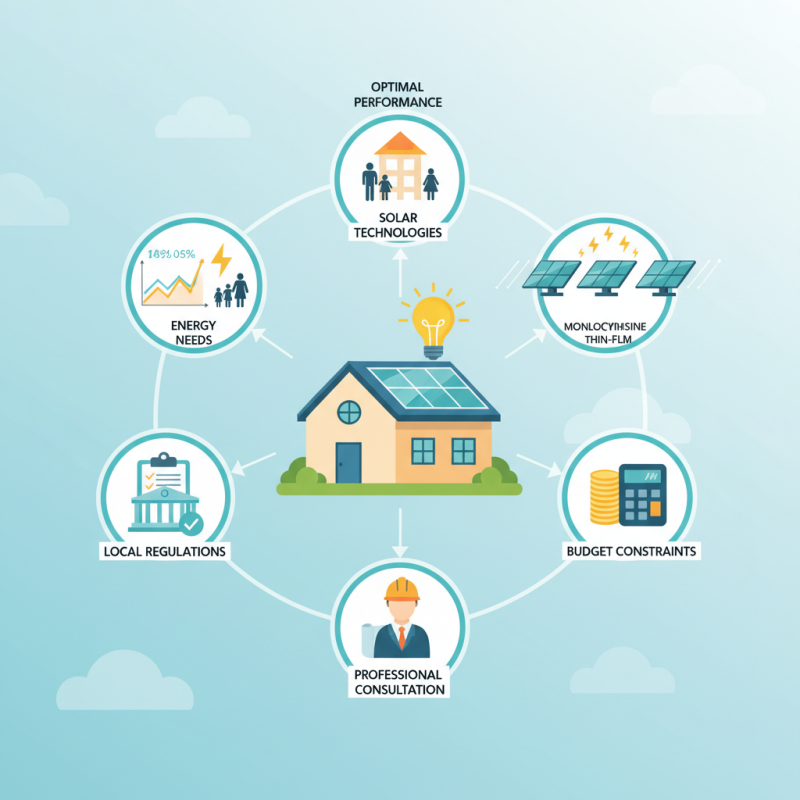
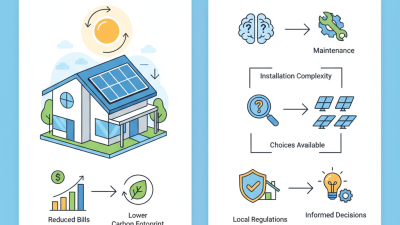
Choosing the right solar electric system for your home can be challenging. Many homeowners face confusion about available options. With various solar technologies and configurations, making an informed choice is essential for optimal performance.
A solar electric system transforms sunlight into energy, leading to reduced utility bills. However, understanding your energy needs is crucial. Residential needs vary, from single households to larger families. Each scenario demands careful consideration.
Consulting professionals is highly recommended. Their expertise can guide you in evaluating your consumption patterns. Additionally, local regulations may influence system installation. Budget constraints also play a significant role in decision-making. Remember, investing in a solar electric system requires careful thought. Reflect on these factors to ensure you choose wisely for your home.
Understanding Your Home's Energy Needs
Understanding your home's energy needs is crucial when selecting a solar electric system. Start by assessing your historical energy consumption. The U.S. Energy Information Administration reports that the average American home uses about 877 kWh per month. This figure varies based on size, location, and lifestyle. You should examine past utility bills to identify your patterns.
Next, consider peak usage times. During hot summer days, air conditioning demands surge, reaching up to 7 kWh per hour in large homes. Knowing when you use the most energy helps in designing an efficient solar system. Monitor appliances that consume excess energy. For instance, older refrigerators can account for 15-20% of household energy use.
Lastly, think about future changes. Will you add electric vehicles or increase home size? A system that meets current needs might fall short later. The National Renewable Energy Laboratory emphasizes customizing solar systems based on individual consumption profiles. Balancing present needs with future growth ensures your solar investment remains effective over time.
Energy Consumption Comparison by Appliance
Types of Solar Electric Systems Available
When considering solar electric systems for your home, it's crucial to understand the types available. The two main types are
grid-tied and off-grid systems.
Grid-tied systems connect to the local utility. They allow you to sell excess power back. This option works well in areas with incentives.
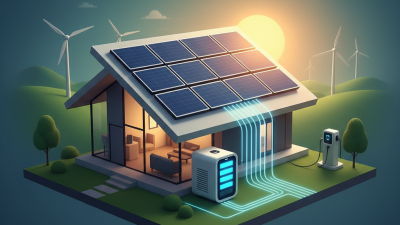
Off-grid systems provide complete independence. They rely on batteries to store energy. These systems are ideal for remote locations.
However, they typically require higher upfront investments. You might face challenges with energy storage and system maintenance.
Tips: Evaluate your energy needs carefully. Calculate your average energy use monthly. This helps in choosing the right system size. Research local incentives for solar installations.
These can significantly reduce your costs. Always consult with a professional to assess your options. They offer valuable insights based on experience.
Evaluating the Quality of Solar Panels and Inverters
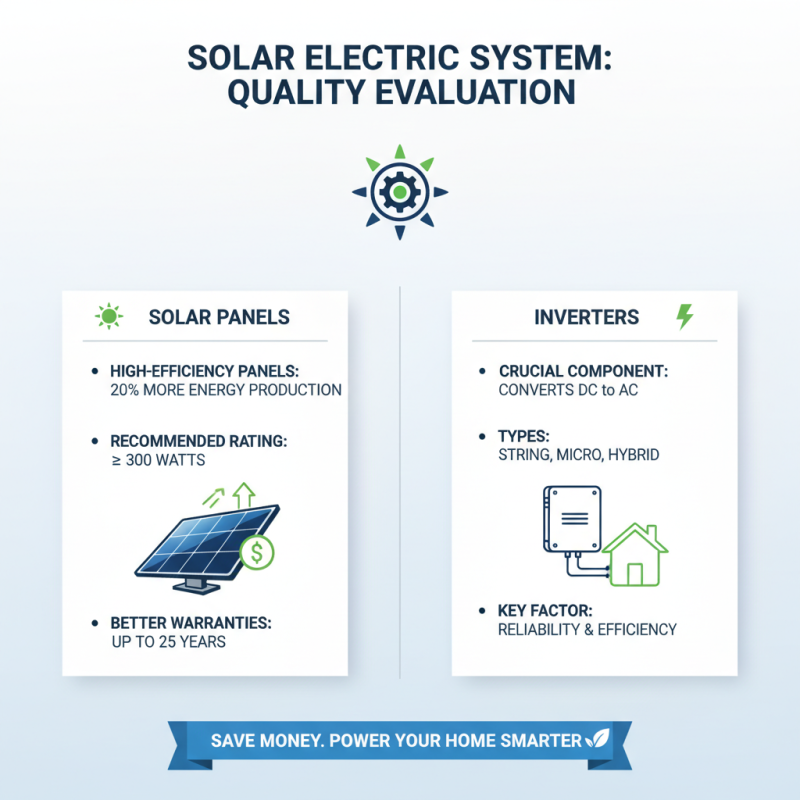
When choosing a solar electric system for your home, evaluating the quality of solar panels and inverters is crucial. Data shows that high-efficiency solar panels can produce up to 20% more energy than standard models. This difference can significantly impact your energy savings over time. Look for panels with a rating of at least 300 watts. Such panels not only generate more electricity but often feature better warranties, typically up to 25 years.
Inverters play a key role in converting solar energy into usable power. There are two main types: string inverters and microinverters. A study from the National Renewable Energy Laboratory (NREL) indicates that microinverters can enhance energy production by 10-20% in shaded conditions. Yet, they may come with a higher upfront cost. Consider your roof's layout and shading when deciding. Research shows that proper installation can influence a system's overall effectiveness.
While many manufacturers claim high efficiency, not all provide reliable performance. Independent testing organizations, such as the International Electrotechnical Commission (IEC), offer certifications which guarantee a panel's durability and performance. It’s wise to check these certifications before making a purchase. Understanding these variables will help you make a more informed decision, ultimately leading to a more efficient solar energy system for your home.
Considerations for Installation and Maintenance
When selecting a solar electric system, installation and maintenance are critical.
Professional installation helps ensure safety and efficiency. A study by the National Renewable Energy Laboratory indicated that improperly installed solar systems can lose up to 30% of their efficiency. Thus, hiring certified technicians is crucial. They can navigate local codes and regulations, avoiding costly mistakes.
Maintenance is often overlooked but essential for long-term performance. Regular cleanings prevent debris accumulation that can hinder output. According to the Solar Energy Industries Association, systems that receive routine care can perform up to 10% better than neglected ones. Monitoring systems can alert owners to issues, but they often require technical knowledge to interpret correctly. It's common for homeowners to underestimate their need for professional support, especially during maintenance.
Homeowners should also consider the availability of replacement parts. As technology evolves, older models might face scarcity. This reliance on parts can lead to prolonged downtime if not planned for. Many find themselves frustrated by unexpected repairs that could have been avoided with a proactive approach. Therefore, continuous learning about solar system care is vital for maximizing benefits and minimizing risks.
Assessing Costs and Financing Options for Solar Systems
Considering the costs and financing options for installing a solar electric system is vital. Homeowners should start by determining their budget and expected savings. Assessing your energy needs will help estimate the system size and associated costs. A well-sized system can lead to significant savings on utility bills.
Financing options are diverse and can fit various financial situations. Some homeowners choose to pay upfront, while others prefer loans or solar leases. Government incentives may reduce initial costs, making solar more accessible. Researching local programs is essential, as incentives vary widely. You might discover that some options are not as beneficial as they seem.
Understanding the long-term implications of financing is crucial. A low monthly payment may seem appealing, but it might come with high interest rates. Thus, closely examining the terms of any financing agreement is necessary. Your decision should match your financial goals and energy usage patterns. Always seek multiple quotes and expert advice before committing.
How to Choose the Best Solar Electric System for Your Home? - Assessing Costs and Financing Options for Solar Systems
| System Type |
Average Cost ($ per watt) |
Efficiency (%) |
Installation Time (days) |
Financing Options |
| Monocrystalline |
$3.00 |
20-22 |
1-3 |
Cash, Loans, Leases |
| Polycrystalline |
$2.50 |
15-17 |
1-4 |
Cash, Loans, Power Purchase Agreements |
| Thin-Film |
$1.50 |
10-12 |
1-2 |
Cash, Loans |
| Bifacial |
$3.50 |
20-25 |
2-5 |
Cash, Loans, Leases |