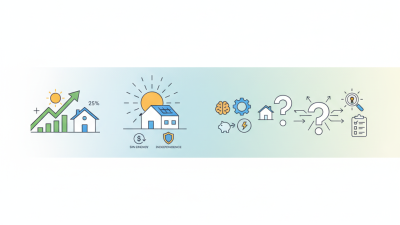
Why Choose Solar Panels For Home Energy Savings?
As energy costs continue to rise, many homeowners are exploring sustainable options. Solar panels for home energy savings have emerged as a popular choice. According to Dr. Emily Thompson, an expert in renewable energy, “Transitioning to solar panels for home helps families save money while protecting the environment.” Her work emphasizes the financial and ecological benefits of solar energy.
Solar panels for home installations harness the sun's power. They can significantly reduce electricity bills while enhancing property value. Additionally, they provide homeowners with energy independence. With increasing climate concerns, the need for renewable energy sources has never been more critical. However, some may worry about the initial investment and installation complexities.
Not every solar panel system is effective. Each installation should be assessed for its specific environment and energy needs. Homeowners must consider factors like geographic location and roof condition. These are vital for optimal performance. The journey to solar energy can be rewarding but requires careful planning and evaluation.

Understanding the Financial Benefits of Solar Panels for Homeowners
Solar panels are becoming a popular choice for homeowners looking to save on energy costs. The initial investment in solar technology can seem high, yet numerous studies indicate significant long-term financial benefits.
According to the National Renewable Energy Laboratory, solar panel systems can reduce electricity bills by up to 70%. This reduction can mean saving thousands over decades.
Many homeowners might overlook the tax incentives available. The federal solar tax credit, known as the Investment Tax Credit (ITC), allows homeowners to deduct 26% of their solar installation costs from their federal taxes.
In some states, additional rebates and incentives are available, further enhancing savings. Home values can also increase by an average of $15,000 when solar panels are installed, as reported by the U.S. Department of Energy.
Despite these benefits, some homeowners hesitate. They may fear installation costs or maintenance issues. While solar panels require limited upkeep, understanding the technology is crucial.
Calculating potential savings and available incentives helps to create a clearer financial picture. Energy prices continue to rise, making solar an even more enticing financial option for educated homeowners.
Analyzing the Reduction of Energy Bills Through Solar Energy Adoption
Solar energy is transforming how homeowners manage their energy costs. According to the U.S. Department of Energy, households with solar panels save an average of $1,500 annually on energy bills. This reduction can significantly affect monthly expenses, allowing families to allocate funds to other priorities. The initial investment can seem daunting, but many states offer incentives that help ease the financial burden.
Adopting solar panels not only cuts costs but also increases property value. A report from Zillow found that homes with solar energy systems sell for about 4% more than similar homes without solar. This statistic demonstrates the growing market demand for sustainable energy solutions. However, homeowners must consider factors like installation location and system size for effective savings.
While solar panels have their benefits, challenges exist. Homeowners may struggle with upfront costs or understanding technology. Additionally, not all locations receive the same amount of sunlight, which can affect efficiency. Evaluating these aspects is crucial for making an informed decision about going solar. Being aware of these nuances can help homeowners maximize their energy savings and environmental impact.
Evaluating the Impact of Solar Incentives on Home Energy Savings
Solar energy has gained traction as a key player in home energy savings. Evaluating the impact of solar incentives reveals substantial benefits for homeowners. Research indicates that, in some areas, solar incentives can reduce the initial installation cost by up to 30%. This makes solar panels more accessible to average households.
In addition, adopting solar energy can significantly lower monthly utility bills. According to a study by the U.S. Department of Energy, homeowners using solar power save around $1,500 annually on electricity costs. With the federal solar tax credit, individuals can receive a credit of 26% of their solar system installation costs, further enhancing savings.
Tip: Consult local incentive programs to maximize savings. Many states offer additional rebates or grants for solar energy investments. Understanding these options can help you make informed decisions.
Taking the leap to solar may feel daunting. The market can be flooded with information, and choosing the right system can be challenging. Conduct thorough research and engage with credible experts. This ensures your investment is sound and tailored to your specific energy needs. Remember, not all solar setups are created equal.
Exploring Environmental Benefits and The Sustainability of Solar Energy
Solar energy has become a cornerstone of modern sustainability efforts. Solar panels significantly reduce carbon emissions. They harness sunlight, a clean and renewable resource. By choosing solar energy, homeowners contribute to a healthier environment. It reduces dependence on fossil fuels, decreasing air pollution and preserving ecosystems.
The installation of solar panels leads to less waste. Solar energy systems have long lifespans, often lasting over 25 years. This longevity reduces the need for constant replacement of energy sources. Local wildlife and plant life gain from less habitat disturbance when using solar power.
Tips for homeowners: Consider local solar incentives. Research local policies to maximize savings. Maintain your system regularly for improved efficiency. Engage with your community for shared knowledge on solar investments. Such measures can enhance your solar journey and promote broader environmental awareness.
Assessing the Long-Term Value of Solar Panel Investments for Residences
Investing in solar panels can lead to substantial long-term energy savings for homeowners. The initial costs can seem steep. However, evaluating the ongoing savings reveals a different picture. Over time, solar energy reduces electricity bills significantly. Some households report savings of hundreds, even thousands, of dollars.
Moreover, the value of a solar panel system builds over years. Incentives and tax credits can alleviate upfront costs. This makes solar more accessible and attractive. Home value often increases with solar installation. Buyers frequently look for energy-efficient homes, which can enhance resale potential.
While the technology is promising, some challenges exist. Maintenance is necessary, and performance can vary by location. Solar panels do not produce energy at night. Homeowners should consider their energy needs carefully. Thoughtful planning can maximize the benefits of solar energy. Balancing costs with long-term gains will ensure a worthwhile investment.