Top 10 Home Battery Backup Solutions for Global Buyers?
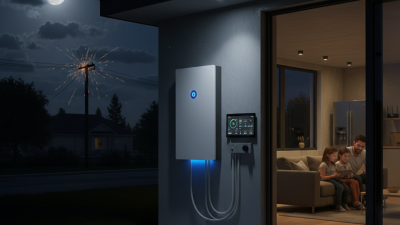
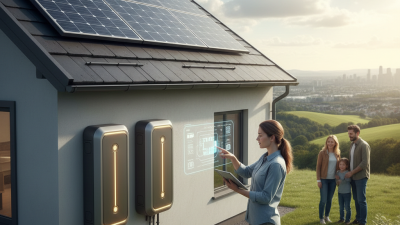
In recent years, the demand for Home Battery Backup systems has surged. According to a report by Wood Mackenzie, global home battery storage deployments are expected to exceed 20 gigawatt-hours by 2025. This rapid growth reflects a shift in consumer attitudes towards energy independence and sustainability. Home battery backup solutions not only provide emergency power but also optimize energy usage during peak times.
The challenges in selecting the right home battery backup option can be daunting. Many products promise efficiency, reliability, and longevity. Yet, not all are created equal. Buyers often feel overwhelmed by varying capacities and integration complexities. It’s crucial to consider performance data and company reputation. A trusted system can mitigate health risks during outages while promoting renewable energy use.
As we explore the top 10 home battery backup solutions, we must emphasize the importance of informed choices. Users must be aware of the limitations and reflect on their energy needs. A thorough understanding of product specifications and user reviews will enhance satisfaction. In a market evolving towards clean energy solutions, making educated decisions can lead to long-term benefits.
Overview of Home Battery Backup Solutions
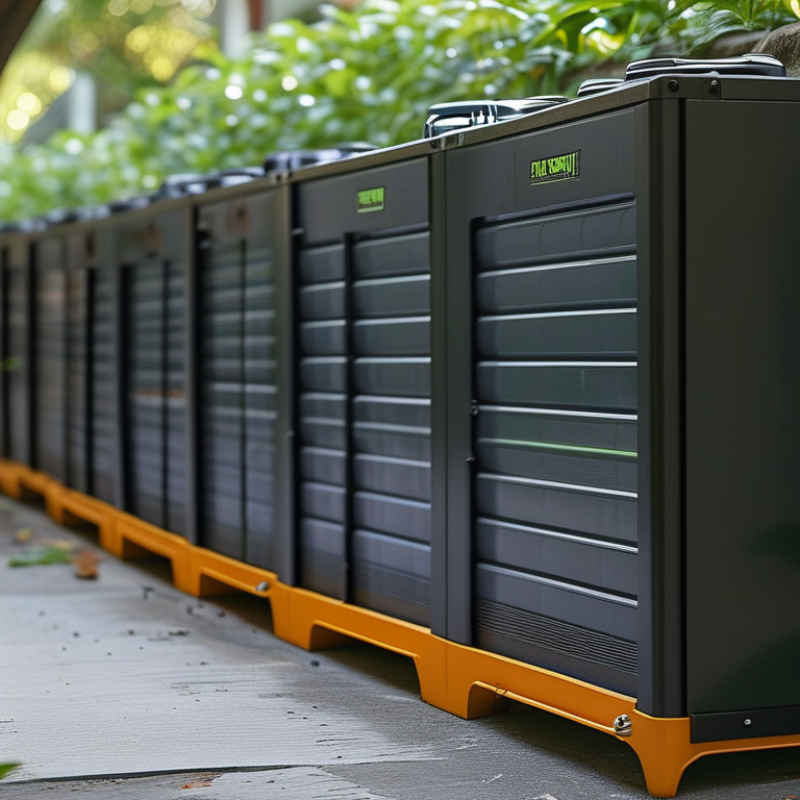
Home battery backup solutions have become essential for modern households. They provide a reliable power source during outages. Many families now seek energy independence and sustainability. These systems can store energy from solar panels or the grid. This stored energy is invaluable during emergencies.
Choosing the right battery system can feel overwhelming. Factors include capacity, cycle life, and charge rates. Homeowners often struggle with understanding technical specifications. Some systems are easy to install, while others require professional help. It’s critical to assess space and compatibility with existing systems. Many buyers overlook these details and face issues later.
The market is filled with diverse options. A range of capacities and technologies exists. Yet, not all systems will fit every home’s needs. Researching and comparing solutions is vital. Users should consider both efficiency and cost. They may find that average performance does not meet their expectations. Planning helps avoid regrets later on.
Key Features to Consider when Choosing Battery Backup
When considering home battery backup solutions, some key features demand attention. Battery capacity should match your household needs. Look for systems that offer 5 kWh to 15 kWh. This range can support essential appliances during power outages.
Storage technology is another crucial factor. Lithium-ion batteries generally offer better longevity and efficiency. However, lead-acid options may still appeal to budget-conscious buyers. Monitoring features are also important. Real-time data can help you optimize power usage and diagnose issues faster.
Durability plays a significant role, too. Systems should withstand temperature extremes and have robust warranties. User feedback often highlights the importance of reliable customer service. When evaluating options, examine these elements thoroughly to avoid future issues. Smart decisions today lead to a more stable power source tomorrow.
Top 10 Home Battery Backup Solutions Reviewed
When considering home battery backup solutions, several factors come into play. Efficiency and capacity are paramount. An ideal solution should provide ample energy storage for various needs. Look for systems that can power essential appliances during outages. More balanced energy flow ensures reliability during peak times.
Understanding the installation process is crucial. Some systems can be complex to set up. Seek professional help to avoid installation errors. A sound installation enhances the system's overall performance. Additionally, review user experiences to gauge reliability. Many users praise systems that offer user-friendly interfaces.
Finally, ask about warranty and support. Companies should stand behind their products. Solid customer service can make a significant difference. Battery technology continues to evolve. Keeping up with advancements is essential for informed choices. Regular updates may improve efficiency and longevity. Always consider how often you might need to reflect on your home energy setup.
Comparative Analysis of Battery Backup Efficiency
Battery backup solutions are vital for ensuring uninterrupted power supply during outages. When evaluating battery efficiency, consider key factors like capacity, lifespan, and recharge time. These aspects heavily influence reliability and overall performance.
Efficiency ratings vary among different systems. Some batteries excel in rapid discharge, providing immediate power, while others sustain energy over longer periods. Users may prioritize different needs; some seek fast recharges, others long-lasting durability. Regular maintenance checks can also enhance performance, ensuring the battery operates at peak levels.
Tips: Always assess your power needs before investing. Analyze your consumption patterns to choose a suitable capacity. Remember, frequent deep discharges can shorten battery life. Small adjustments in usage habits can prolong performance. Sustainable practices are essential; consider how the system impacts both your living space and the environment.
Top 10 Home Battery Backup Solutions Efficiency
Market Trends and Future of Home Battery Technologies
The future of home battery technologies looks promising. As energy needs grow, consumers seek reliable energy storage options. This trend is driven by a shift towards renewable energy sources. More homeowners want to store solar energy for later use. Battery systems must now offer longer lifespans and higher capacities.
Market research indicates a rise in consumer interest. Homeowners are more informed about energy independence. They want solutions that are efficient and cost-effective. Yet, challenges exist. Not all battery technologies are suitable for every home. Some systems may require significant space, limiting their adoption.
Efficiency and sustainability remain paramount. Future innovations should focus on improving energy density while reducing costs. Developing a robust recycling program for batteries is crucial. This addresses both environmental concerns and resource constraints. Home battery technology continues to evolve, but more improvements are needed. Balancing performance with affordability is essential for wider acceptance.