How to Choose the Right Pv System for Your Needs?
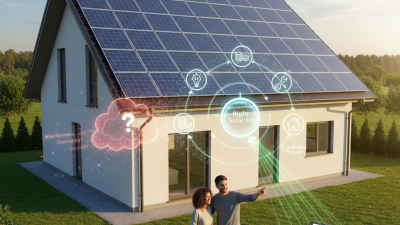
Choosing the right photovoltaic (PV) system can be daunting. It requires understanding your unique energy needs. Renowned solar expert Dr. Jane Smith emphasizes, "Selecting the right PV system is crucial to optimize energy savings."
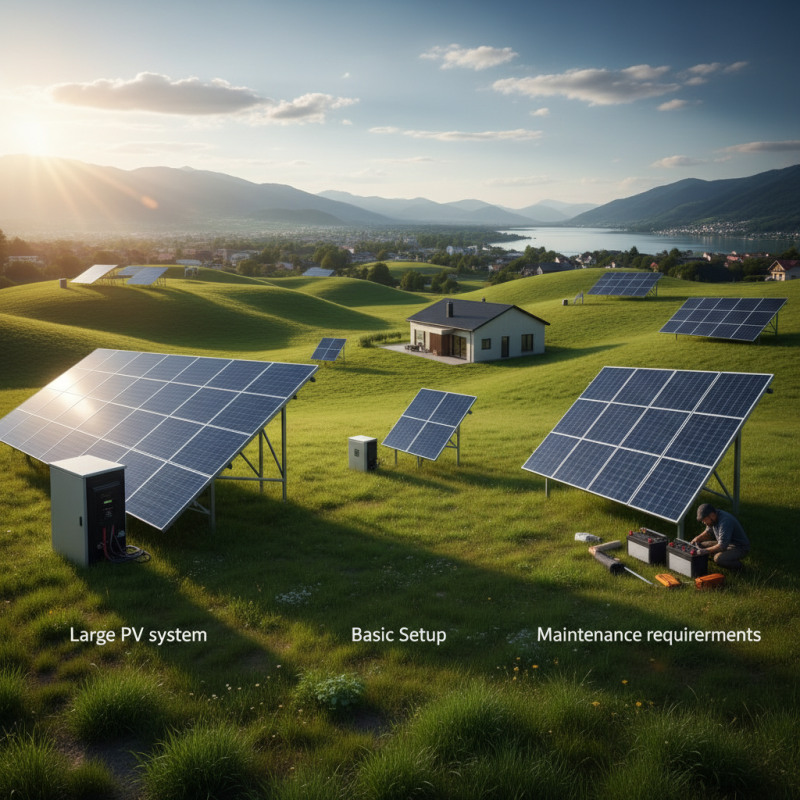
Many factors influence your choice, such as location, budget, and energy consumption. For instance, a family in a sunny area might benefit more from a larger PV system. In contrast, a small household might find a basic setup sufficient. It's essential to reflect on these details.
Moreover, many overlook maintenance requirements when choosing a PV system. Regular upkeep can affect efficiency. Understanding these elements can enhance your decision-making process. Making an informed choice ensures long-term satisfaction and investment in renewable energy.
Understanding Your Energy Needs and Consumption Patterns
Understanding your energy needs and consumption patterns is crucial when choosing a photovoltaic (PV) system. Start by assessing your electricity usage over the past year. Examine your utility bills for patterns. Look for peak usage times. This data helps in estimating the size of the solar system required.
Consider your lifestyle and habits. Do you use more energy in summer? Any heavy appliances? The answers inform the type of PV system you need. A family with electric vehicles may require a larger system than a couple living in an apartment. Energy efficiency upgrades can also impact your requirements. Small changes can lead to significant savings.
Gathering this information may feel overwhelming. Take it step by step. If you’re unsure about your findings, consider consulting with an expert. They can provide insights tailored to your specific situation. Remember, a well-informed choice enhances your investment.
Evaluating Different Types of PV Systems Available
When evaluating different types of photovoltaic (PV) systems, consider your energy needs and environment. There are several options available, including grid-tied, off-grid, and hybrid systems. Each has its own advantages. For example, grid-tied systems can lower energy bills and are easy to set up. Off-grid options provide independence but require battery storage.
Tips for choosing the right system include assessing your location. Look at sun exposure and shading factors around your property. Next, calculate your energy consumption. Estimate how much energy you use daily. This helps you determine system size.
Another important factor is your budget. Initial costs can vary significantly. However, consider long-term savings. Sometimes, cheaper options lead to higher expenses later. Research local regulations and incentives as well. They may influence your decision. Balancing all these elements can lead to a suitable choice for your needs.
Types of PV Systems Evaluated by Energy Output
Assessing Your Budget and Financial Considerations
When considering a photovoltaic (PV) system, your budget plays a crucial role. Start by determining how much you can invest in solar energy. Look at your current electricity bills. How much do you spend monthly? This can help you estimate potential savings. Solar systems can vary significantly in cost. Generally, larger systems yield more savings but require higher upfront investments.
Don’t forget to include installation costs. These can also vary based on location and roof type. Some homeowners underestimate ongoing maintenance expenses. Remember to factor in those as well. It’s wise to consider financing options. Many financial institutions offer solar loans or leases. Research these options thoroughly. What seems affordable may not always align with your long-term goals.
As you weigh your options, some doubts may arise. How will changing energy needs affect your choice? What if energy prices drop? There are no guarantees in the solar market. Be prepared for fluctuations. Make sure to seek advice from renewable energy experts. Their insights can guide you in making an informed decision.
Considering Installation Space and Long-Term Maintenance
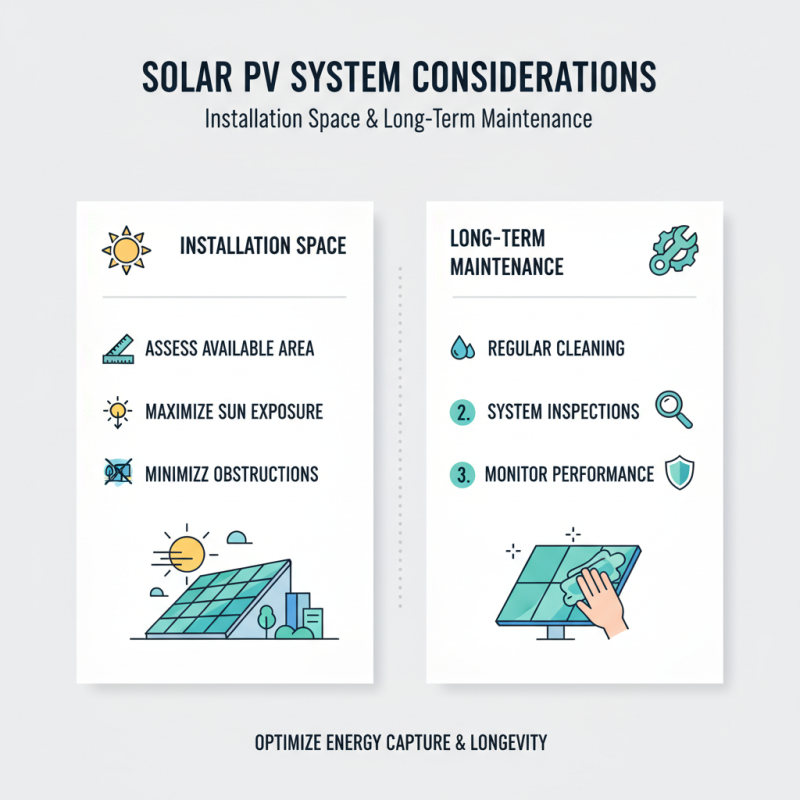
When considering a photovoltaic (PV) system, installation space plays a crucial role. Assess your available space carefully. Measure the area where you plan to install the panels. Ensure there's adequate sunlight exposure and limit obstructions like trees or buildings. A well-lit area improves energy capture significantly.
Maintenance is another vital factor. While PV systems are relatively low-maintenance, regular inspections are essential. Check for dirt, debris, and wear. Accumulations can hinder performance. It's also wise to monitor your system's output regularly. If you notice a drop, it might indicate an issue requiring attention.
Tips: Clean the panels periodically. A simple wash with water can boost efficiency. Additionally, consider a roofing assessment. Ensure your roof can support the system long-term. You might need repairs before installation. Taking these steps ensures your investment remains productive and hassle-free.
Researching Local Incentives and Regulations for PV Systems
When selecting a photovoltaic (PV) system, understanding local incentives and regulations is crucial. Many regions offer financial incentives that can significantly reduce installation costs. For example, the U.S. Solar Energy Industries Association reports that federal tax credits can cover up to 26% of the system’s cost. Local programs may also provide rebates or tax exemptions, making solar energy more appealing and affordable.
Regulations can vary significantly between jurisdictions. Some areas have specific zoning laws that may affect installation. For instance, homeowners may need permits before mounting panels on their roofs. Not all permits are straightforward; some can be time-consuming. It’s essential to consult local authorities to navigate any potential roadblocks. The difference in regulations can lead to misunderstanding, creating frustration for homeowners eager to switch to solar.
Additionally, consider the utility policies in your area. Different utilities have distinct interconnection rules and net metering policies. For example, a study by the National Renewable Energy Laboratory indicates that states with favorable net metering policies see a greater increase in PV installations. This can affect your decision-making process. Local incentives and regulatory environments play a vital role in determining the right PV system for your needs.
How to Choose the Right PV System for Your Needs? - Researching Local Incentives and Regulations for PV Systems
| Criteria |
Description |
Local Incentives |
Regulations |
| System Size |
Determines the energy needs based on household consumption. |
State rebates for renewable energy installations. |
Zoning laws may affect installation size. |
| Installation Type |
Rooftop, ground-mounted, or community solar options. |
Tax credits available for residential installations. |
Building codes that dictate mounting structures. |
| Orientation and Tilt |
Effects on energy production efficiency. |
Incentives for specific orientation for efficiency. |
Restrictions on solar panel placement. |
| Battery Storage |
Increases energy independence during outages. |
Rebates available for battery systems. |
Regulations on battery disposal and recycling. |
| Financing Options |
Loan programs, leases, and power purchase agreements. |
Low-interest loans for solar installation. |
Disclosure requirements for financial agreements. |