How to Choose the Right Pv System for Your Business Needs?
Choosing the right PV system for your business is a significant decision. It impacts your operational costs and sustainability initiatives. A well-suited PV system can reduce energy bills and enhance your brand’s environmental image. However, this process is not straightforward.
Many businesses underestimate their energy needs. Understanding your consumption pattern is crucial. This will guide you in selecting the capacity of the PV system. Additionally, local regulations and available incentives also play a vital role. Not all PV systems are created equal.
Considering factors like installation space and budget constraints is essential. Some installations might require more maintenance, while others could be more efficient. Each choice has implications for long-term savings and reliability. Thus, it’s wise to consult experts and evaluate all options carefully. The right decision today can provide long-term benefits.
Identifying Your Business Energy Needs and Consumption Patterns
When selecting a photovoltaic (PV) system for your business, understanding your energy needs is crucial. The U.S. Energy Information Administration reports that commercial buildings consume an average of 20% more energy than residential buildings. Evaluating energy consumption patterns can lead to more informed choices. Track your electricity bills over a year to identify peak usage times.
Analyze your peak consumption data. Many businesses see spikes during weekdays. In fact, a report from the National Renewable Energy Laboratory indicates that businesses with consistent high consumption can reduce costs by 30% through optimized energy generation. Consider the types of equipment used in your facilities. Machinery and HVAC systems often contribute significantly to overall consumption.
Investing in a PV system without understanding these factors might lead to underperformance. Not all businesses are alike; some have constant energy needs while others fluctuate. If you install a system too small, you could miss out on potential savings. On the other hand, oversizing can lead to wasted resources. It’s essential to perform a thorough energy audit before finalizing your decision, ensuring your system aligns accurately with your actual needs.
Understanding Different Types of PV Systems and Their Applications
When selecting a PV system for your business, understanding the various types available is crucial.
Grid-tied systems are common. They connect to the local electricity grid, making them suitable for businesses seeking reliable energy sources.
If power is cut, these systems stop working. This can be a significant drawback for some businesses.
Off-grid PV systems work independently. They generate and store energy in batteries. Such systems are perfect for remote locations.
However, initial costs can be high. Maintenance can be complicated too. Hybrid systems blend both methods, providing flexibility.
They allow for energy independence while staying connected to the grid.
Consider your business needs carefully. Assess your power requirements and location. You might also need to think about sustainability goals.
Different types of PV systems come with unique benefits and limitations. This decision may not be straightforward. Testing various approaches is
essential for long-term success.
Evaluating Financial Considerations for PV System Installation
When considering the installation of a photovoltaic (PV) system, financial factors play a critical role. Companies need to assess not only the initial costs but also the long-term savings and potential incentives. A thorough evaluation of these financial aspects can greatly enhance the decision-making process.
Tips: Start by gathering quotes from multiple installers. Compare estimated costs against projected energy savings. Look into available tax credits and rebates that could offset installation expenses.
Consider the financing options available. Some businesses might prefer upfront payment, while others may find financing options more manageable. It's essential to evaluate which option fits your cash flow best.
Remember, the technology and market for solar energy evolve rapidly. Stay informed about changing regulations and financial incentives. This might lead to better deals or new opportunities. It’s important to do the math and ensure it truly aligns with your business goals.
Assessing the Space and Location Requirements for PV Panels
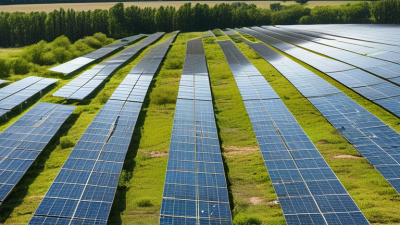
When choosing a PV system for your business, assessing space and location is critical. Start by evaluating your rooftop or ground space. Consider the orientation and angle of your location. South-facing roofs capture more sunlight. Decisions depend on geography. Urban areas might limit space, while rural settings often allow for larger installations.
Analyze shading from nearby structures or trees. Even minimal shading can impact energy production. It's essential to get an accurate assessment of potential shading. If possible, conduct a shading analysis throughout the year. Local climate plays a role, too. Areas with frequent cloud cover may yield different results versus sunny regions.
Consider local regulations that might influence installation. Some areas have strict zoning laws affecting PV systems. Consulting with professionals can help navigate these complexities. All these factors contribute to selecting the right system that meets your unique needs. Balancing available space and energy requirements is vital. It requires careful consideration and planning.
Exploring Incentives and Regulations Related to PV Systems
When considering a PV system for your business, it’s essential to explore the incentives and regulations that can impact your decision. Government programs often provide financial incentives, such as tax credits, grants, or rebates, making solar energy more appealing. Local regulations may dictate the types of systems you can install and any necessary permits. Understanding these factors can guide your choices and help maximize savings.
Tips: Research state and federal incentives that apply. They can significantly reduce initial costs. Also, stay informed about local regulations. This knowledge can prevent future compliance issues.
Selecting the right PV system is about aligning with your business model. Consider energy needs and potential savings. An oversized system might lead to unnecessary expenses, while an undersized one could result in missed savings. Evaluating your business's energy consumption over time can help. Documenting your current usage is a good starting point.
Tips: Keep track of energy bills. Analyzing monthly usage can reveal patterns. Consult with experts for tailored advice. Their insights can mitigate common pitfalls.