How to Choose the Best Solar Power Home System for Your Needs?
Choosing the right Solar Power Home System is crucial for maximizing energy efficiency and reducing costs. Renowned solar energy expert Dr. Emily Johnson states, "Every home has unique energy needs that a solar system should match perfectly." Understanding your specific requirements is the foundation of a successful solar installation.
When considering a Solar Power Home System, it’s essential to evaluate your energy consumption patterns. Analyze your monthly bills and identify peak usage hours. This understanding can guide you in selecting a system with suitable capacity. The technology has evolved rapidly, with various options available. Factors such as panel type, inverter quality, and battery storage can significantly impact performance.
However, navigating this market can be confusing. Many systems promise great savings and efficiency but may not deliver as expected. It's vital to consult with experienced professionals and gather multiple quotes. Analyze warranties and customer reviews to assess reliability. Reflecting on your choices can lead to better decision-making. A well-chosen Solar Power Home System can transform your energy landscape and promote sustainability.
Understanding Your Energy Needs and Consumption Patterns
When selecting a solar power home system, understanding your energy needs and consumption patterns is essential. According to the U.S. Energy Information Administration, the average American household consumes about 877 kWh per month. This figure can vary based on the number of occupants, the size of the home, and individual habits. Evaluating your energy use will help you choose the right system and avoid overspending.
One way to analyze your energy consumption is by reviewing past utility bills. Take note of seasonal changes that influence your usage. For example, air conditioning in summer can significantly raise your consumption. The National Renewable Energy Laboratory suggests focusing on reducing energy waste. Implementing energy-efficient appliances can complement your solar system and lower your usage overall.
Tip: Track daily electricity usage with smart meters. This data can reveal high-consumption habits. Understanding these patterns will help tailor a solar system that suits your needs. You may discover specific times of day when energy use spikes. Adjusting your habits during these hours can enhance the effectiveness of your solar setup.
Evaluating Different Types of Solar Power Systems Available
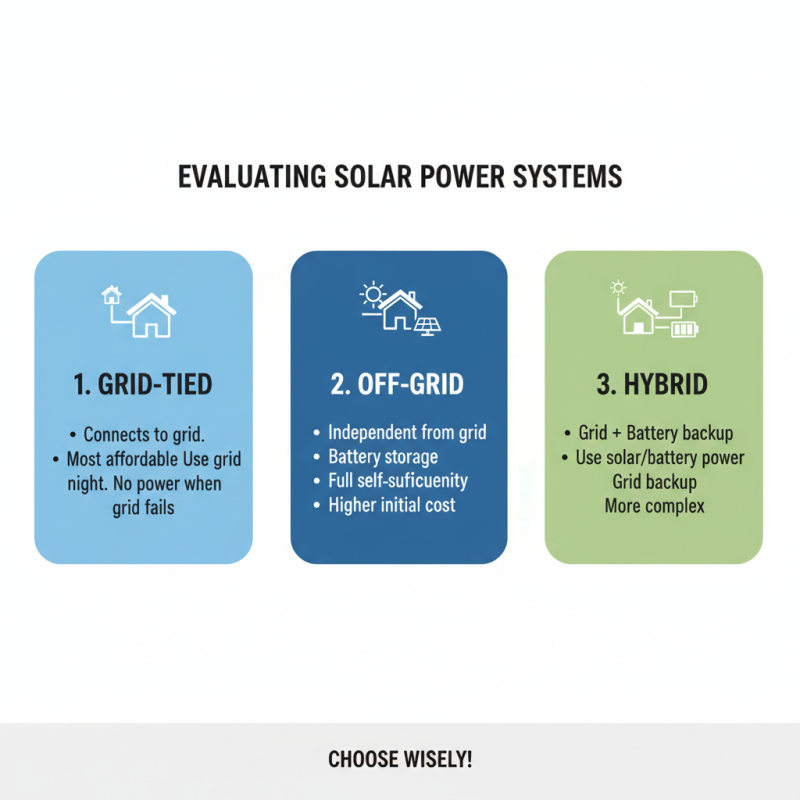
When choosing a solar power system, it’s crucial to evaluate the different types available. There are mainly three systems to consider: grid-tied, off-grid, and hybrid. Each has its pros and cons. Grid-tied systems connect to the local power grid. They are often the most affordable options. They allow you to draw energy from the grid when solar production is low. However, if the grid goes down, you lose power.
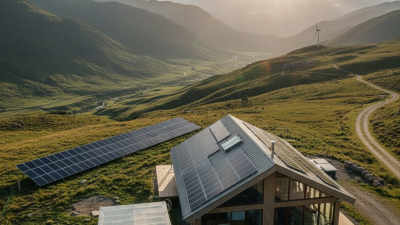
Off-grid systems function independently of the grid. They are ideal for remote locations. These systems require battery storage. This adds complexity and cost. Yet, they offer the ultimate energy independence. You can generate and store your own power. However, maintaining batteries is not without challenges. They require regular monitoring and eventual replacement, which may not be straightforward.
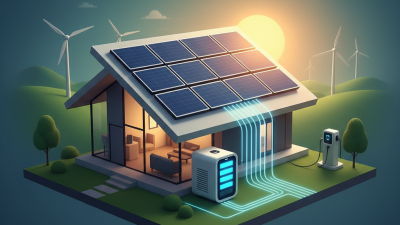
Hybrid systems combine both features. They can connect to the grid while also allowing for battery storage. They offer flexibility. However, they come with a higher price tag. It’s essential to assess your energy needs before deciding. Think about your lifestyle and future energy demands. Each option presents unique advantages and drawbacks. Careful consideration can lead you to the best fit for your home.
Assessing Your Home's Solar Potential and Location Factors
When assessing your home’s solar potential, start by examining the sunlight exposure. It's essential to measure how many hours of direct sunlight your roof receives each day. A shaded roof can significantly reduce solar power efficiency. Trees, nearby buildings, or other obstructions can interfere with sunlight. Observing these factors is crucial for an effective solar setup.
Next, consider your home's location. Regions with higher sun exposure can yield better solar energy production. Areas that frequently experience rain or cloud cover may not be ideal. Local climate conditions can impact system performance. Understanding these elements early on helps in making an informed decision.
Reflect on your roof’s design too. Roof angles and materials can impact installation options. Flat roofs might require different solar panels than sloped roofs. Take time to evaluate your needs against these factors. In some cases, you might find that your roof isn’t suitable for solar energy or needs modifications. It's important to approach this decision with both optimism and realism.
How to Choose the Best Solar Power Home System for Your Needs?
| Factor |
Description |
Impact Level (Low, Medium, High) |
| Roof Orientation |
The direction your roof faces affects solar panel efficiency. |
High |
| Roof Pitch |
The angle of your roof influences the amount of sunlight captured. |
Medium |
| Shade from Trees or Buildings |
Shade can significantly reduce the efficiency of solar panels. |
High |
| Local Climate |
Weather conditions influence solar energy production. |
Medium |
| Government Incentives |
Incentives can lower installation costs and increase ROI. |
High |
| Energy Consumption |
Understanding your energy needs helps size the system. |
High |
| Budget |
Your budget will dictate system size and quality. |
High |
Budgeting for Initial Investment and Long-Term Savings
When considering investing in a solar power home system, budgeting is crucial. Initial costs can be daunting. A typical residential solar panel system ranges from $15,000 to $25,000 before incentives. This upfront investment can feel overwhelming. However, understanding potential long-term savings is essential. According to the Solar Energy Industries Association (SEIA), solar homeowners can save an average of $20,000 over 20 years.
Financing options are available. Many homeowners opt for solar loans, which can spread the initial cost over several years. A report from the National Renewable Energy Laboratory indicates that a well-planned financing strategy can result in 80% of initial investment recouped through tax credits and energy savings. However, it requires careful calculation. Some homeowners underestimated their energy usage, leading to a mismatch between system size and needs.
Understanding local incentives is important. Each state offers different rebates and tax benefits. Some places provide significant reductions for early adopters. However, qualification can vary, leading to confusion. Engaging with a solar advisor can aid in navigating these complexities. Budgeting for both immediate costs and future savings can maximize the benefits of your solar power home system.
Comparative Analysis of Initial Investment and Long-Term Savings for Solar Power Home Systems
Researching Top Solar Providers and Reading Customer Reviews
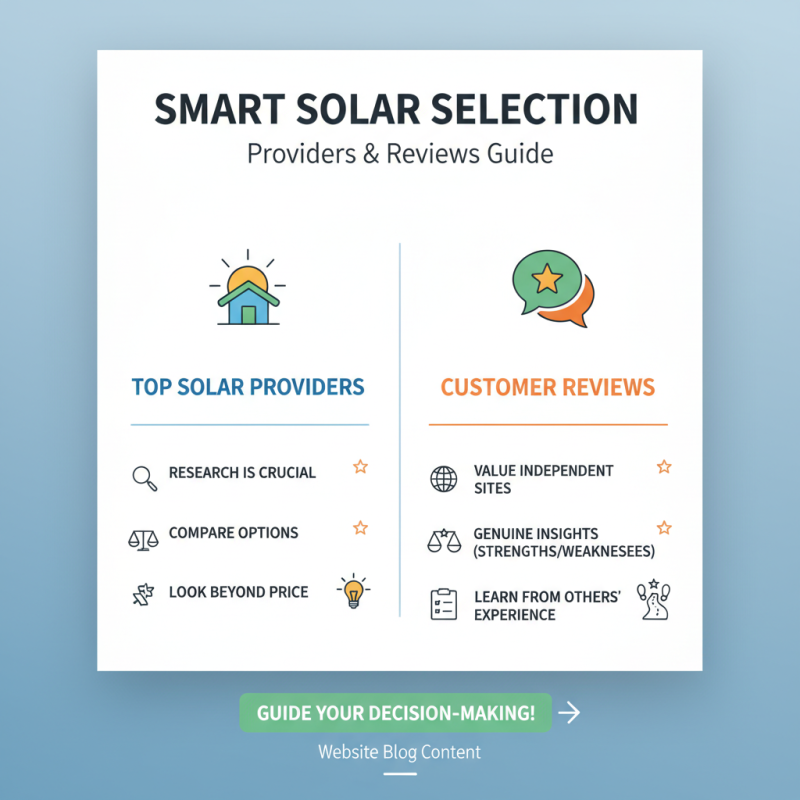
When selecting a solar power home system, researching top solar providers is crucial. Customer reviews can offer valuable insights. Look for reviews on independent websites, as they tend to be more reliable than those on company pages. Genuine experiences reveal both strengths and weaknesses. Reading about other customers' installations can guide your decision-making.
Some users praise the efficiency of their systems. Others mention technical issues. Pay attention to recurring themes in reviews. If many users report similar problems, consider that as a red flag. Additionally, check for complaints about customer service. A provider that supports its clients after installation builds trust.
Don’t rush your choice. Reflect on your energy needs. Every home is unique. What works for one may not suit another. Seeking advice from independent experts can be beneficial. They can pinpoint providers with a solid track record, enhancing your chances of a satisfying investment.