MH Energy       Your Better Solar and Energy Partner

Leave Your Message

Top 10 Home Solar Panel Systems for Global Buyers?

Choosing among the top 10 home solar panel systems requires more than comparing wattage and price. Global buyers face different sunlight levels, roof designs, electricity tariffs, and installation rules. A system that performs well in Spain may need different components in Canada or Kenya. This guide examines practical options for a Solar Panel System Home, using efficiency, durability, monitoring, warranty support, and installer experience as key measures. Real-world performance matters.

Look beyond the product brochure. A 450-watt panel may produce less energy when dust covers its surface or heat rises above the rated temperature. Inverters, mounting rails, batteries, and cables also influence long-term reliability. Check recognized safety certifications, regional warranty terms, replacement access, and the installer’s documented projects. Ask who will service the system after installation.

Details matter.

The rankings are not universal. A compact system may suit a city apartment, while a larger setup fits a rural property with high daytime demand. Battery storage can improve evening use, but it adds cost, weight, and maintenance considerations. Buyers should compare estimated annual production, not only panel capacity. Professional site assessment remains essential, especially where snow, salt air, hurricanes, or weak roofing may affect design.

Some recommendations may change as prices and technologies evolve. That limitation deserves honesty. Independent reviews, manufacturer data, and local professional advice should support every final decision. The strongest solar choice is not always the most powerful one. It is the system that safely matches the home, climate, budget, and expected energy habits.
Top 10 Home Solar Panel Systems for Global Buyers?

What Defines a Home Solar Panel System?

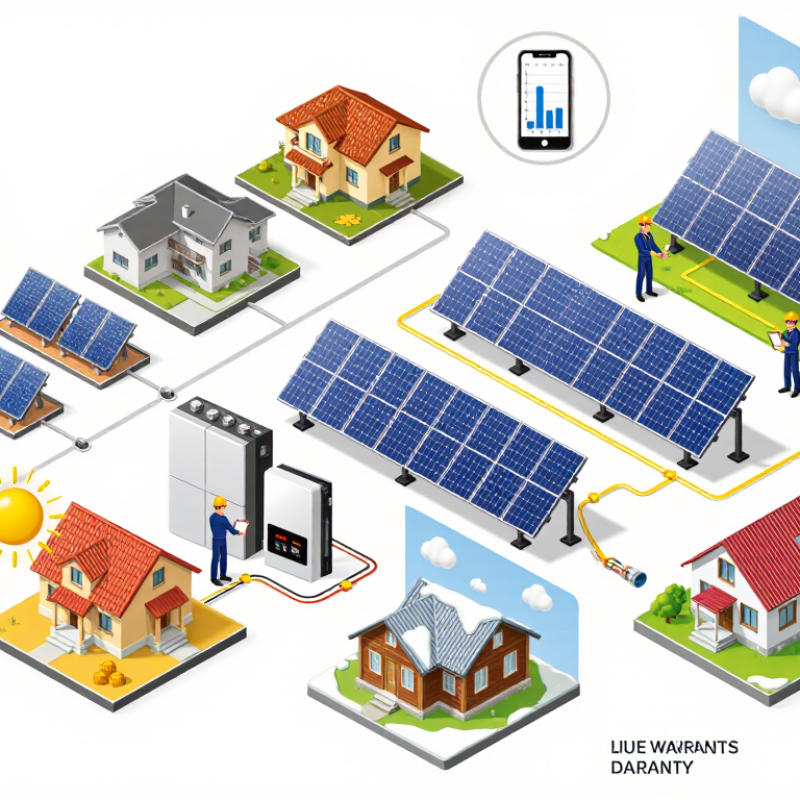
A home solar panel system is more than a row of modules on a roof. It combines panels, an inverter, mounting hardware, wiring, monitoring, and sometimes batteries. The design must match local sunlight, roof structure, household demand, and grid rules. In 2023, solar capacity grew by about 346 GW worldwide, according to IRENA’s Renewable Capacity Statistics 2024. That growth shows scale, not guaranteed quality.

A reliable system begins with a site assessment. Check roof age, afternoon shade, wind exposure, and available space. A clean roof can still perform poorly if a chimney shades two panels each afternoon. The inverter should suit the system size and local voltage requirements. Battery storage may improve evening use, but it also adds cost, weight, and replacement planning. It is not automatically the best choice. IEA PVPS reported global photovoltaic capacity above 1.6 terawatts by the end of 2023, yet performance varies sharply between homes.

Good buyers compare estimated annual energy, degradation assumptions, warranty terms, maintenance access, and installer qualifications. Ask for production estimates based on measured weather data, not optimistic sunlight icons. Local electrical approval and grid connection procedures matter too. A system can be technically impressive and still fail a permitting review. That part is easy to underestimate. I would also question any forecast that ignores dust, snow, battery losses, or future roof repairs. The strongest definition is simple: a home solar system is a coordinated, code-compliant energy asset designed for one specific household.
How to Evaluate Solar Systems for Global Homes

Top 10 Home Solar Panel Systems for Global Buyers?

How to Evaluate Solar Systems for Global Homes

A suitable solar system begins with the home, not the product list. Check roof direction, shade, pitch, and usable area. A south-facing roof works well in many northern locations. In southern regions, north-facing roofs may perform better. Measure sunlight across different seasons. A small chimney shadow can reduce output more than expected.

Climate changes the equipment choice. Coastal homes need strong corrosion resistance. Snowy areas require sturdy mounting and safe snow-load ratings. Hot climates need panels and inverters tested for high temperatures. Review the system’s operating voltage, grid frequency, battery compatibility, and local electrical requirements. These details differ between countries. They should never be guessed. Ask for test reports, installation records, warranty terms, and clear maintenance procedures. Reliable suppliers explain limitations, not only peak performance.

Installation quality often decides real-world results. Inspect cable routing, roof penetrations, grounding, ventilation, and emergency shutoff access. A professional installer should understand local permits and connection rules. Monitoring software can reveal a failing panel or battery early. Still, monitoring is not perfect. Internet outages may hide useful data. My evaluation checklist is practical, but it needs adjustment for unusual roofs, weak grids, or limited budgets. A larger system is not always better. Batteries also deserve careful review because replacement costs, temperature limits, and recycling options affect long-term value. Test the assumptions before signing.

Top 10 Home Solar Panel Systems for Global Buyers

How to Evaluate Solar Systems for Global Homes

This comparison uses representative residential solar configurations in major global markets. Estimated annual generation is calculated from typical residential system sizes and region-specific solar yields, expressed in kilowatt-hours (kWh) per year. Actual results depend on roof orientation, shading, weather, temperature, equipment losses, and local installation quality.

When evaluating a home solar system, compare usable roof area, local peak sun hours, household electricity demand, battery requirements, grid rules, installation standards, and expected annual energy production—not panel specifications alone.

Top 10 Home Solar Panel Systems for Different Needs

Top 10 Home Solar Panel Systems for Global Buyers

Top 10 Home Solar Panel Systems for Different Needs

The best home solar system depends on your roof, climate, electricity use, and local grid rules. A perfect ranking does not exist. In practical assessments, these ten system types cover common household needs.

A grid-tied system suits sunny homes with reliable utility service. A battery-backed system helps during evening demand or short outages. Off-grid solar fits remote cabins, but it needs careful battery sizing. Hybrid systems combine grid power, solar panels, and storage. Small rooftop systems work well for apartments or limited roof space. Portable solar kits support camping and temporary power. High-efficiency systems help homes with shaded or narrow roofs. Heat-resistant systems suit hot regions with strong sunlight. Cold-climate systems need durable equipment and thoughtful snow planning. Larger home systems can support electric cooking, heating, and vehicle charging.

Start with twelve months of electricity bills. Then check roof direction, shade, panel age, and structural strength. A professional load assessment prevents expensive oversizing. Battery capacity should match essential circuits, not every appliance. That detail is often misunderstood. Local permits and electrical standards also matter. A system that works in one country may need different protection equipment elsewhere. My own shortlist would change after a site visit. Solar design is never purely theoretical. Real roofs are uneven, trees grow, and household habits shift. Choose equipment with clear warranties, certified installation, and accessible maintenance support.

Top 10 Home Solar Panel Systems for Global Buyers? - Top 10 Home Solar Panel Systems for Different Needs
Rank System Type Best For Typical Solar Capacity Approximate Panel Count* Indicative Annual Generation** Battery Recommendation Approximate Roof Area*** Grid Requirement Key Advantage
1 Compact Starter System Small apartments, cabins, and low-energy homes 1.6 kWp 4 panels at approximately 400 W each 1,800–2,600 kWh Optional 3–5 kWh battery 8–10 m² Grid-connected or off-grid with suitable backup Lower initial investment and simple installation
2 Typical Family Home System Two- to four-person households with moderate electricity use 3.2 kWp 8 panels at approximately 400 W each 3,600–5,200 kWh Optional 5–10 kWh battery 16–20 m² Grid-connected Balanced capacity for everyday household consumption
3 High-Consumption Home System Large households using electric cooking, cooling, or water heating 5.0 kWp 12–13 panels at approximately 400 W each 5,600–8,200 kWh Recommended 8–13 kWh battery 24–29 m² Grid-connected Greater daytime energy production and bill reduction
4 Solar-plus-Storage System Homes seeking higher self-consumption and evening energy coverage 6.4 kWp 16 panels at approximately 400 W each 7,200–10,500 kWh Recommended 10–15 kWh lithium-iron-phosphate battery 32–38 m² Grid-connected with backup functionality Stores daytime solar power for evening use
5 Backup-Focused Hybrid System Areas affected by outages or unreliable grid service 4.8–8.0 kWp 12–20 panels at approximately 400 W each 5,400–13,000 kWh Recommended 10–20 kWh battery 24–44 m² Hybrid inverter with grid and backup inputs Can supply selected essential loads during outages
6 Off-Grid Home System Remote homes without dependable utility access 5.0–10.0 kWp 13–25 panels at approximately 400 W each 5,600–16,000 kWh Recommended 15–30 kWh battery plus backup generator 26–55 m² Not required, but backup generation is strongly recommended Provides energy independence when properly sized
7 Electric Vehicle Charging System Homes charging one electric vehicle regularly 7.2–10.0 kWp 18–25 panels at approximately 400 W each 8,100–16,000 kWh Optional 10–20 kWh battery 36–55 m² Grid-connected with a dedicated EV circuit Supports daytime charging and reduces transport-energy costs
8 Heat-Pump and Electrification System Homes replacing gas or oil heating with electric equipment 8.0–12.0 kWp 20–30 panels at approximately 400 W each 9,000–19,000 kWh Recommended 10–20 kWh battery 40–66 m² Grid-connected Offsets increased electricity demand from heating and hot water
9 Small Home and Workshop System Homes with workshops, pumps, machinery, or other daytime loads 8.0–12.0 kWp 20–30 panels at approximately 400 W each 9,000–19,000 kWh Optional 10–20 kWh battery 40–66 m² Grid-connected; three-phase service may be needed for larger loads Matches solar production with substantial daytime consumption
10 Premium Whole-Home System Large properties seeking maximum renewable-energy coverage 10.0–15.0 kWp 25–38 panels at approximately 400 W each 11,000–24,000 kWh Recommended 15–30 kWh battery 50–83 m² Grid-connected or hybrid configuration High production potential for multiple electrified loads
* Panel counts are calculated using a representative 400 W residential panel. ** Annual generation is an indicative range for different global solar resources and system conditions; actual output depends on location, shading, roof orientation, tilt, temperature, and system losses. *** Roof-area estimates allow approximately 2.0–2.2 m² per panel, including practical spacing. Local electrical codes, roof structure, permitting requirements, battery regulations, and utility rules should be checked before installation.

Regional Factors Affecting Solar System Selection

Choosing among the top 10 home solar panel systems depends heavily on location, not just advertised efficiency. A compact rooftop system may suit a sunny Mediterranean home, while a larger array may be necessary in cloudy northern regions. Local sunlight data, roof direction, shading, and seasonal weather should guide the design.

I have seen homeowners overestimate production after comparing only peak wattage. High temperatures can reduce panel output, especially on poorly ventilated roofs. In snowy areas, panels need strong mounting structures and a suitable tilt for snow shedding. Coastal homes require corrosion-resistant materials, while dusty inland regions may need easier cleaning access. Small details matter.

Electricity prices and local grid rules also change the best choice. Areas with frequent outages may benefit from battery storage and backup circuits. Homes with stable grids may achieve better value through direct daytime usage. Net-metering policies, permits, fire setbacks, and electrical standards must be checked with qualified local installers. Imported equipment can also face delayed parts or limited technical support. That risk is easy to ignore.

A reliable assessment should include twelve months of electricity bills, hourly consumption, roof measurements, and future loads such as an electric vehicle. I once underestimated evening demand in a household with heat-pump heating; the battery recommendation was too small. That mistake showed why regional habits matter as much as climate. Performance estimates should include realistic losses from heat, dust, wiring, and inverter conversion.

Installation, Costs, Maintenance, and Warranty Considerations

Choosing among the top 10 home solar panel systems requires more than comparing wattage. Installation conditions often decide real performance. A system on a shaded roof may produce less energy than a smaller system on a clear, well-angled roof. Check roof age, local sunlight, wind exposure, and available mounting space before ordering. Electrical work may also require certified technicians and local permits.

Costs include panels, inverters, mounting hardware, labor, inspections, and future replacements. Request an itemized quotation. Very low prices can hide weak components or poor after-sales support. Battery storage raises the initial cost but may improve backup and self-consumption. Payback estimates can be useful, yet electricity prices and weather change. They are not promises.

Maintenance is usually simple. Inspect cables, mounting points, and visible damage annually. Clean dusty panels when output drops, but follow local safety guidance. Warranty terms deserve careful reading. Separate coverage may apply to panels, inverters, batteries, labor, and performance degradation. Confirm who handles claims in your country. Some warranties sound generous but exclude transport or installation costs. That matters.

Tips: Compare warranties by years, exclusions, transfer rules, and response time. Keep installation photos, invoices, test reports, and maintenance records. Ask for production estimates based on your roof, not a standard example. If a salesperson guarantees savings, question the assumptions. A professional site assessment may cost more, but it can prevent expensive mistakes.