Home Solar Energy System for Sustainable Living Solutions?
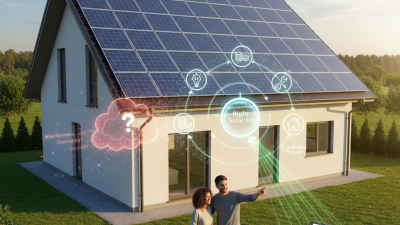
The adoption of a Home Solar Energy System is more than a trend; it's a pathway toward sustainable living. These systems harness the sun’s energy, transforming it into clean electricity for our homes. This shift helps reduce reliance on fossil fuels, aligning with environmental goals.
Many homeowners have seen the benefits first-hand. They enjoy lower electricity bills and contribute to a greener planet. However, installing a solar energy system involves a learning curve. Homeowners face challenges in choosing the right system and understanding local regulations. Mistakes can lead to unexpected costs.
Additionally, the initial investment can be daunting. Yet, the potential savings and environmental impact make it worth considering. A Home Solar Energy System is a crucial step toward sustainable living. It requires careful planning and research, but the rewards can be significant. Embracing this technology reflects a commitment to a cleaner future.
Benefits of Home Solar Energy Systems for Sustainable Living
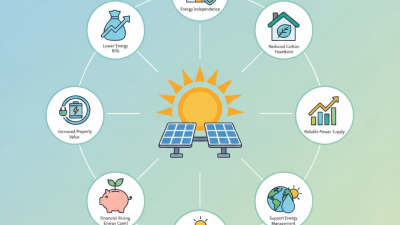
Home solar energy systems provide numerous benefits for sustainable living. According to the U.S. Department of Energy, residential solar energy systems can reduce electricity costs by up to 40%. This savings translates into substantial financial relief for homeowners. Additionally, solar energy contributes to grid stability. A report from the National Renewable Energy Laboratory indicated that increasing solar usage can help reduce strain on power grids during peak demand.
Environmental impact is another crucial aspect. The Environmental Protection Agency states that solar energy systems can significantly lower carbon emissions. One average home installation can prevent about 100 tons of carbon dioxide from entering the atmosphere over 30 years. However, the initial setup costs can be daunting for some. Incentives exist, but potential buyers should assess their local policies and rebates carefully.
Homeowners often grapple with questions about efficiency and installation. Solar panels typically last 25 years, but efficiency can decline over time. Regular maintenance is necessary to ensure optimal performance. While adoption is growing, challenges remain. The complexities of local regulations and varying sunlight exposure can impact system effectiveness. Careful planning and research are vital in navigating these factors for a successful transition to solar energy.
Types of Home Solar Energy Systems Available Today
Home solar energy systems are becoming increasingly popular for sustainable living. Many homeowners are exploring different options to harness solar power. Each type has its benefits and limitations, making it essential to choose wisely.
One common option is grid-tied systems. These systems connect directly to the electrical grid. They allow users to sell excess energy back to the grid. However, they rely on grid electricity when solar production is low. It can be a drawback during outages.
Another type is off-grid systems. These setups cater to those seeking energy independence. They store solar energy in batteries for later use. While this offers freedom from utility companies, the initial costs can be high. Maintenance is also a consideration, as battery systems require regular upkeep. Each system type serves different needs, requiring careful evaluation to find the right fit.
Key Components of a Home Solar Energy System
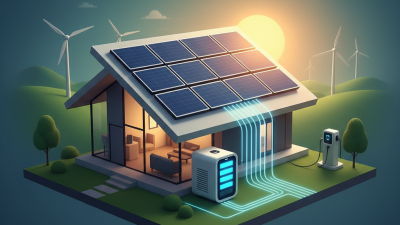
A home solar energy system consists of several key components that work together to harness sunlight. At the heart of this system is the solar panel.
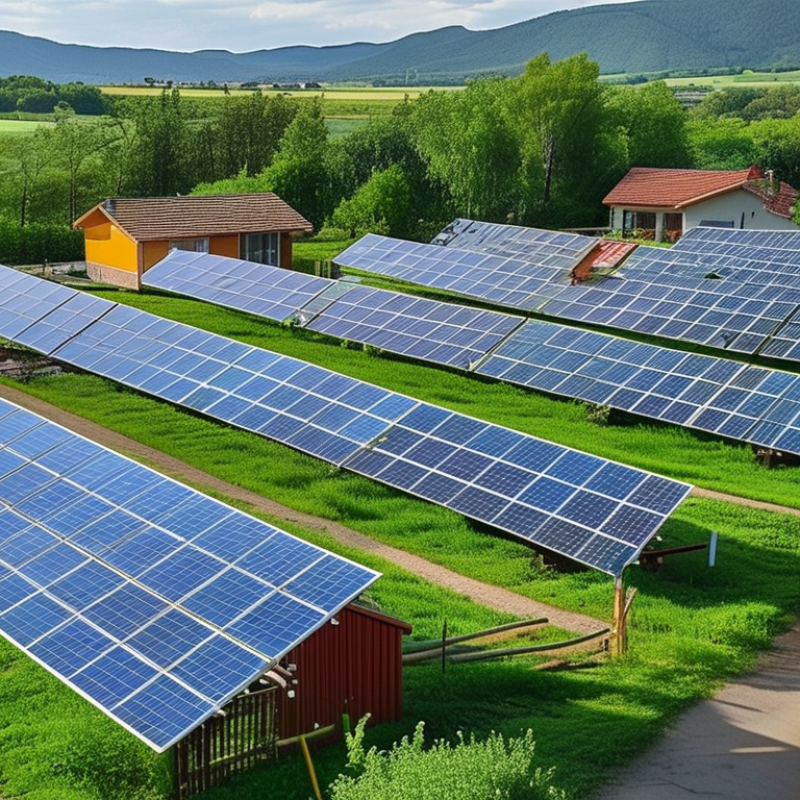
These panels absorb sunlight and convert it into electricity. They are typically installed on rooftops, maximizing their exposure to the sun's rays. The placement needs careful consideration, as shading from trees can decrease efficiency.
Next, we have the inverter. This device converts the direct current (DC) generated by solar panels into alternating current (AC), which is used by most home appliances.
Choosing the right inverter is crucial for optimizing energy usage. Some homeowners may overlook this detail. Without the right inverter, solar energy production could be wasted.
Batteries play another essential role in home solar setups. They store excess energy produced during sunny days for use at night. This feature allows homeowners to stay powered even when sunlight is not available.
However, battery maintenance and lifespan can be challenging. Many people overlook these factors, leading to unexpected costs. Regular inspections and proper management can enhance efficiency and reliability.
Factors to Consider When Installing Solar Energy Systems
When considering a home solar energy system, several key factors are crucial. First, assess your location. The amount of sunlight your area receives directly impacts system efficiency. Homes in sunny regions often yield more energy. However, even in less sunny locales, solar panels can still generate power. It’s important to consult local solar resources for specific data.
Next, evaluate your energy needs. Calculate your average monthly electricity usage. This will guide you in selecting the right system size. A system too small will not meet your needs, while an oversized system can lead to wasted energy. Understand your consumption patterns. This insight supports effective planning and system design.
You also need to consider installation costs and incentives. Solar energy systems can be a significant investment. Analyze available rebates or tax credits that can lessen the financial burden. Research local regulations and permits. This can prevent delays in installation and help ensure compliance. All these components add layers of complexity but also represent opportunities for maximizing efficiency. Take the time to reflect on these elements, as they pave the way for successful implementation of solar technologies.
Home Solar Energy System Installation Factors
Future Trends in Home Solar Energy Technology and Sustainability
The future of home solar energy technology is evolving rapidly. A report by the
International Energy Agency predicts that global solar power capacity will reach
4,800 GW by 2030. This growth highlights the increasing interest
in sustainable living solutions. Homeowners are eager to cut costs
and reduce their carbon footprints through solar installations.
Emerging technologies are enhancing efficiency and affordability. For instance,
bifacial solar panels can capture sunlight on both sides,
improving energy output by up to 30%. As prices for solar systems drop by
approximately 10% annually, more households can adopt these solutions.
However, there are challenges that need attention, such as
initial installation costs and the disposal of outdated equipment.
Energy storage systems are pivotal in maximizing solar efficacy. The demand for
battery storage surged, with growth projected at
25% annually through 2026. Yet, many homeowners lack adequate information
on selecting the right systems. Education and expert advice
are crucial for harnessing solar energy's full potential. Sustainability is a journey, not a destination, and it requires
constant adaptation.