How to Harness Solar Energy For Home Use Effectively?
Harnessing solar energy for home use is an increasingly vital topic in today's energy landscape. Dr. Emily Summers, a leading expert in renewable energy, notes, "Solar Energy for Home offers a sustainable path toward energy independence." As homeowners face rising utility costs, many are exploring ways to integrate solar solutions into their daily lives.
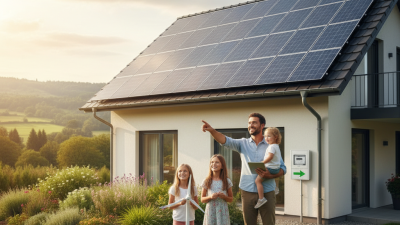
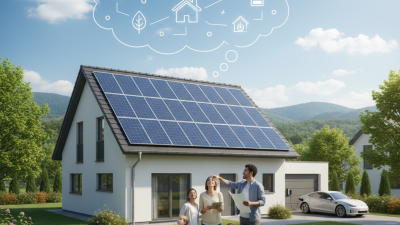
Solar Energy for Home not only reduces electricity bills but also benefits the environment. Picture solar panels installed on your roof, generating clean energy daily. Yet, the process of adopting solar technology can seem daunting. Homeowners may grapple with high initial costs or understanding system requirements. Knowing how to navigate these challenges is crucial for optimal results.
The choice to embrace solar energy represents a significant shift. Many families still feel uncertain about making this leap. Gathering insights from experienced practitioners and conducting thorough research can bridge the gap. Achieving a sustainable home energy solution may require adaptations and ongoing learning, but the long-term rewards are substantial.
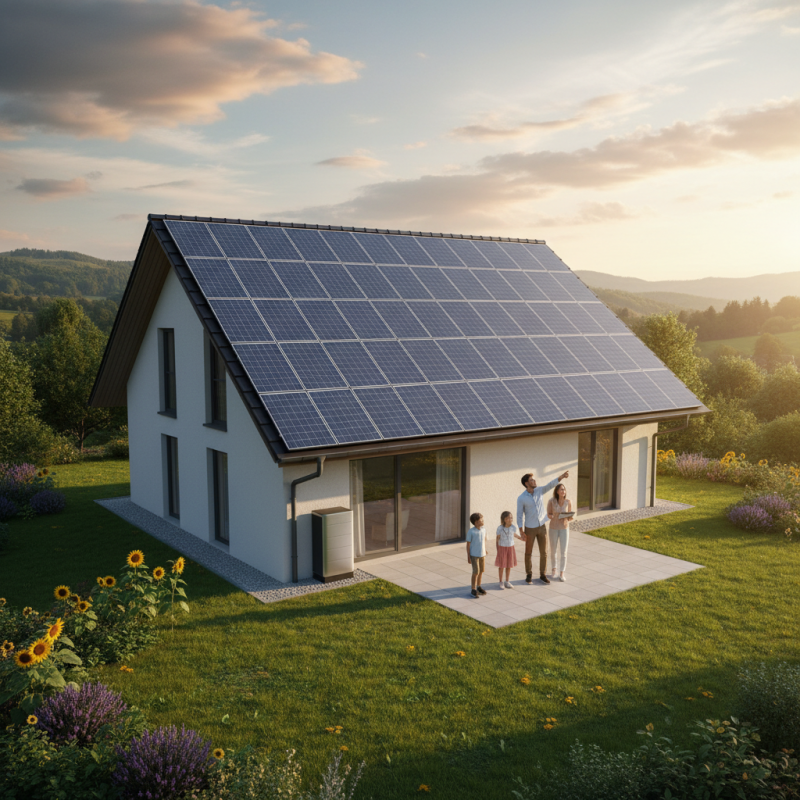
Understanding Solar Energy and Its Benefits for Home Use
Solar energy is a powerful resource for homeowners looking to reduce their energy bills. According to the U.S. Department of Energy, solar power can lower electricity costs by up to 70%. This significant reduction appeals to many families, especially those in sunny regions. Understanding solar energy means recognizing its potential to harness sunlight and convert it into usable electricity.
A solar panel system typically consists of photovoltaic cells that convert sunlight into electricity. Moreover, systems often include inverters, batteries, and other components. The National Renewable Energy Laboratory estimates that a residential solar installation can offset over 100 tons of carbon dioxide during its lifespan. However, many homeowners hesitate. The initial investment for solar panels can be daunting, often exceeding $15,000, depending on the system size. While tax credits can alleviate some costs, ongoing maintenance can still be a concern.
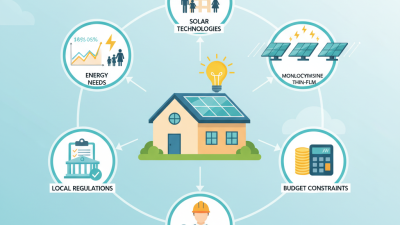
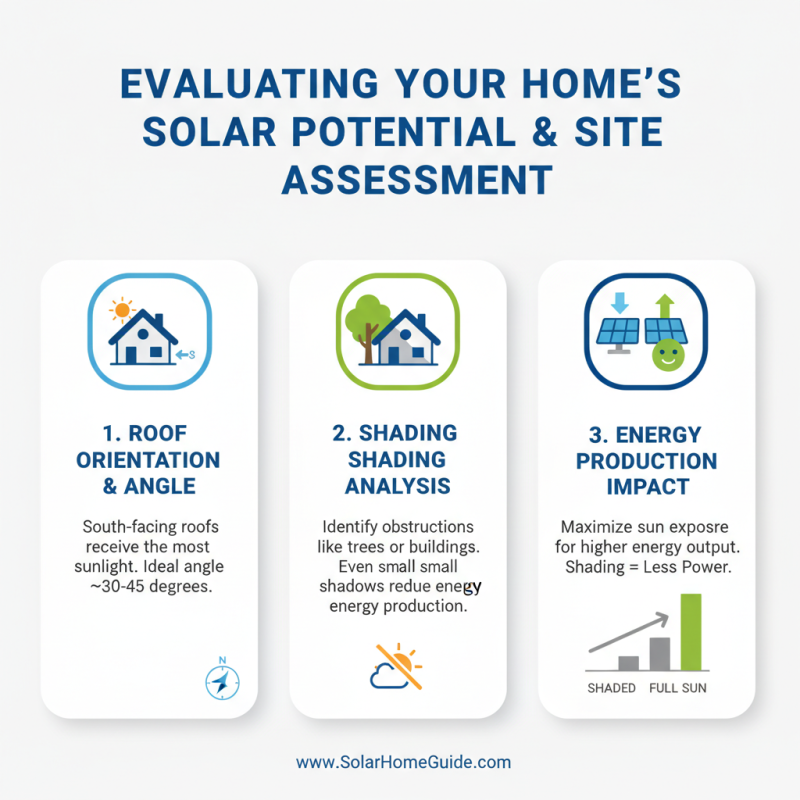
Not all roofs are suitable for solar panels. Factors like shading and orientation directly affect efficiency. Additionally, local regulations can impact installation choices. Research shows that areas with solar incentives see higher adoption rates, yet some homeowners still resist switching to solar. Balancing the costs and benefits requires careful thought, but the potential to harness solar energy effectively remains promising.
Solar Energy Usage in Households
Types of Solar Energy Systems Suitable for Residential Use
When considering solar energy systems for residential use, several types come to mind. Each option caters to different needs and situations. Photovoltaic (PV) systems are the most common. They convert sunlight directly into electricity. They can power your home, reducing reliance on the grid. This can lead to significant savings on electricity bills. Installation usually requires a sturdy roof with good sunlight exposure.
Another option is solar water heating systems. These are less complex and can be very effective. They mainly heat water for domestic use. This type of system can reduce water heating costs significantly. The upfront cost can be less than PV systems, making them an attractive choice.
Off-grid systems are also gaining popularity. These systems enable homeowners to generate their own power without connecting to the utility grid. This can be beneficial in remote areas. However, they often require more energy storage solutions and careful planning. It’s crucial to assess your household's energy needs. Each type of system has its pros and cons, and understanding these can lead to better decisions for your home.
Installation Process for Home Solar Energy Systems
The installation process for home solar energy systems begins with a thorough site assessment. This involves evaluating roof orientation, shading, and structural integrity. The goal is to determine the best spot for solar panels. An ideal location maximizes sunlight exposure throughout the day. It’s crucial to involve a professional for this evaluation. They can spot potential issues that homeowners might miss.
Next, securing the necessary permits is essential. Local regulations can vary significantly. Homeowners should research their area’s requirements. This step can be tedious, but it ensures compliance with safety standards. Once permits are in place, the installation can begin. A qualified team will mount the solar panels on the roof or property. Attention to detail during this stage is vital. Misalignment or improper wiring can lead to inefficiencies.
After installation, testing the system is necessary. This phase verifies that everything operates correctly. Regular maintenance ensures long-term performance. However, some homeowners overlook this aspect and face issues later. Reflecting on the installation process can lead to enhancements for future projects. It’s about learning from experiences to improve efficiency and effectiveness.
How to Harness Solar Energy For Home Use Effectively? - Installation Process for Home Solar Energy Systems
| Step |
Description |
Estimated Time |
Cost Estimate |
| 1 |
Site Assessment |
1-2 days |
$100 - $300 |
| 2 |
Design and Engineering |
1-2 weeks |
$500 - $1,200 |
| 3 |
Permits and Approvals |
1-2 weeks |
$200 - $500 |
| 4 |
Installation |
1-3 days |
$2,000 - $10,000 |
| 5 |
Inspection |
1 day |
$0 - $200 |
| 6 |
System Monitoring |
Ongoing |
$100/year |
Tips for Maintaining Your Solar Energy System for Optimal Performance
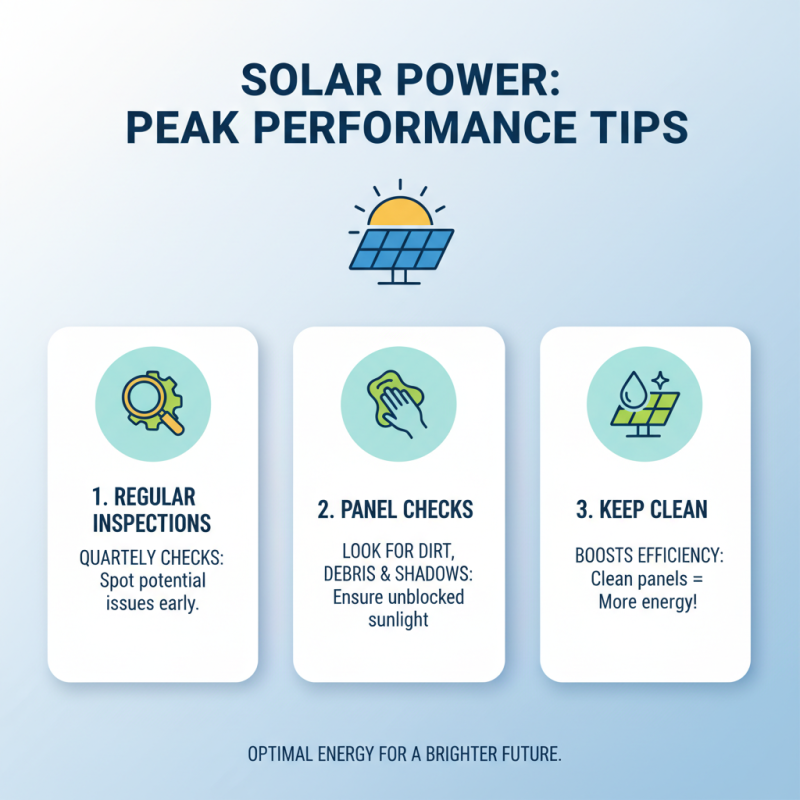
Maintaining your solar energy system is crucial for peak performance. Regular inspections can help identify issues early. Check the solar panels every few months. Look for dirt, debris, or shadows that may block sunlight. Keeping the panels clean boosts energy efficiency.
Battery maintenance is equally important. Ensure batteries are charged properly. Monitor their lifespan regularly. Replace them when performance declines. Neglecting this can lead to power shortages in your home.
Consider the inverter, too. This component converts sunlight into usable electricity. If it malfunctions, energy production drops. Look for warning lights or error messages. Timely repairs can save you from large losses. Overall, stay proactive with your solar energy system. Regular upkeep ensures long-term benefits.