How to Choose Solar Power for Your Home Efficiently?
Choosing solar power for your home is a significant decision. According to the U.S. Energy Information Administration, solar energy accounted for 3% of the country’s total electricity generation in 2021. This number continues to grow, reflecting a shift towards renewable energy. Homeowners are increasingly interested in this eco-friendly option, yet many face challenges in making informed choices.
When considering solar power for your home, the potential for savings must be weighed against initial investment and installation costs. The National Renewable Energy Laboratory indicates that solar panel prices have dropped 90% since 2009. However, not all systems are created equal. Homeowners need to evaluate efficiency ratings, warranties, and local regulations.
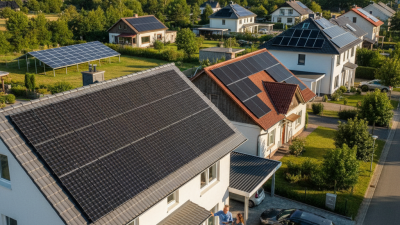
It’s essential to assess your energy needs and available sunlight. Roughly 70 million homes in the U.S. are suitable for solar installations, but factors like shading and roof condition can affect performance. While the benefits of solar power are clear, it's crucial to approach this journey with careful research and realistic expectations. Making well-informed decisions will lead to sustainable energy solutions for your home.
Understanding Your Energy Needs and Usage Patterns
Understanding your energy needs is crucial when choosing solar power for your home. Start by analyzing your monthly electricity bills. Look for peak usage periods and average energy consumption. This helps create a clear picture of your energy needs. Evaluate if your demand fluctuates seasonally or remains stable throughout the year.
Consider how many devices and appliances you regularly use. Each one contributes to your overall energy consumption. For example, air conditioning units and electric heaters can significantly increase your usage. Watching for patterns in your energy usage can reveal potential savings. Sometimes we overestimate our needs, which could lead to oversizing your solar system.
It's also important to reflect on your lifestyle. Do you work from home? Are there times of day when your energy use is minimal? Understanding these habits helps in designing a system that aligns with your consumption. Take time to review your energy practices. This can lead to smarter choices down the line. Seek out local solar experts for detailed assessments. Their insights can ground your decisions in practical reliability and expertise.
Evaluating Different Solar Technologies and Their Benefits
When choosing solar technology for your home, consider the various options available. Each type of solar system has unique advantages. For example, photovoltaic (PV) panels convert sunlight into electricity effectively. They can significantly reduce your energy bills over time and offer a clear return on investment. However, their effectiveness depends on sunlight availability, which can vary by location.
Another option is solar thermal systems. These are designed to harness heat from the sun. They are great for hot water heating and can lower your overall energy consumption. However, they might not be as effective in colder climates. Assessing your local climate is essential when considering this technology.
You may also explore new innovations, like building-integrated photovoltaics (BIPV). They blend seamlessly with roofing materials. This can enhance your home’s aesthetics while providing energy savings. Yet, installation costs may be higher than traditional systems. Keep in mind your budget and energy needs before making a decision. Each choice demands reflection and careful evaluation.
Assessing Your Home’s Roof and Solar Potential
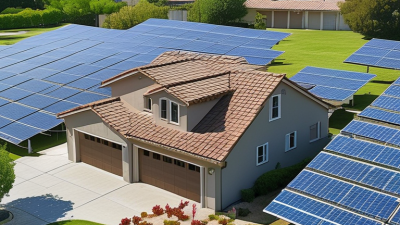
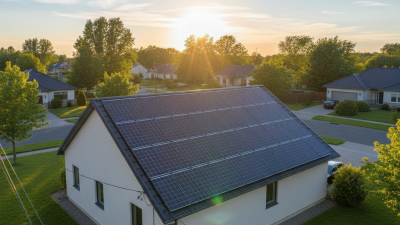
When assessing your home’s roof and solar potential, start with the roof's orientation. South-facing roofs receive the most sunlight throughout the day. This can affect the efficiency of our solar panels. Take note of any obstructions like trees or buildings that might shade your roof.
Consider the angle of your roof too. A pitch between 20 to 30 degrees is generally ideal for solar panels. Not every roof will meet this criteria. Some adjustments may be necessary. You may also want to evaluate the material of your roof. Certain materials reflect more heat and can impact solar efficiency.
Tips:
Check your roof for cracks or leaks before installation. A compromised roof can lead to bigger issues later on. Calculate the square footage available for panels. This helps understand how many panels can fit. Factor in your energy needs and consult with a professional to gain a clearer picture of potential energy savings.
Comparing Solar Providers and Financial Options
When considering solar power for your home, a critical step is comparing solar providers and financial options. The U.S. solar market has grown significantly; in 2022, over 13 gigawatts of solar capacity were installed, representing a 24% increase from the previous year. This growth means various providers offer a broad range of services, prices, and financing solutions.
Research indicates that the right solar provider can reduce installation costs by up to 20%. However, not all providers have equal reputations. Reading customer reviews and industry ratings is essential. Solar providers should be vetted for credibility, local experience, and transparency. Look for those with strong warranties and after-service support.
Financing options are equally various. Homeowners can explore solar loans, leases, and power purchase agreements (PPAs). A study from the Solar Energy Industries Association shows that more homeowners are opting for loans due to potential tax incentives and long-term savings. However, the long-term commitment can be daunting. It's important to calculate whether estimated savings will outweigh the upfront costs. Always analyze multiple options before deciding. This analysis will determine the best fit for your energy needs and financial health.
Comparison of Solar Providers in 2023
Exploring Maintenance and Support After Installation
Maintaining a solar power system after installation is crucial. Regular upkeep ensures optimal performance. According to the National Renewable Energy Laboratory, a well-maintained solar system can produce 20-30% more energy over its lifetime. This increase translates to significant savings on energy bills.
Maintenance involves several aspects, like regular cleaning and inspections. Dust and debris can decrease efficiency. Experts recommend cleaning solar panels every six months, especially in dusty areas. Additionally, technology monitoring systems can alert homeowners to issues before they become costly problems.
Support is equally important. Many homeowners underestimate the importance of warranties and service agreements. Solar systems typically come with warranties ranging from 10 to 25 years. It’s essential to understand what your warranty covers and the process for service calls. A good support network can make a significant difference in resolving issues efficiently. Frequent questions about performance should be addressed promptly to prevent permanent damage.