How to Choose the Right Solar Panel System for Your Home?
Choosing the right solar panel system for your home is crucial. More homeowners are embracing renewable energy. According to the Solar Energy Industries Association (SEIA), solar capacity in the U.S. grew by 22% in 2021 alone. This shift reflects a growing awareness of energy efficiency and sustainability.
When selecting a solar panel system home, consider various factors. The right system can significantly reduce energy bills. In California, for instance, solar energy can save homeowners approximately $20,000 over 20 years. However, many individuals struggle with decision-making. They may feel overwhelmed by options and technical specifications.
It’s essential to evaluate your needs. Start with energy consumption analysis. Expert assessments help identify suitable systems and technologies. The choice between monocrystalline and polycrystalline panels can impact performance and cost. Additionally, reflecting on long-term goals is necessary. Investing in solar is not just a financial decision; it shapes your environmental footprint.
Factors to Consider When Choosing a Solar Panel System
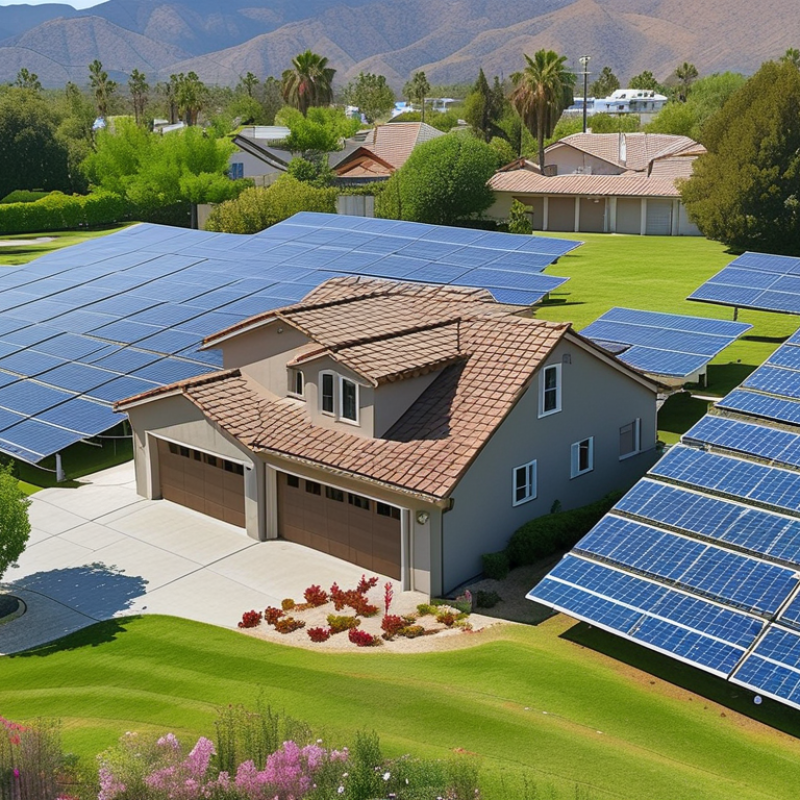
When choosing a solar panel system for your home, several key factors come into play. Assessing your energy needs is crucial. Understand how much energy you consume monthly. This will help you determine the size of the solar system you require. Consider the space available on your roof. It must accommodate the number of panels needed without excessive shading.
The efficiency of the solar panels is another vital aspect. Higher efficiency panels generate more power in less space. Research different types of panels available. Some are more durable and suited for specific climates. Warranty and lifespan are also important. A longer warranty often indicates higher confidence in the product's reliability.
Installation is a step that should not be overlooked. Quality technicians ensure panels are securely placed for optimal performance. It's worth noting that cost is not the only factor. Cheaper systems may underperform. Sometimes, investing a bit more pays off in the long run. Explore available incentives in your area, as they can significantly affect your overall investment.
Types of Solar Panels and Their Benefits
When it comes to solar panels, understanding the different types is crucial. There are three main categories:
monocrystalline,
polycrystalline, and
thin-film.
Monocrystalline panels are known for their high efficiency and sleek design. They usually occupy less space compared to others. In contrast, polycrystalline panels are often less expensive but slightly less efficient. According to the National Renewable Energy Laboratory, polycrystalline systems convert about 15% to 22% of sunlight into energy, depending on quality and manufacturer.
Thin-film panels are another option. They are lightweight and flexible, making them easier to install on various surfaces. However, they are generally less efficient, converting only around 10% to 12% of sunlight. Each type comes with its own benefits and drawbacks. Monocrystalline panels have a longer lifespan, often ranging from 25 to 30 years. Yet, they require a higher upfront investment.
Homeowners should also consider local climate conditions. For instance, areas with limited sunlight might benefit more from high-efficiency panels. On the other hand, if budget is a constraint, polycrystalline panels may be a viable option. It's important to weigh the long-term savings against initial costs when making a decision. Careful evaluation of panel types can lead to optimal energy solutions tailored to personal preferences.
Evaluating Your Home's Energy Needs for Solar Solutions
When evaluating your home's energy needs for solar solutions, the first step is to conduct an energy audit. This process assesses your energy consumption patterns and identifies areas for improvement. Check your utility bills for the last year. This data provides insights into your monthly usage. It might be surprising to see peaks during certain seasons or months.
Consider the household appliances you use. Refrigerators, air conditioners, and heating systems can consume significant amounts of energy. Calculate their wattage and usage hours. Understanding these details helps in determining the right size for your solar panel system. Maybe you’ll notice high usage that could be reduced with more energy-efficient appliances.
Lastly, think about your future plans. Are you considering adding new devices or expanding your family? Anticipating these changes is crucial. An effective solar system should accommodate future energy needs, not just current ones. Balancing today's requirements with tomorrow's expectations can lead to a more sustainable solution. Taking time to think this through ensures you invest in an adequate system.
Understanding Solar Incentives and Financing Options
When considering solar panel systems, understanding financing options is crucial. Many homeowners are unaware of the incentives available. Federal tax credits can significantly reduce installation costs. States also offer grants and rebates to encourage solar adoption. Researching local programs can reveal hidden savings.
Financing can be flexible, with options like solar loans or leases. Some homeowners opt for loans that cover the entire upfront cost. Others might choose to lease the system, paying a monthly fee instead. Each approach has pros and cons. Homeowners should evaluate what works best for their budgets and energy needs.
Many financing choices come with specific requirements or limits. For instance, credit scores can affect loan terms. Also, some incentives have deadlines, so timely applications are essential. Engaging with local solar experts can provide insights tailored to your situation. They often know the nuances of available incentives and financing models. Understanding these aspects can make or break your solar journey.
How to Choose the Right Solar Panel System for Your Home?
| Feature |
Standard Option |
Premium Option |
Super Premium Option |
| Panel Efficiency |
15-17% |
18-20% |
21%+ |
| Warranty |
10 years |
15 years |
25 years |
| Cost per Watt |
$2.50 - $3.00 |
$3.00 - $3.50 |
$3.50+ |
| Inverter Type |
String Inverter |
Microinverter |
Power Optimizers |
| Installation Complexity |
Standard Roof |
Flat Roof |
Ground Mount |
| Financial Incentives |
30% Federal Tax Credit |
State Incentives |
Rebates & Grants |
Installation and Maintenance Considerations for Solar Systems
When considering the installation of a solar panel system, it’s essential to evaluate both installation and maintenance factors. A report by the National Renewable Energy Laboratory (NREL) highlights that proper installation can improve efficiency by up to 30%. Ensuring panels are oriented towards the sun and cleared of debris enhances performance. Regular inspections are vital; even minor shading can reduce output significantly.
Maintenance is not always straightforward. Homeowners often overlook cleaning needs, yet dust and dirt can decrease efficiency by 20% in some regions. Additionally, while many systems are designed to be durable, components may still require replacement after 25 years. Tracking performance regularly and scheduling periodic professional checks can help identify issues early.
Cost is another consideration. According to the Solar Energy Industries Association (SEIA), ongoing maintenance costs can average around $100 annually. Homeowners need to weigh these costs against energy savings. Ignoring these factors may lead to unexpected expenses or diminished solar system performance. It's crucial to stay informed and proactive regarding both installation and maintenance.