MH Energy Your Better Solar and Energy Partner

China has emerged as a leader in solar power technologies. Its advancements in solar power generators contribute significantly to sustainable energy solutions. Solar power generators harness sunlight efficiently, providing clean energy for homes and industries. However, the journey towards a fully sustainable energy framework is not without its challenges.
The rapid growth of solar energy in China faces hurdles. These include resource management and environmental impact concerns. Each solar power generator has different efficiency ratings and potential drawbacks. Understanding these factors is crucial for consumers and businesses alike. The balance of innovation and responsibility must be maintained.
China's commitment to renewable energy shows promise. Yet, the reliance on solar power generators requires scrutiny. Stakeholders must evaluate the long-term effects of widespread solar adoption. Thoughtful integration and continuous improvement are essential for achieving a sustainable future.
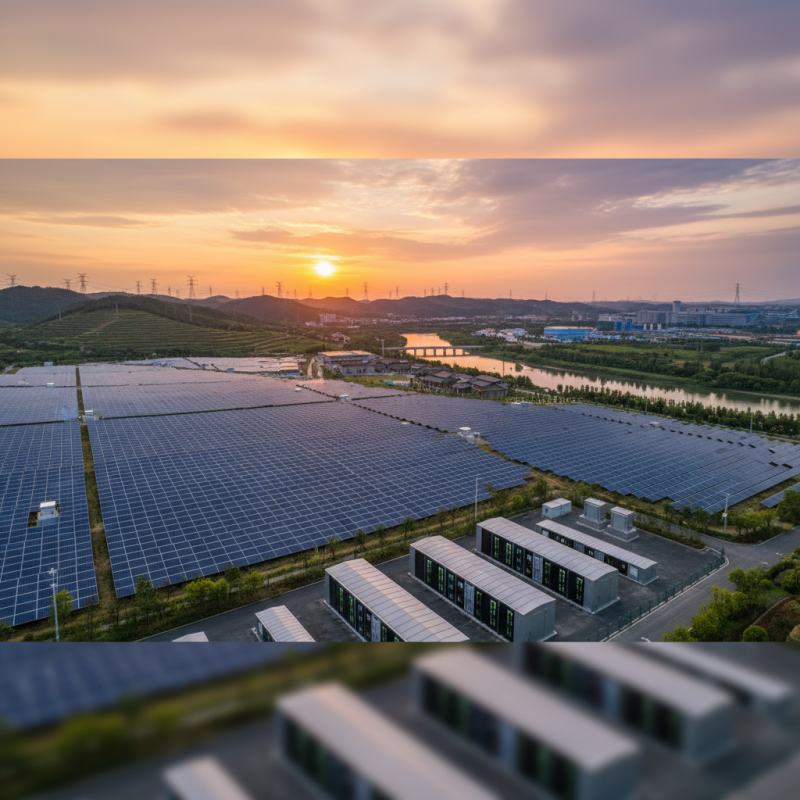
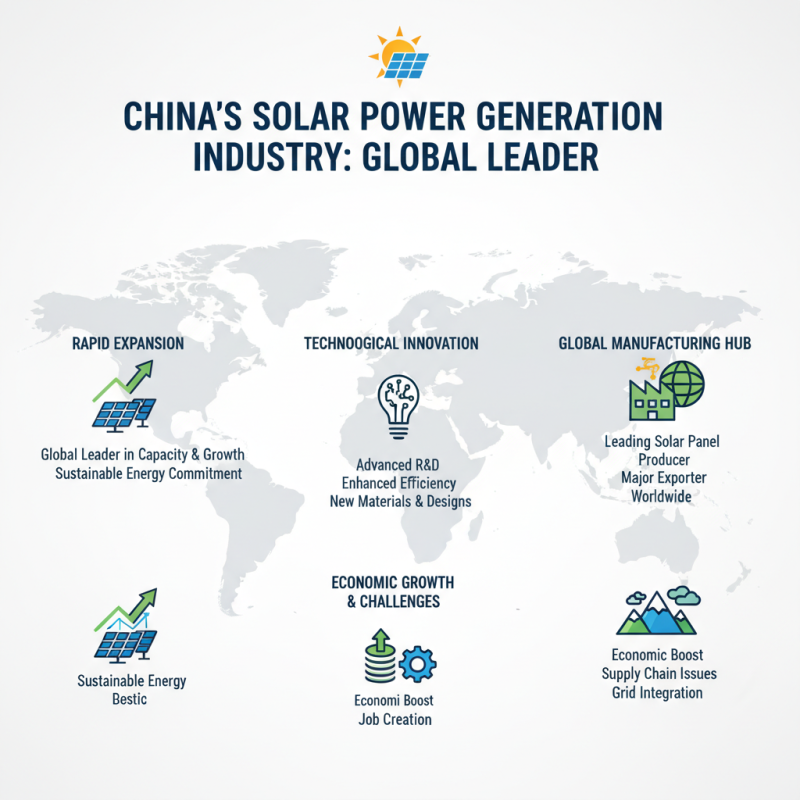
China's solar power generation industry is a global leader. The rapid expansion in recent years showcases its commitment to sustainable energy. Innovation plays a crucial role. Advanced technologies are continually developed to enhance efficiency. The country produces a significant portion of the world's solar panels. This commitment spurs rapid economic growth, yet challenges exist.
Despite impressive advancements, the industry faces several obstacles. Manufacturing processes can be resource-intensive, leading to environmental concerns. The recycling of old solar panels remains a pressing issue. Furthermore, grid integration poses additional complexities. These issues highlight the need for more sustainable practices and innovative solutions.
China's focus on solar energy significantly impacts global markets. However, continuous improvement is essential. Balancing growth with environmental responsibility is a complex task. The industry must adapt and find ways to innovate sustainably. This journey requires careful consideration and collaboration among stakeholders.
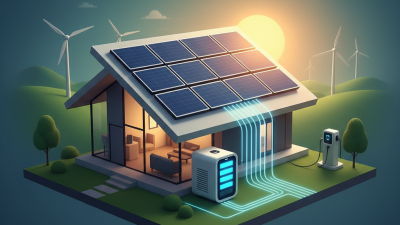
China has emerged as a leader in the solar power industry. In 2022, the country's solar generation capacity exceeded 300 GW, accounting for almost 30% of the global total. Key players in this sector include large manufacturers and technology firms. These companies are critical to China's aggressive renewable energy goals.
However, the market is not without challenges. Issues like supply chain disruptions and raw material shortages have impacted production. The reliance on imports for critical components can pose risks. According to the International Energy Agency, the growth of solar technology depends heavily on stable supply chains. Companies must navigate these complexities to remain competitive.
Industry reports indicate that innovations in solar panel technology are vital. Enhanced efficiency and reduced costs are essential for widespread adoption. Nevertheless, some firms still struggle with research and development. The gap between leading companies and others remains significant. Overall, the landscape is dynamic, with both opportunities and hurdles ahead.
China is at the forefront of solar energy generation, utilizing innovative technologies that push the boundaries of efficiency. According to the International Energy Agency (IEA), China's solar capacity reached over 250 gigawatts in 2022, contributing to roughly 30% of the world’s total. New developments in photovoltaic (PV) materials are enhancing energy conversion rates. Perovskite solar cells, for instance, promise efficiencies exceeding 25%, significantly more than traditional silicon-based cells.
However, there are challenges to consider. The manufacturing process of perovskite cells can be complicated, with stability issues affecting long-term performance. Moreover, the recycling and disposal of solar panels remain significant concerns, as outlined in a report by the International Renewable Energy Agency (IRENA). The expected increase in solar panel waste could reach 78 million tons by 2030. Finding sustainable solutions for this waste is becoming increasingly urgent.
Emerging technologies, such as bifacial solar panels, also show promise. They can capture sunlight from both sides, improving overall energy yield. As reported by Wood Mackenzie, the adoption of bifacial technology can enhance energy generation by 10-20%. Despite these advancements, continuous research is essential to address ongoing challenges, ensuring that solar energy remains a truly sustainable energy source.
| Technology Type | Efficiency (%) | Cost per Watt (USD) | Lifespan (Years) | Environmental Impact |
|---|---|---|---|---|
| Monocrystalline | 20-22 | 0.50 | 25 | Low |
| Polycrystalline | 15-17 | 0.45 | 25 | Moderate |
| Thin Film | 10-12 | 0.30 | 20 | High |
| Bifacial | 19-21 | 0.55 | 30 | Low |
Government policies play a crucial role in promoting solar energy development in China. The country's commitment to renewable energy is evident in its ambitious goals. By 2030, China aims for solar power to contribute 30% of its total energy capacity. This target reflects the government's investment in green technology to combat climate change.
Subsidies and incentives are vital for this progress. Reports indicate that in 2022, about 50% of new energy investments came from government backing. However, challenges exist. Some regions face bureaucratic delays in project approvals. This inconsistency can hinder development and investor confidence. Furthermore, while capacity is expanding, the integration of solar power into the existing grid remains complex.
Quality of manufacturing also raises concerns. Many new companies emerge, but not all meet high standards. The government's regulatory framework addresses this issue, emphasizing quality control. Continuous assessment of these policies is necessary to ensure sustainability in the solar energy sector. The road ahead requires collaboration between all stakeholders for a successful transition to renewable energy.
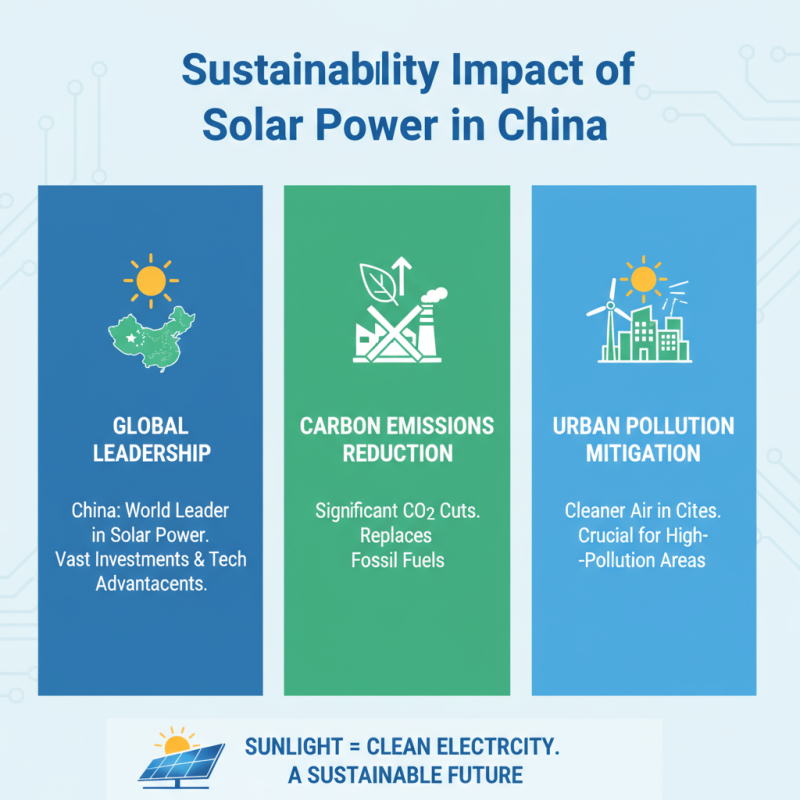
China has emerged as a leader in solar power generation due to its vast investments and advancements in technology. This growth contributes significantly to sustainability efforts. Significant reductions in carbon emissions are achieved through solar energy adoption. Solar panels convert sunlight into electricity, reducing reliance on fossil fuels. This transition is crucial, especially in urban areas where pollution levels are high.
While the impact is largely positive, challenges remain. For example, the production of solar panels involves complex processes that can be detrimental to the environment. Resources such as silicon require extensive mining. Additionally, end-of-life disposal of panels raises concerns about waste management. These issues demand careful consideration as China pushes forward in solar energy initiatives.
The social implications are equally important. Many communities gain jobs from solar plant operations. However, not all areas benefit equally. Smaller regions often miss out, leading to economic disparities. As China continues to innovate, it is essential to address these gaps to ensure that solar power contributes to a truly sustainable future for all.