10 Essential Tips for Choosing the Right On Grid Solar System
Choosing the right On Grid Solar System is essential for maximizing energy efficiency and reducing utility bills. With numerous options available, making an informed decision can be challenging. Each system has unique features, making it crucial to understand your specific needs before purchasing.
Investing in an On Grid Solar System involves considering various factors like location, energy consumption, and budget. These systems connect directly to the grid, allowing you to sell excess power back to the utility. However, not all systems perform equally in different environments. You need to evaluate the technology, warranty, and installation services offered by different providers.
While it's easy to be overwhelmed by choices, taking time to research and reflect is vital. Assess your energy goals and understand what each option offers. Online reviews and expert opinions can provide valuable insights. Remember, the right system can enhance your energy independence and reduce carbon footprint, but making the wrong choice may lead to regrets.

Understanding On-Grid Solar Systems and Their Benefits
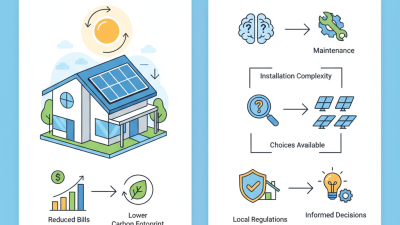
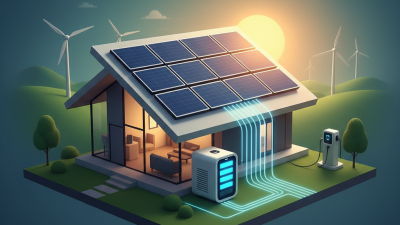
On-grid solar systems connect directly to the utility grid. These systems offer various benefits, making them popular among homeowners. They allow you to utilize solar energy while remaining connected to conventional electricity. If your solar power generation exceeds your usage, you may even send excess power back to the grid.
Understanding these systems is crucial before making a choice. One essential aspect is the potential for cost savings. Many users report reduced electricity bills over time. However, there can be challenges. Theft or damage can affect your solar panels, leading to unexpected costs. Additionally, reliance on the grid means you may not be entirely energy independent.
It's important to consider the local regulations attached to on-grid systems. Policies and incentives can vary significantly in different areas. Researching your options can seem overwhelming. However, it’s vital to ensure that the system you choose aligns with your energy goals and local requirements. Assessing all these factors can help you make a more informed decision.
Assessing Your Energy Needs and Consumption Patterns
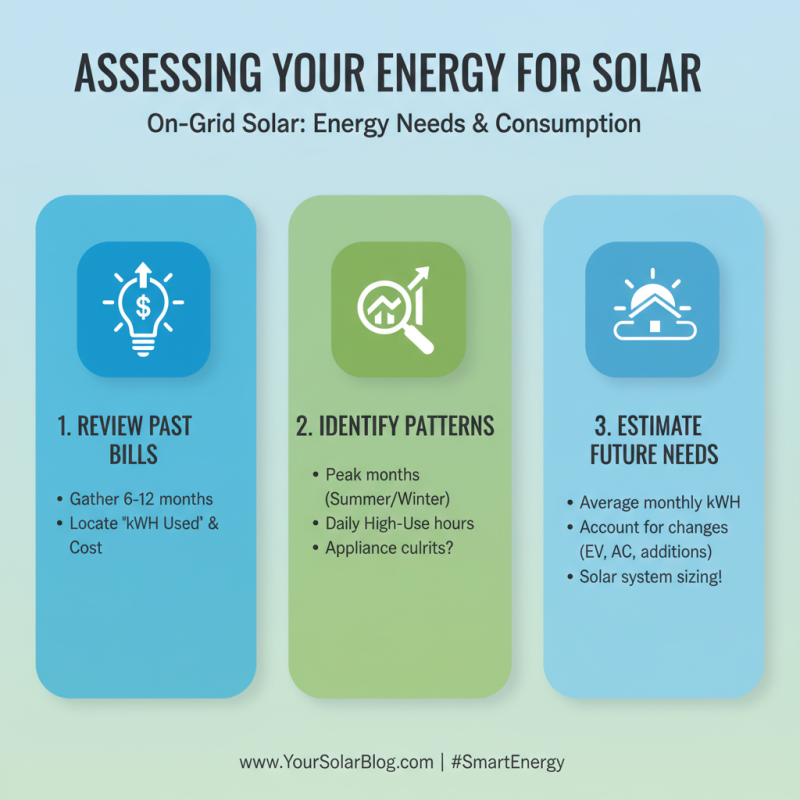
When considering an on-grid solar system, assessing your energy needs is critical. Start by reviewing past electricity bills. Look for patterns in your energy use. Are there peak months when consumption is high? You can identify trends and better estimate your future needs.
Understanding your household's consumption patterns is essential. Are there times when energy use spikes? Consider factors like home appliances, heating, and cooling systems. Take note of how many devices you use regularly. This data informs the capacity of the solar system you need. Remember, too much capacity can lead to wasted energy.
The right system can save you money, but it requires careful thought. Some people find it challenging to project their future energy usage. This uncertainty can lead to over or under-sizing the system. Reflect on your lifestyle changes. Do you plan to add new appliances or increase use in the future? These considerations will influence your decisions. Make sure to adjust for your specific lifestyle.
Exploring Different Types of On-Grid Solar Panels Available
When choosing an on-grid solar system, it is vital to understand the different types of solar panels available. Mono-crystalline panels are known for their high efficiency. They work well in limited spaces. However, they can be more expensive. If budget is a concern, polycrystalline panels offer a cost-effective alternative. Their efficiency is slightly lower, but they perform well under various conditions.
Thin-film solar panels are another option to consider. They are lightweight and flexible, making them suitable for unconventional installations. Yet, they usually have lower efficiency and require more space. Each type has its benefits and drawbacks. Assessing your energy needs is crucial.
Consider energy output and space when selecting a panel. Efficiency ratings play a significant role in overall performance. Think about installation costs as well. Do not forget to check warranty periods too. A longer warranty often indicates confidence in a product. Ultimately, a thorough analysis helps in making an informed decision. Remember, the right choice can maximize your energy savings.
10 Essential Tips for Choosing the Right On Grid Solar System
| Type of Solar Panel |
Efficiency (%) |
Warranty (Years) |
Cost per Watt (USD) |
Ideal Usage |
| Monocrystalline |
15-22% |
25 |
$0.80 - $1.50 |
Residential, Commercial |
| Polycrystalline |
13-17% |
25 |
$0.70 - $1.20 |
Residential, Small Scale |
| Thin-Film |
10-13% |
20 |
$0.50 - $1.00 |
Large Scale, Roofs with Space Limitations |
| Bifacial |
15-23% |
30 |
$1.00 - $1.70 |
Commercial, Utility Scale |
| Building Integrated Photovoltaics (BIPV) |
10-15% |
20 |
Varies |
Architectural, Aesthetic Installations |
Choosing a Qualified Installer for Your On-Grid Solar System
When selecting an installer for your on-grid solar system, experience is key. Look for companies with a strong history in solar installations. This often indicates reliability and expertise. Check their track record to assess customer satisfaction. Ask for references and testimonials to gauge their performance.
Verify their qualifications and certifications. A qualified installer should possess relevant licenses and training. This shows they understand local regulations and safety standards. Don’t hesitate to ask about their process. A detailed explanation can reveal their attention to quality.
Consider the size of their team. Larger teams may handle projects more efficiently but may sacrifice personal service. Smaller teams might provide more tailored experiences but could be limited by resources. Contemplate the balance that suits your needs. Pricing is important, but the cheapest option may come with hidden costs. Always read the contract carefully, and clarify unclear terms. This diligence can prevent future issues.