Why Choose Solar Power Panels For Home Energy Savings?
In recent years, the shift toward renewable energy has become more than just a trend. Solar Power Panels For Home provide homeowners with a sustainable energy solution. They harness energy from the sun, reducing utility bills and carbon footprints. Many families have already embraced this technology, yet some still hesitate.
Investing in solar energy is more than a financial decision; it's a lifestyle change. Homeowners often report the satisfaction of using clean energy. However, some may misunderstood the initial costs involved. The truth is, while there is an upfront investment, the long-term savings can be significant. Challenges in finding the right installation services may also arise.
Choosing Solar Power Panels For Home does require some careful planning. Evaluating your home’s energy needs is crucial. Each house has unique features affecting solar efficiency. Not every panel suits every roof type. Reflecting on these details ensures a more informed investment in solar power, ultimately benefiting the homeowner's energy strategy.
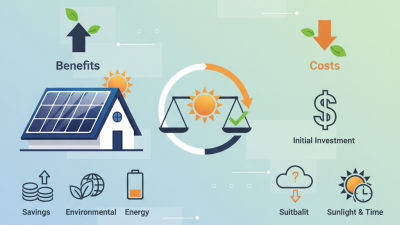
Benefits of Solar Power Panels for Home Energy Savings
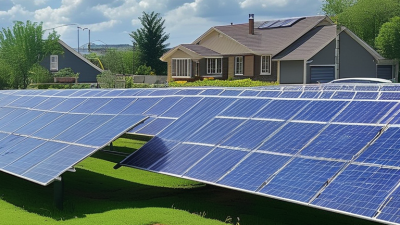
In recent years, solar power panels have gained popularity among homeowners seeking energy savings. By harnessing sunlight, these panels convert solar energy into electricity. This technology is not only environmentally friendly but also cost-effective over time. Homeowners can significantly reduce their monthly utility bills.
The benefits of solar panels extend beyond savings. They can increase property value. A home equipped with solar technology often becomes more attractive to potential buyers. Additionally, many areas offer tax incentives for solar panel installation. However, the initial investment can be daunting for some. It’s essential to evaluate long-term savings against upfront costs.
Moreover, solar energy provides independence from rising electricity prices. Once installed, solar panels require minimal maintenance. A simple cleaning routine is usually enough to keep them efficient. Yet, homeowners should be aware of potential limitations, such as reduced efficiency on cloudy days. Balancing the pros and cons is crucial. Understanding these factors will help make an informed decision about solar power for home energy savings.
Understanding How Solar Power Works and Its Efficiency
Solar power panels have gained popularity as a reliable energy source for homes. Understanding how solar power works is crucial for homeowners looking to save on energy costs.
Solar panels convert sunlight into electricity through photovoltaic cells. These cells capture sunlight and generate direct current (DC) electricity. An inverter then converts it to alternating current (AC), which powers home appliances.
Efficiency is a key factor in solar energy systems. The average solar panel can convert about 15-20% of sunlight into usable electricity. This means that not all sunlight is transformed into energy. Homeowners should evaluate their roof's angle and sunlight exposure to maximize efficiency. Even small obstructions from trees or buildings can hinder performance. It's essential to consider these factors before installation.
Despite advancements, solar energy isn't without challenges. Initial installation costs can be high, and not every home is suitable for solar panels. Maintenance is also required to ensure panels remain clean and effective. Homeowners must weigh these aspects when considering solar power. Continuous evaluation of energy needs and system performance is necessary for optimal savings.
Cost Analysis: Initial Investments vs. Long-term Savings
When considering solar power panels, the cost analysis is crucial. Many homeowners hesitate due to the initial investment. Solar panel installation can be pricey, with costs often ranging from a few thousand to tens of thousands of dollars. This upfront expense can seem daunting, particularly for families on tight budgets. However, understanding the long-term savings helps put things into perspective.
Once installed, solar power panels can drastically reduce monthly energy bills. After the first few years, many homeowners notice significant savings. The electricity generated can offset utility costs. Additionally, in some regions, surplus energy can be sold back to the grid. Over a period of 20 to 25 years, the cumulative savings often surpass initial expenses.
Yet, this optimism can be clouded by uncertainty. The efficiency of solar panels varies by location and environmental conditions. Some homeowners may find their actual savings less than projected. It’s essential to assess one’s home and energy needs thoroughly. Each home’s unique characteristics can influence performance. Thoughtful planning and realistic expectations are key for those considering solar energy.
Environmental Impact of Switching to Solar Energy
Switching to solar energy significantly benefits the environment. Solar panels generate clean electricity, reducing reliance on fossil fuels. They help decrease harmful emissions, which contribute to climate change. This shift can lower your carbon footprint. Homeowners can play a crucial role in promoting sustainability by choosing solar power.
Solar panels require energy to manufacture. However, they produce far more energy than they consume over their lifetime. It typically takes three to four years for a solar panel to offset the energy used in its production. Once operational, they provide renewable energy for decades, creating a positive environmental impact.
While solar technology is improving, challenges remain. Not every home is suited for solar panels due to design, location, or shading. It's also important to consider energy storage solutions for cloudy days. These nuances must be addressed to maximize the benefits of solar energy and make informed decisions for a sustainable future.
Government Incentives and Tax Benefits for Solar Panel Installation
Government incentives can significantly lower the cost of solar panel installation. Many tax credits are available for homeowners. These financial benefits help make solar energy more accessible. In some states, you may receive a tax reduction based on your solar panel investment. This can amount to thousands of dollars in savings.
Local and federal programs often provide rebates as well. These rebates further reduce installation costs upfront. Homeowners can also consider net metering programs. They allow you to sell excess power back to the grid. This can offset future energy bills, thus increasing your savings over time.
However, navigating incentives can be complex. Each state has different rules and regulations. Keep an eye on changing policies to maximize benefits. Researching the latest updates is crucial. Engaging with local solar energy experts can help clarify available options. Although government aid may not cover all costs, it plays a vital role in energy efficiency.
Energy Savings from Solar Power Panels
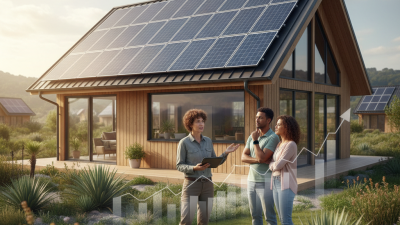
Installing solar power panels can significantly enhance your home energy savings. As demonstrated in the chart, homeowners can experience a substantial increase in monthly energy savings after the installation of solar panels. With government incentives and tax benefits available, transitioning to solar power has never been more cost-effective.