MH Energy       Your Better Solar and Energy Partner
Leave Your Message

2026 Best PV System for Global Buyers What to Look For?

Choosing the right PV system is crucial for global buyers in 2026. As the demand for renewable energy surges, understanding what to look for becomes vital. A well-chosen PV system not only enhances energy efficiency but also maximizes savings.

Buyers should focus on several aspects, including the system's reliability, efficiency ratings, and warranty terms. Features such as installation ease and customer support cannot be overlooked. Reliable and high-quality components lead to better performance and durability. However, some products marketed as premium may not live up to expectations.

It’s essential to research manufacturer credibility and user reviews. Not all brands provide equal quality or service. This decision impacts home energy costs for years. Hence, careful reflection on each option can prevent future complications. A thorough understanding of available choices will empower buyers to make informed decisions.
2026 Best PV System for Global Buyers What to Look For?

Key Features to Consider When Selecting a PV System

When selecting a photovoltaic (PV) system, buyers must consider several key features. Efficiency is paramount. A system's efficiency determines how well it converts sunlight into usable energy. High-efficiency panels can generate more electricity, saving space and potentially reducing costs. However, efficiency ratings can vary. Understanding these differences can be overwhelming for buyers.

Durability is another crucial factor. PV systems must withstand harsh environmental conditions. Look for materials that resist corrosion and extreme temperatures. Longevity of a system impacts the total investment over time. Buyers should inquire about warranties and performance guarantees. This reflects the manufacturer's confidence in their product.

Performance monitoring systems can enhance a buyer's experience. They provide real-time data, helping users optimize energy production. Yet, the complexity of these systems can be daunting for some. Users should consider their comfort level with technology. The installation process is equally important. It requires skilled professionals to ensure optimal performance. A poorly installed system may lead to inefficiencies. Balancing all these features requires careful thought and reflection.
Understanding Different Types of PV Systems Available in 2026

As we approach 2026, understanding the different types of photovoltaic (PV) systems becomes essential for buyers. There are various types available, tailored to different needs and environments. Grid-tied systems are common. They connect to the existing electricity grid and allow for power exchange. This can reduce energy bills, but it relies heavily on grid availability.

Off-grid systems are an alternative. They offer independence from utility companies. These are ideal for remote locations. However, they require battery storage, which adds complexity. Hybrid systems combine both approaches. They provide flexibility but also require careful maintenance. Each type has its own benefits and downsides.

Additionally, consider the mounting options. Roof-mounted systems save space, while ground-mounted systems can be more efficient. But installation costs vary significantly. Potential buyers need to evaluate local regulations. These can impact the feasibility of certain installations. It's crucial to conduct thorough research before making decisions. Reflecting on specific site conditions and energy needs can prevent costly mistakes.

2026 Best PV System for Global Buyers - What to Look For?

PV System Type Efficiency (%) Cost per Watt (USD) Lifespan (Years) Best Use Case
Monocrystalline 20-23 0.80 - 1.20 25-30 Residential, Commercial
Polycrystalline 15-20 0.70 - 1.00 20-25 Large Scale, Utility
Thin-Film 10-12 0.50 - 0.70 10-20 BIPV, Large Area Applications
Building-Integrated PV (BIPV) 15-20 1.00 - 1.50 20-25 Architectural Applications

Evaluating Efficiency Ratings for Solar Panels and Inverters

When evaluating solar panels and inverters, efficiency ratings play a crucial role. Industry experts agree that higher efficiency leads to better performance and greater energy output. According to the National Renewable Energy Laboratory, the top-tier solar panels currently achieve efficiencies exceeding 22%. This high efficiency means more energy capture per square foot, which is vital for limited installation spaces.

Inverters convert the collected solar energy into usable power. A reliable inverter should have an efficiency rating above 95%. Research shows that high-quality inverters can lead to significant improvements in overall system performance. However, not all models perform equally in various conditions, such as high temperatures or partial shading.

Buyers should also consider warranties and longevity. Manufacturers often provide warranties of 10 to 25 years on panels and inverters. Reliable products generally correlate with better long-term performance. Be cautious of overly optimistic claims. Consulting professional reviews and independent studies can provide valuable insights. Engaging with industry experts can also help buyers avoid common pitfalls in their solar purchases.

Assessing Warranty and Support Options for PV Systems

When choosing a photovoltaic (PV) system, warranty and support options are crucial. A strong warranty shows confidence in product longevity. Look for warranties that cover both performance and product integrity. Often, long-term warranties last 20-25 years. This duration suggests reliability. However, be mindful of what is covered. Some warranties may exclude certain damages, limiting protection.

Support options are equally important. Effective customer service can enhance your experience significantly. Ideally, a provider should offer timely responses and technical assistance. Check if the installation and maintenance services are included in their package. An informed support team can guide you through any challenges. Think about the potential complexities of your system. Extensive support may be needed for troubleshooting.

Consider industry certifications as well. They often imply adherence to safety and quality standards. Research third-party reviews to gauge user satisfaction. This can provide insights into real-world performance. Be cautious, as not all systems or support options live up to expectations. Weigh your choices carefully, as even reputable brands can have gaps.

Analyzing Costs and Long-Term Savings of Solar Investments

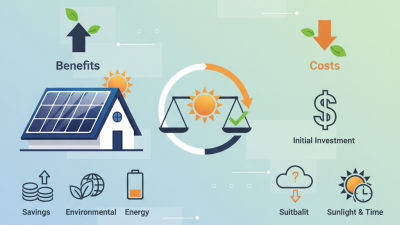
Investing in solar energy systems is more than just a trend; it’s a financial decision that can yield significant long-term savings. Before purchasing a photovoltaic (PV) system, buyers should understand the up-front costs and the potential for savings. A well-planned investment can lead to a lower electricity bill and even energy independence.

The initial cost of solar panels can vary widely. Local installation fees, government incentives, and the type of technology significantly impact expenses. It’s important to read the fine print. Many factors can affect overall savings: maintenance needs, efficiency rates, and local sunlight availability. A thorough analysis is required.

Some buyers might face unexpected challenges. Sometimes, installation issues can arise. If the system doesn’t perform as expected, savings may diminish. Consider consulting multiple sources for reliable data before making a commitment. Long-term savings depend on choosing the right system for your needs and location, but risks remain. Therefore, good research and reflection on personal energy needs are vital steps.