How to Use Solar Energy for Home Savings and Benefits?
As more homeowners turn to renewable energy solutions, "Solar Energy For Home" is becoming a popular topic. According to Dr. Emily Carter, a leading expert in solar technology, "Harnessing solar energy can significantly reduce energy bills and impact the environment positively." This statement highlights the potential benefits of adopting solar systems at home.
The rising costs of electricity make solar energy an attractive option. Homeowners can harness sunlight to power their daily needs. With advances in solar technology, systems have become more efficient and affordable. However, the initial investment can still be daunting. Many still question the long-term savings versus upfront costs.
Embracing “Solar Energy For Home” requires careful consideration. While solar panels can save money over time, some homes may face limitations. Factors like roof orientation and local regulations can complicate installation. Homeowners should weigh these challenges against the environmental and financial benefits of going solar.
Understanding Solar Energy: Basics and Technology Explained
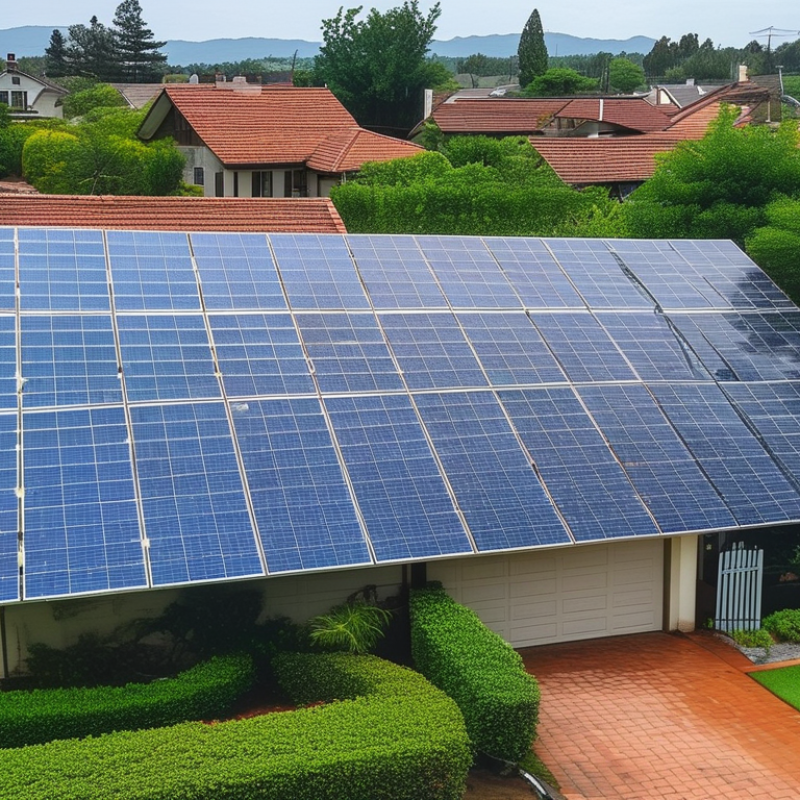
Solar energy harnesses the power of the sun to generate electricity, reduce utility bills, and lower carbon emissions. Solar panels convert sunlight into usable power for homes. This process begins with photovoltaic cells, which absorb sunlight and convert it to electricity. Homeowners can benefit significantly from this technology, making it a growing choice in renewable energy.
Understanding solar energy technology requires exploring its components. Solar panels, inverters, and batteries work together to provide clean energy. Panels capture sunlight, while inverters convert it into usable electricity. Batteries store excess energy for nighttime use. The efficiency of solar panels has improved but can still vary based on weather and location. Some homeowners face challenges with installation costs and maintenance.
Transitioning to solar energy isn’t without issues. Initial investment can be high, and not every home is suited for solar panels. Moreover, solar energy production can fluctuate seasonally. These factors highlight the importance of thorough research and planning. By addressing these challenges, homeowners can make informed decisions about adopting solar energy solutions.
The Financial Benefits of Installing Solar Panels at Home
Solar energy can lead to significant financial benefits for homeowners. A study by the National Renewable Energy Laboratory found that installing solar panels can increase a home’s value by approximately 4%. For a typical home, this could translate to an additional $15,000 in equity. With ongoing advancements in solar technology, many systems can provide a return on investment in five to seven years.
Government incentives further enhance these financial gains. The federal solar tax credit currently allows homeowners to deduct a significant percentage of their installation costs from their federal taxes. According to a report from the Solar Energy Industries Association, these credits can cover nearly 26% of installation expenses, making solar more accessible.
Despite these advantages, challenges remain. Not all homes are suitable for solar installations, especially those with limited roof space or significant shading. Maintenance costs, while generally low, can add unexpected expenses over time. Homeowners must consider both upfront and ongoing costs to truly assess long-term savings. Each installation is unique. It's essential to evaluate your specific circumstances carefully for the best results.
How Solar Energy Reduces Monthly Utility Bills Effectively
Solar energy has become a viable option for homeowners seeking to cut down on their monthly utility bills. It offers a sustainable solution that not only benefits the environment but also saves money over time. By harnessing solar power, homeowners can significantly reduce their reliance on traditional electricity sources. This shift often leads to lower utility bills, especially in sun-rich regions where solar panels can produce ample energy.
Investing in solar energy systems may seem daunting, but many financial incentives exist. Federal tax credits and state rebates can alleviate upfront costs. While some homeowners may worry about the initial investment, the long-term savings often justify the expense. In fact, many families report seeing reductions in their utility bills of up to 50% or more after installation.
It’s worth noting that solar energy production varies with weather conditions and seasons, which can affect savings. Homeowners should conduct thorough research to choose suitable systems for their specific needs. Monitoring energy production and adjusting habits can further enhance savings. Embracing solar energy is not just a trend; it’s a smart financial decision that reflects responsibility toward our planet and future generations.
How to Use Solar Energy for Home Savings and Benefits? - How Solar Energy Reduces Monthly Utility Bills Effectively
| Benefit |
Description |
Estimated Savings ($/month) |
Environmental Impact |
| Lower Utility Bills |
Solar panels convert sunlight into electricity, reducing reliance on grid power. |
$100 |
Decreased carbon footprint |
| Tax Incentives |
Federal and state tax credits are available for home solar installations. |
$150 |
Promotes renewable energy usage |
| Increased Home Value |
Homes with solar energy systems can sell for more than those without. |
$50 |
Encourages sustainable living |
| Low Maintenance Costs |
Solar systems generally require minimal maintenance over their lifetime. |
$20 |
Less waste in landfills |
| Energy Independence |
Solar energy reduces dependence on fossil fuels and utility companies. |
$30 |
Supports local energy solutions |
Government Incentives and Tax Rebates for Solar Panel Installation
Government incentives and tax rebates play a crucial role in making solar energy more accessible. Many homeowners can significantly reduce installation costs through these programs. For example, the federal tax credit allows you to deduct a percentage of your solar installation costs from your taxes. This benefit can result in thousands of dollars in savings. State and local incentives often complement the federal credit, providing additional financial support tailored to your region.
However, navigating these incentives can be complex. Each program has specific requirements, deadlines, and eligibility criteria. Sometimes, the information can be overwhelming. It's essential to research and understand local regulations. Working with a knowledgeable solar installation professional can help clarify available options. They can guide you through the maze of paperwork and application processes.
Homeowners must also remember that while incentives reduce costs, they do not cover everything. Maintenance and potential repairs are ongoing expenses. These factors should be part of your financial planning. Balancing immediate benefits with long-term commitments is key to maximizing solar energy's value at home. Being informed and proactive allows you to make the best decisions for your energy future.
Tips for Maximizing Energy Efficiency with Solar Power Solutions
Investing in solar energy can significantly reduce home energy costs. According to the U.S. Department of Energy, homeowners can save an average of $10,000 over 20 years by using solar panels. These savings vary by region and energy needs. Maximizing energy efficiency with solar solutions is crucial for realizing these benefits.
One effective strategy is to conduct an energy audit. This helps identify areas where energy is wasted. Simple actions like sealing leaks and adding insulation can enhance your home's efficiency. The Solar Energy Industries Association (SEIA) notes that homes with high energy efficiency get the most out of solar installations. In some cases, a well-optimized home may require fewer solar panels, reducing overall costs.
Choosing the right solar technology matters, too. Different systems have varying efficiency ratings. Research shows that high-efficiency solar panels can convert up to 22% of sunlight into electricity. However, investing in premium technology may yield limited improvements for some homes. Homeowners should weigh the upfront costs against long-term savings to find the best option.
Using energy storage systems can further increase efficiency by enabling use of solar energy during peak hours. Smart energy management tools can also optimize usage patterns, reducing reliance on grid electricity. Balancing these factors is key.