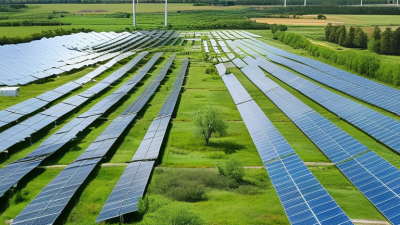
Top 10 Benefits of Home Solar Energy Systems to Save Money
As energy prices continue to rise, homeowners seek effective ways to cut costs. One powerful solution is the Home Solar Energy System. These systems harness the sun's energy, providing an alternative to traditional power sources. They offer numerous advantages, making them an attractive investment.
The benefits extend beyond just financial savings. A Home Solar Energy System contributes to environmental sustainability. It reduces reliance on fossil fuels, lowering carbon emissions. Additionally, homeowners enjoy energy independence, shielding themselves from fluctuating utility rates. However, transitioning to solar isn’t without challenges. Initial installation costs and maintenance must be considered.
While some may worry about space and efficiency, many find these concerns manageable. Technology has advanced, making solar panels more efficient and adaptable to various home styles. In the long run, the comfort and savings can outweigh initial hesitations. Embracing this renewable energy source can lead to significant savings and a greener planet.

Top 10 Benefits of Home Solar Energy Systems to Save Money
Home solar energy systems present significant financial advantages for homeowners. By harnessing sunlight, these systems reduce electricity bills and provide a long-term investment. Most homeowners notice their utility costs decreasing substantially after installation. Solar panels convert sunlight into energy, drastically cutting down reliance on grid power. This shift can lead to immediate savings.
Additionally, solar energy can increase a property's value. Many buyers are looking for homes with renewable energy features. While initial installation costs may seem daunting, the long-term return on investment is noteworthy. Incentives and tax credits may offset upfront costs. However, it's essential to evaluate the specific energy needs of your home to ensure these systems are beneficial.
System maintenance is crucial. Regular inspections can prevent performance issues. Neglecting maintenance could lead to higher repair costs later. Despite the advantages, some homeowners may experience difficulties with permits or installation timelines. Careful planning is vital to avoid potential setbacks. Adjusting expectations is important; solar energy is not a one-size-fits-all solution. Each homeowner's experience may vary based on location and energy needs.
Overview of Home Solar Energy Systems and Their Functionality
Home solar energy systems have emerged as a sustainable alternative for powering households. These systems harness sunlight through photovoltaic (PV) panels. A typical residential solar panel can generate up to 300 watts of electricity. This capacity allows homeowners to reduce their reliance on conventional energy sources. According to the National Renewable Energy Laboratory, installing solar panels can save an average household between $10,000 and $30,000 over 20 years.
The functionality of home solar energy systems goes beyond just saving money. These systems help reduce carbon footprints and promote environmental sustainability. Solar panels can produce electricity even on cloudy days, due to advances in technology. Additionally, homeowners can enjoy energy independence, as they are less affected by fluctuating energy prices. A study by the Solar Energy Industries Association indicates that residential solar installations have increased by 167% over the past decade.
While solar energy can be beneficial, challenges remain. Initial installation costs can be a barrier for some. Moreover, energy production varies with weather conditions and geographic location. Systems may require maintenance over time, leading to additional costs. Despite these challenges, the advantages of home solar energy systems are noteworthy and growing.
Significant Reduction in Monthly Electricity Bills through Solar Adoption
Adopting solar energy at home can lead to a significant reduction in monthly electricity bills. Households that invest in solar systems often notice immediate savings. By generating your electricity, you lessen reliance on traditional power sources. This shift is vital in a world of rising energy costs.
Tips: Consider the size of your solar system. A properly sized system ensures effective energy generation. Assess your home’s energy consumption to determine the best fit.
Many homeowners report saving hundreds on their monthly bills. This financial relief can have a positive impact on your budget. It's essential to consider all factors when going solar, including installation costs and potential maintenance. Some may find the upfront costs daunting, yet the long-term savings are worth it.
Tips: Explore state incentives for solar energy. Financial assistance can ease the initial investment burden. Also, research how sunlight exposure in your area affects system efficiency. Understanding your local climate is key to maximizing savings.
Long-Term Financial Returns: Understanding ROI of Solar Investments
Investing in solar energy can provide substantial long-term financial benefits. When evaluating the return on investment (ROI) of solar systems, many factors come into play. Initially, the upfront costs may seem daunting. However, the savings on monthly energy bills can quickly add up. Homeowners typically see a reduction of 50% or more on their electricity expenses.
In many cases, solar systems pay for themselves within 5 to 7 years. After that, homeowners enjoy free electricity for many years. This aspect makes solar an attractive long-term investment. Additionally, many local and federal incentives can enhance financial returns. Tax credits and rebates can significantly lower the initial costs.
However, it’s important to consider the maintenance costs. Solar panels require periodic cleaning and inspection. While these expenses are generally minimal, they are worth noting. Also, the energy savings may vary depending on local sunlight and state regulations. It’s essential to analyze these factors carefully. Each situation is unique. Understanding these nuances can lead to better decision-making regarding solar investments.
Top 10 Benefits of Home Solar Energy Systems
Federal and State Incentives: Maximizing Savings with Tax Credits
Federal and state incentives for solar energy systems play a crucial role in maximizing savings for homeowners. According to the Solar Energy Industries Association (SEIA), federal tax credits can reduce up to 26% of the installation costs of solar panels until the end of 2022. These incentives will drop in upcoming years, encouraging homeowners to invest sooner.
Many states also offer their own credits and rebates, which can further enhance your savings.
Local incentives vary widely. Some states provide cash rebates while others offer property tax exemptions. For instance, California residents can benefit from a property tax exclusion. This means homeowners won't see an increase in property taxes due to the added value of solar installations. Coupling these state incentives with the federal tax credit can lead to significant financial rewards.
It's important to navigate the complexities of these incentives. Some homeowners might miss out due to lack of information or guidance. A recent study noted that 29% of potential solar adopters are unaware of available incentives. This highlights the need for accurate and accessible information.
Homeowners should consult trusted resources to learn about financial options. A little research can ensure optimal savings on your solar investment.
Conclusion
The article "Top 10 Benefits of Home Solar Energy Systems to Save Money" delves into the numerous advantages that homeowners can gain by adopting a Home Solar Energy System. It begins with an overview of how these systems function, highlighting their capacity to significantly reduce monthly electricity bills. As homeowners invest in solar technology, they can expect long-term financial returns, making it essential to understand the return on investment (ROI) related to these systems.
Moreover, federal and state incentives play a critical role in maximizing savings through available tax credits, further enhancing the economic benefits of solar energy. Additionally, the installation of a Home Solar Energy System can increase property values, as market trends increasingly favor homes equipped with sustainable energy solutions. By exploring these aspects, homeowners are empowered to make informed decisions about solar investments that not only save money but also contribute to environmental sustainability.