10 Essential Tips for Installing a Solar Energy System at Home
As we move towards a more sustainable future, the demand for a Solar Energy System Home is on the rise. Experts like Dr. Karen Lee, a renowned renewable energy researcher, emphasize, “Adopting solar energy at home can significantly reduce your carbon footprint.” This statement highlights the importance of installing a solar energy system to benefit both the environment and homeowners.
Installing a solar energy system can feel overwhelming. There are many factors to consider, from product selection to permits. The right planning can yield substantial savings on energy bills and grant access to government incentives. However, numerous homeowners face installation challenges without proper guidance. It’s essential to learn from knowledgeable sources to avoid common pitfalls.
Understanding your energy needs and available local resources can pave the way for a successful solar installation. Each home has unique requirements, and a tailored approach is crucial. Research, consultation, and preparation are vital. The process may not be flawless, but with proper steps, you can harness the power of the sun efficiently and effectively.
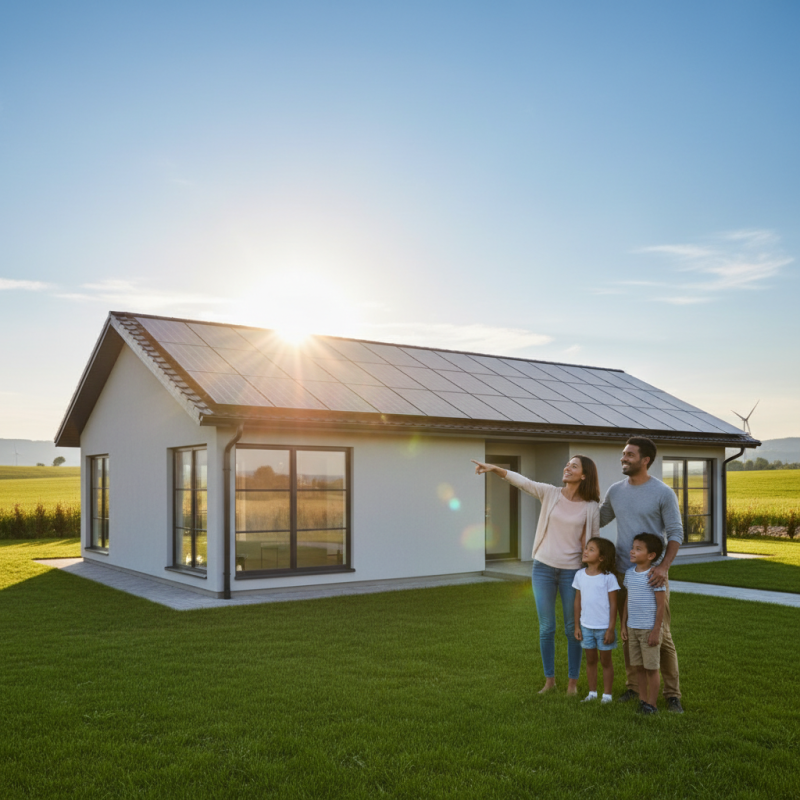
Understanding Your Home’s Energy Needs for Solar Installation
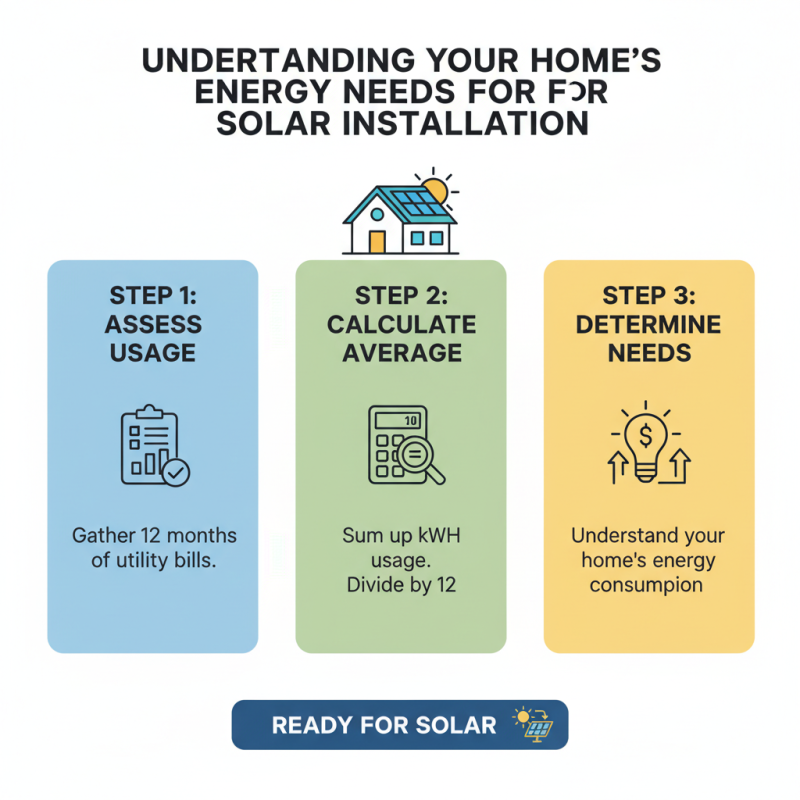
Understanding your home’s energy needs is crucial before installing a solar energy system. Begin by assessing your monthly electricity usage. Gather utility bills from the past year to determine average consumption. This provides a clear picture of how much energy your home needs.
Consider seasonal variations as well. Energy usage can spike in summer or winter. Take note of appliances that consume high energy. For instance, heating and cooling systems often use the most electricity. This information helps in sizing the solar system correctly.
When planning the installation, think about your roof's orientation and shading. A south-facing roof usually performs best. However, if trees or buildings cast shadows, it may reduce efficiency.
A key tip is to consult with a solar energy expert. They can provide personalized insights based on your unique situation. These specialists can evaluate your roof, analyze energy patterns, and suggest the right system size.
Choosing the Right Type of Solar Panel for Your Home
When you're looking to install a solar energy system at home, choosing the right type of solar panel is crucial. There are three main types of solar panels:
monocrystalline, polycrystalline, and thin-film.
Monocrystalline panels are efficient and space-saving, but they come at a higher price.
Polycrystalline panels are more affordable and have decent efficiency.
Thin-film panels are lightweight and flexible but require more space for the same output.
Consider your home's specific needs when selecting panels. If your roof has limited space, opt for monocrystalline panels. They perform well in low-light conditions.
On the other hand, if you're on a budget, polycrystalline might be your best bet. But remember, they require more installation space.
Many homeowners overlook their local climate during this process. If you live in a sunny region, even polycrystalline panels can work well.
Installation quality cannot be underestimated. Hiring a professional ensures optimal placement and angle for maximum sunlight exposure.
DIY installations can lead to mistakes and inefficiencies. Research your local regulations about solar panel installations.
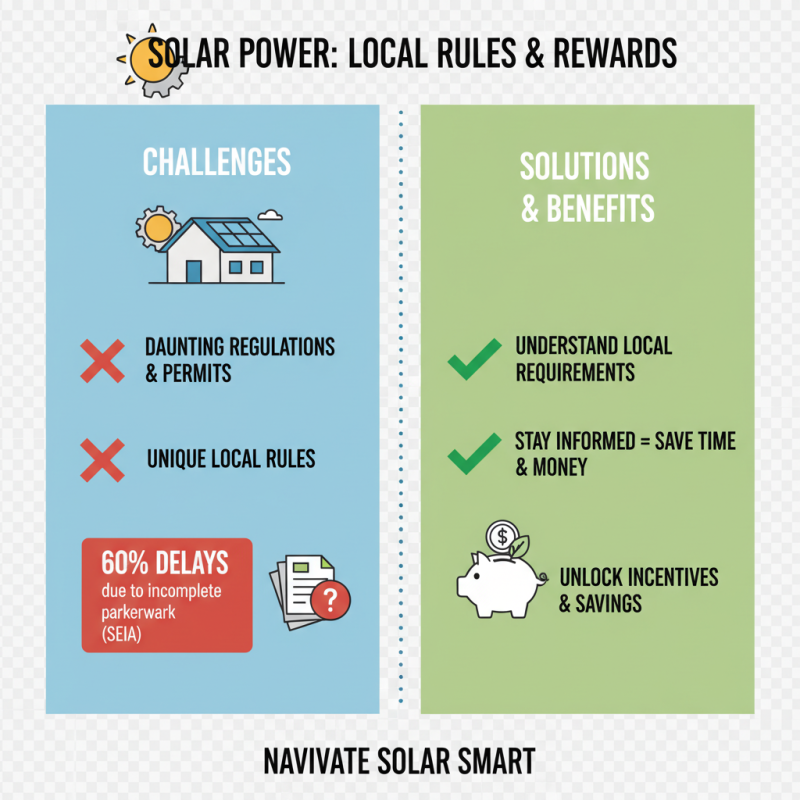
Sometimes, permits are necessary, and ignorance can lead to complications. Making informed decisions in the beginning can save you a lot of stress later.
Evaluating the Best Location for Solar Panel Installation
Choosing the right location for solar panel installation is crucial for maximizing energy efficiency. Research shows that solar panels receive optimal exposure when facing south, especially in the northern hemisphere. A study by the National Renewable Energy Laboratory indicates a potential 20% increase in energy production when panels are positioned correctly. The pitch of your roof also influences performance. A 30 to 45-degree angle is ideal.
Consider shading from trees or buildings. Shadows can significantly reduce solar panel output. In fact, even partial shading can lead to a decrease of up to 80% in energy generation. It’s essential to assess how sunlight moves across your property throughout the day.
You might also want to evaluate the area’s climate. According to the Solar Energy Industries Association, regions with high solar irradiance yield better results. An environmental assessment can help understand how seasonal changes affect your installation. Overlooking local weather patterns might lead to inefficient designs.
Hiring a Professional Installer vs. DIY Solar Systems
When considering a solar energy system, one crucial decision is whether to hire a professional installer or opt for a DIY approach. Professional installation offers several benefits, including expertise and compliance with local regulations. According to the National Renewable Energy Laboratory, systems installed by professionals can be up to 10-20% more efficient due to correct positioning and wiring. These efficiencies often result in lower long-term energy costs.
However, the DIY route is appealing for many due to cost savings and a sense of accomplishment. Homeowners can save on labor costs, with some reports indicating savings of $1,500 to $3,000. Yet, DIY projects come with risks. Miscalculations or improper installations can lead to system failures or even safety hazards. A survey from the Solar Energy Industries Association revealed that DIY systems tend to have higher maintenance issues over time. This adds potential hidden costs.
Navigating permits and rebates can also be challenging. Professionals often have established relationships with local governments. They typically understand how to optimize for local incentives. Without this knowledge, DIYers may miss out on financial benefits. Ultimately, the decision hinges on skill level, budget constraints, and the desire for hassle-free operation verses the potential for hands-on creativity.
Comparison of DIY Solar System Costs vs. Professional Installation Costs
This chart compares the average costs associated with installing a solar energy system at home, highlighting the financial implications of choosing between a DIY approach and hiring a professional installer.