MH Energy       Your Better Solar and Energy Partner

Leave Your Message

10 Tips for Choosing a Solar Power Generator

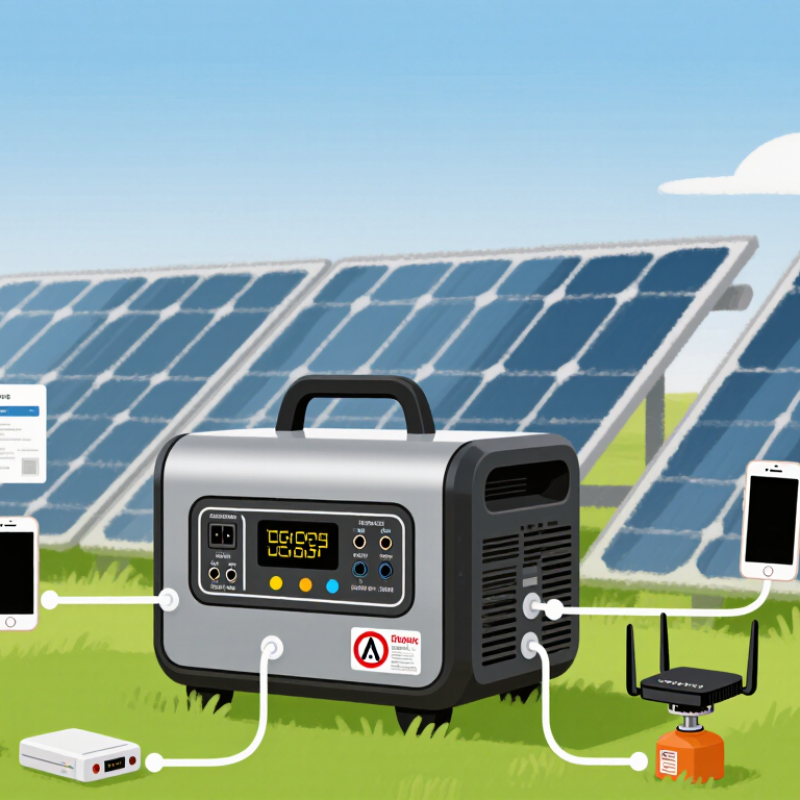
Choosing a Solar Power Generator is less about buying the biggest unit and more about matching its capabilities to your real needs. A weekend camping trip has different demands from keeping a refrigerator, medical device, or home router running during an outage. Start with the devices you expect to power, then check their wattage and how long you need them to operate. Small details matter. A kettle can draw far more power than a phone charger.

This guide explores ten practical considerations, including capacity, output, charging options, portability, battery chemistry, safety features, and warranty support. You will also see why advertised capacity does not always tell the whole story: usable energy, operating conditions, and the generator’s output limits can affect performance. Compare specifications from manufacturers, and look for clear instructions and established safety certifications relevant to your market. Claims deserve a closer look.

A realistic plan should account for cloudy weather, limited charging time, and the possibility that several devices run together. A compact unit may be easier to carry, but it might not support high-demand appliances for long. There is no perfect choice for everyone. Even careful estimates can miss something, so review your power needs before purchasing and leave a practical margin where possible. The tips ahead can help you compare options with fewer assumptions and choose a system that fits your routine, budget, and backup priorities.
10 Tips for Choosing a Solar Power Generator

Define Your Power Needs and Intended Use

Before comparing solar generators, write down what you need to run and where you will use it. A weekend campsite, a home outage, and a work shed have very different demands. List each device, its running watts, and hours of use per day. Include essentials such as a phone, LED lights, a fan, or a medical device. Small details matter. For medical equipment, follow its specified power and backup requirements.

Estimate daily energy by multiplying watts by hours, then add the results. A 10-watt light used for five hours needs about 50 watt-hours; a 60-watt fan running four hours needs about 240. Check labels or manuals, since actual draw can differ from rated figures. Some appliances also need a brief surge to start, so compare both continuous and peak output. Refrigerator startup can surprise you.

Choose capacity with your intended use in mind, not just the biggest number on a box. For overnight backup, account for hours without sunlight and allow for conversion losses. For off-grid days, consider how quickly panels can recharge the battery in cloudy conditions or limited daylight. I would test the setup at home before relying on it; estimates are rarely perfect. A test may reveal an overlooked cable, an unexpectedly loud fan, or a device that drains power faster than expected.
Match Generator Capacity to Essential Appliances

Tip: List the appliances you truly need during an outage: perhaps a refrigerator, a few lights, and a phone charger. Read each appliance’s label or manual for its running watts. Add those watts to estimate the steady load. A fridge may use about 150 watts while running, yet briefly need much more to start. Check its starting requirement; don’t size a generator from running watts alone.

Tip: Match power output and stored energy to different needs. The generator’s continuous output must support appliances running at the same time. Its energy capacity, measured in watt-hours, helps estimate runtime: a 100-watt device running for five hours uses roughly 500 watt-hours, before conversion losses. Keep it simple. Real usage varies, especially when a refrigerator’s compressor cycles on and off.

Tip: Leave some breathing room. A modest reserve can help accommodate startup surges or an appliance you forgot to count, but avoid treating peak output as continuous power. For a practical check, write down each essential appliance, its watts, and expected hours of use. Compare that list with the generator’s specifications and instructions. Labels can be confusing, and estimates are imperfect; verify unusual loads with the manufacturer’s documentation before relying on them.

Compare Battery Chemistry, Runtime, and Solar Input

Battery chemistry affects weight, cycle life, and usable capacity. Lithium iron phosphate often supports many charge cycles and greater thermal stability. Nickel manganese cobalt can pack more energy into less weight. Performance still depends on temperature, charging habits, and the battery management system. Check rated watt-hours and cycle-test conditions, not just a large capacity figure. Small print matters.

Estimate runtime using the generator’s usable watt-hours and each device’s power draw. A 60-watt refrigerator may cycle on and off, but its startup surge can be higher. For steady loads, divide usable watt-hours by watts, then allow for inverter losses. This is an estimate, not a promise. It is easy to overtrust runtime figures.

Solar input determines how quickly stored energy returns. Compare the generator’s maximum solar wattage and input voltage range with the panel’s specifications. A panel rated at 200 watts rarely delivers that output continuously; clouds, heat, shade, and panel angle reduce production. Check connector requirements and stay within the generator’s input limits when connecting panels. Even a sunny spot can disappoint if the panel faces the wrong direction.

Typical Battery Cycle-Life Ranges by Chemistry

Compare the approximate number of charge cycles before capacity declines to about 80%. These illustrative ranges vary by product and depend on depth of discharge, temperature, and charging conditions.

For runtime, divide usable battery capacity in watt-hours by the device load in watts. For solar charging, compare the generator’s maximum solar input with your panel output; real charging time also depends on sunlight and system losses.

Evaluate Portability, Durability, and Charging Options

Portability is more than a low weight printed on a carton. Compare the generator’s weight with its usable watt-hours, then picture carrying it from a car to a tent over uneven ground. A 10-kilogram unit may feel manageable indoors and awkward on a muddy path. Check handle placement, wheel clearance, and whether cables fit inside the case. Small details matter. Also match capacity to real loads: a phone, a light, and a small fridge require different runtimes. I would avoid choosing by peak wattage alone; it is easy to overvalue a big number.

Durability deserves equal attention. Look for clear operating-temperature limits, a stated ingress-protection rating, and a battery-cycle specification. NREL’s analytical review of photovoltaic degradation found a median module degradation rate of about 0.5% per year. That figure describes solar modules, not a generator’s battery or enclosure, so it is context—not a product-life promise. Charging flexibility matters, too. Compare wall, vehicle, and solar input limits, and check whether the unit can accept a panel’s voltage and connector safely. NREL’s 2024 Annual Technology Baseline uses roughly 85% round-trip efficiency for utility-scale lithium-ion storage; portable models differ, but the figure reminds buyers that charging involves losses. Shade changes the calculation. A panel that works at noon may crawl under tree cover, and I still find advertised recharge times too optimistic unless the test conditions are stated.

10 Tips for Choosing a Solar Power Generator - Evaluate Portability, Durability, and Charging Options
# What to Evaluate Practical Guidance Why It Matters
1 Battery capacity (watt-hours) Estimate the energy needs of the devices you plan to run. A device rated at 50 W running for 4 hours uses about 200 Wh; allow extra capacity because conversion losses and operating conditions reduce usable energy. Capacity indicates how much energy the unit can store, but actual runtime depends on the load and system efficiency.
2 Continuous and surge output Check the continuous AC output against the combined running wattage of your devices. For equipment with motors or compressors, also check whether the generator supports the brief startup surge. A unit may have enough stored energy but still be unable to power a device that exceeds its output limit.
3 Weight and portability Compare the listed weight with how far and how often you will carry the generator. For frequent movement, consider carrying handles, a compact shape, or wheels. Battery capacity generally adds weight, so the most portable option may not be the one with the longest runtime.
4 Battery chemistry and cycle life Review the battery type, warranty, and stated cycle-life test conditions. Lithium iron phosphate batteries are commonly specified for longer cycle life than many lithium-ion alternatives, but performance varies by model and use. Battery life depends on charge depth, temperature, storage, and usage; compare like-for-like test information rather than relying on a cycle count alone.
5 Solar input compatibility Check the generator’s permitted solar input voltage, current, and maximum wattage. Confirm that the panel connector and electrical specifications are compatible before connecting a panel. Panel wattage alone does not establish compatibility, and exceeding the input limits can damage equipment or prevent charging.
6 Charging time and conditions Compare solar, AC, and vehicle-charging options. Treat advertised solar charging times as estimates: sunlight strength, panel angle, shading, temperature, and input limits affect charging speed. Multiple charging methods can make the generator more useful when sunlight is limited or a faster recharge is needed.
7 Output ports Count the AC outlets, USB ports, and 12 V outputs you need, and check their individual power limits. Confirm that the port types match your devices or that suitable cables are available. The number and type of ports determine which devices can be connected at the same time.
8 Durability and environmental protection Look for a sturdy enclosure and clear guidance on dust, water, temperature, and storage conditions. If an IP rating is provided, check what level of protection that specific rating indicates. Portable power stations are not automatically waterproof or suitable for outdoor exposure; follow the manufacturer’s environmental limits.
9 Safety features and compliance Review the manual for protections such as overload, short-circuit, over-temperature, and over-voltage protection. Check applicable safety certifications for the market where you will use the unit. Protective features and recognized compliance testing can help reduce electrical and battery-related risks when the unit is used as directed.
10 Expandability, warranty, and support Check whether additional batteries are supported, what the warranty covers, and how service or replacement is handled. Keep the manual and use only compatible accessories. Expansion options and clear support terms can affect long-term usefulness, repairability, and the total cost of ownership.

Check Safety Features, Warranty, and Total Cost

Tip 1: Check safety features before comparing capacity. Look for documented overload, short-circuit, and over-temperature protection. Clear charging and ventilation instructions matter, too. Check that the unit’s limits suit your appliances; a kettle can draw far more power than a lamp. Small details matter. A polished display does not prove safe design, so review the manual and available testing information.

Tip 2: Read the warranty closely. Compare coverage for the generator and its battery, since terms may differ. Check the warranty period, exclusions, and who pays for shipping or labor. Keep proof of purchase. The longest warranty is not always the best; clear coverage and a practical claim process may matter more. I’d pause over vague wording rather than assume it means generous support.

Tip 3: Calculate the total cost, not just the listed price. Include compatible solar panels, cables, adapters, and any replacement parts you may need. Then compare usable energy and output with your real needs. A low-cost unit may not run a high-draw appliance for long. Estimate your daily use on paper; the result may be less tidy than expected. That is useful information.