Top Tips for Choosing Solar Panels and Batteries for Your Home?
When considering the transition to renewable energy, selecting the right solar panel and battery system is crucial. This decision impacts your home's energy efficiency and sustainability. With numerous options available, it can be challenging to navigate the market. Each solar panel and battery system has unique features and specifications that may suit different needs.
It's essential to assess your home’s energy consumption first. This determines the size of the system required. Additionally, evaluating the efficiency and warranty of the panels and batteries is vital. Each brand offers varied levels of reliability and long-term performance. You might notice discrepancies in performance across different products.
Careful research will empower your choice. Recommendations from industry experts can lend credibility to your decision-making process. However, personal preferences and values must also influence your choices. Exploring options beyond just price can lead to a more sustainable and satisfying energy solution. Balancing cost with quality ensures a wise investment in your home’s future. Do not rush this process. Take the time to reflect on your options and their long-term implications.
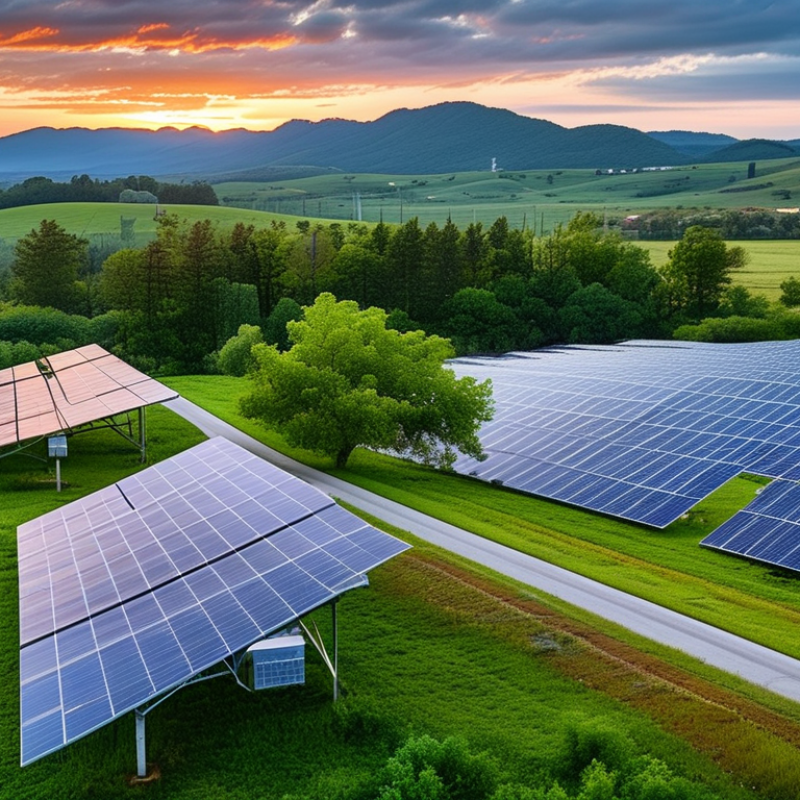
Understanding Your Energy Needs for Solar Panels and Batteries
Understanding your energy needs is crucial before selecting solar panels and batteries for your home. Assess your daily energy consumption by reviewing past utility bills. Track your usage patterns to find out peak times and overall consumption. This process reveals how many panels you might need. It's not just about installing panels; it's about ensuring they meet your specific demands.
Consider your future energy requirements as well. Will you add appliances or consider an electric vehicle? Such changes may drive up your energy needs. Think about this when choosing battery storage. Sizing the battery to hold excess energy is essential for consistent power supply. Remember, oversizing can lead to unnecessary costs.
Evaluate local weather conditions, too. If you live in a region with less sunlight, you might need more panels for sufficient energy. Seasonal fluctuations may affect battery performance, so thorough research is vital. A detailed assessment ensures a reliable system tailored to your lifestyle. Reflect on these nuances, and your choices will empower your energy independence.
Evaluating Different Types of Solar Panels: Pros and Cons
Evaluating different types of solar panels is crucial when considering a solar energy system.
Monocrystalline panels are highly efficient and space-efficient. However, they can come with a higher cost. These panels are durable and perform well in low-light conditions.
Polycrystalline panels are generally more affordable. They have a lower efficiency compared to monocrystalline ones, but they still provide good performance in sunny conditions.
Thin-film panels are lightweight and flexible, making installation easier, yet they often have the lowest efficiency of the three types.
When choosing solar panels, consider your roof space and budget. Analyze your energy needs carefully.
It's essential to assess local sunlight availability. A system that works well in one area may not be the best in another. Pay attention to warranties offered by manufacturers. A longer warranty usually indicates confidence in the product's durability.
Choosing the right battery is equally important. Lithium-ion batteries are popular due to their efficiency and longer lifespan. They can be quite expensive upfront.
Lead-acid batteries are a more budget-friendly option, but they generally have a shorter lifespan.
Assess how much energy storage you will need. Not all households require the same capacity. Be realistic about your usage patterns. Take your time to compare options thoroughly.
How to Choose the Right Size and Capacity for Batteries
Choosing the right size and capacity for solar batteries is crucial for maximizing efficiency. Start by assessing your energy needs. Monitor your daily energy consumption through utility bills or smart meters. This information will guide you in selecting a battery that can store enough power for your household.
Consider your usage patterns. Do you have peaks in usage during the day or night? Understanding these habits can help determine if you need a larger capacity or multiple batteries. Remember, an oversized battery may seem beneficial, but it can lead to wasted energy and increased costs.
Pay attention to the battery's depth of discharge. This measurement indicates how much battery capacity you can use without negatively impacting longevity. You might need a battery that supports a higher discharge rate, especially if you rely heavily on stored energy during outages. It's essential to strike a balance between capacity and the frequency of your energy needs to ensure reliability.
Top Tips for Choosing Solar Panels and Batteries for Your Home
| Feature |
Solar Panel |
Battery |
| Efficiency Rate |
16-22% |
N/A |
| Wattage |
200-400W |
5-15kWh |
| Lifespan |
25+ years |
10-15 years |
| Warranty |
10-25 years |
5-10 years |
| Installation Type |
Roof-mounted, Ground-mounted |
Wall-mounted, Indoor |
| Cost Range |
$1,000-$3,000 per panel |
$3,000-$10,000 |
Assessing the Quality and Efficiency Ratings of Solar Products
When selecting solar panels and batteries, focusing on quality and efficiency ratings is crucial. Not all solar products are created equal. Panels typically come with efficiency ratings that indicate how well they convert sunlight into usable electricity. A common standard is the percentage of sunlight converted. For instance, panels with ratings above 20% are often considered high quality.
It's equally important to investigate the durability of these products. Look for certifications that demonstrate their weather resistance and longevity. For batteries, examine their cycle life and storage capacity. Some batteries last longer but may have lower capacity, while others may hold more energy but not endure as long.
Don't be swayed solely by price. Sometimes, lower-cost options miss the mark on performance and longevity. Research can reveal a deeper truth about a product's value. Check user reviews and ensure you are looking at long-term satisfaction, not just initial impressions. Aligning your choices with credible sources can enhance your confidence in the investment.
Solar Panel and Battery Efficiency Ratings
Budgeting for Installation and Long-Term Maintenance Costs
When planning to install solar panels and batteries, budgeting is vital. It is essential to understand the overall costs. A report from the National Renewable Energy Laboratory indicates that installation can range from $15,000 to $25,000 for an average home. This includes not just the panels themselves but also additional hardware and installation fees. Moreover, these costs vary significantly based on location and the specific setup you choose.
Long-term maintenance is another crucial aspect. While solar panels typically require minimal upkeep, periodic inspections and cleaning are recommended. The Solar Energy Industries Association states that maintenance costs usually average around $300 to $400 annually. This can add up over time. Considering these figures helps form a more complete financial picture.
Understanding financing options can help make this investment more manageable. Some homeowners might consider solar loans or leasing options. While this may reduce upfront costs, it’s important to evaluate long-term implications. An often overlooked detail is that incentives and tax credits can alleviate some financial burdens. Therefore, thorough research is key to ensure that your choices align with both current and future financial scenarios.