Best Solar Panel System for Home Use in China?
As the demand for renewable energy surges in China, the focus on effective Solar Panel System Home options has intensified. According to a 2023 report by the China Renewable Energy Association, residential solar installations have increased by 25% compared to the previous year. This trend signals not only a commitment to sustainability but also economic benefits for homeowners.
Expert in the solar industry, Dr. Li Wei, states, "Choosing the right solar panel system can significantly reduce energy costs and enhance property values." His insights reflect the growing recognition of solar technology among homeowners seeking energy independence. The evolving landscape of Solar Panel System Home solutions underscores the importance of technology selection.
Yet, the market is not without challenges. Many homeowners struggle to navigate the various options available. Factors such as space, budget, and energy needs complicate the decision-making process. It's crucial to weigh these elements carefully. As the industry grows, staying informed about the best systems becomes vital for effective energy management.
Types of Solar Panel Systems Available for Home Use in China
In China, several types of solar panel systems are available for home use. The most common are on-grid, off-grid, and hybrid systems. According to industry reports, on-grid systems dominate the market, accounting for over 70% of installations in urban areas. These systems connect directly to the utility grid, allowing homeowners to both consume and sell excess electricity.
Off-grid systems are gaining traction, especially in rural areas. They provide complete independence from the grid. Recent data indicates that about 15% of households in remote regions rely on off-grid solutions. While they offer reliability, installation and maintenance can be complex. Costs can be a barrier, as off-grid systems typically require batteries for energy storage, increasing upfront investment.
Hybrid systems blend the benefits of both on-grid and off-grid setups. They provide flexibility by allowing homeowners to store energy while still accessing the grid. This type is becoming popular, especially during peak energy consumption periods. However, the initial costs and the need for advanced technology can deter potential users. The choices available show promise but come with challenges. Evaluating the right system involves considering energy needs, costs, and long-term sustainability. There is no one-size-fits-all solution in solar energy for homes in China.
Best Solar Panel System for Home Use in China
| Type of Solar Panel System |
Efficiency (%) |
Average Cost (CNY) |
Lifespan (Years) |
Warranty (Years) |
| Monocrystalline |
15-22 |
12000 |
25 |
10-25 |
| Polycrystalline |
13-16 |
10000 |
20 |
10-25 |
| Thin-Film |
10-12 |
8000 |
15 |
5-10 |
| Bifacial |
17-23 |
15000 |
30 |
10-30 |
Factors to Consider When Choosing a Solar Panel System
When selecting a solar panel system for home use in China, several factors come into play. Solar efficiency is key. This determines how much sunlight the panels can convert into usable electricity. Higher efficiency panels may cost more but provide better returns on investment over time. The available space on rooftops is another important factor. Limited roof area might necessitate selecting more compact, efficient panels, while larger spaces could allow for a broader range of options.
Next, consider the local climate. Regions with ample sunshine will benefit from solar energy, while those with frequent rain or overcast days may see less of a return. Durability is also essential. Solar panels must withstand local weather conditions, from heavy rain to storms. Warranty offerings from manufacturers can indicate reliability, but longer warranties don't always correlate with higher quality. It’s crucial to read reviews and gather insights from other users to gauge performance over time.
Installation processes vary, impacting the overall system cost and efficiency. Employing experienced installers can make a significant difference, as improper installation can lead to long-term issues. While options for solar projects abound, a thorough examination of these factors ensures a more informed choice. Seeking advice from experts and gathering feedback is wise. This could steer you towards a system that fits your unique needs.
Best Solar Panel System for Home Use in China
Top Solar Panel Brands and Models for Home Use in China
When considering solar panel systems for home use in China, several key brands and models stand out. Many homeowners seek reliable options that offer efficiency and durability. Brands with strong reputations often focus on high energy conversion rates and long warranties. Some models are particularly suited to residential settings due to their compact size and aesthetic designs. Solar panels with intelligent technology can optimize energy consumption as well.
Tips for choosing the right system include assessing your energy needs first. A thorough energy audit can help determine the right panel capacity. Understanding the installation process is also vital. Work with qualified professionals to avoid common pitfalls. Some options may require more space for installation than others, so assess your property's layout carefully.
While some brands claim high efficiency, real-world performance can differ. Some consumers report that their expectations were not fully met. It's essential to read multiple reviews and seek feedback from local users. Balancing cost and quality is crucial. Sometimes, spending a bit more upfront can lead to better long-term savings. Always stay informed about the latest technology and government incentives to make the best decision.
Installation Process and Requirements for Solar Panels
Installing solar panels at home in China involves several key steps. First, assess your roof's suitability. The angle and direction impact energy efficiency. A south-facing roof is ideal, but not a strict requirement. Consider shading from nearby buildings or trees. This can significantly reduce solar output.
Next, obtaining necessary permits is crucial. Local regulations vary, and navigating the bureaucracy can be challenging. Research what documents are needed in your area. Missteps here can cause delays. It’s essential to work closely with local authorities or agencies to ensure compliance.
Once permits are secured, choose a qualified installer. Look for professionals with experience in solar panel installation. Ask for references to gauge their reliability. A poorly installed system can lead to reduced efficiency or safety hazards.
After installation, regular maintenance is necessary. Periodic cleaning and inspections can help sustain optimal performance. Keep an eye on changes in energy output over time. It’s a sign to schedule maintenance if needed.
Cost Analysis and Savings of Solar Panel Systems in China
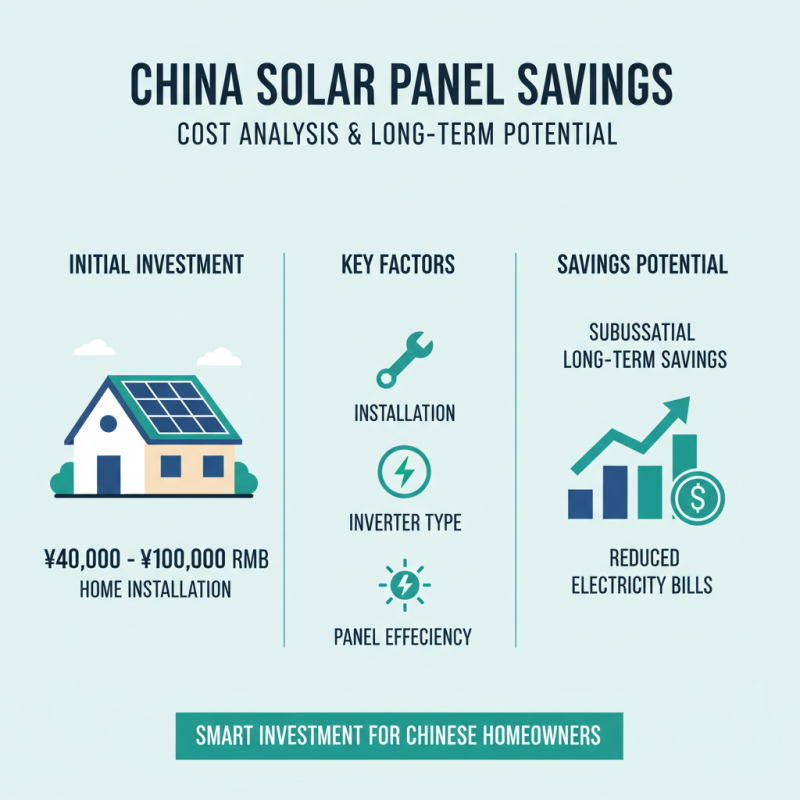
Investing in a solar panel system for home use in China offers substantial savings potential. Recent analyses highlight that the initial costs can vary greatly. Factors such as installation, inverter type, and panel efficiency play critical roles. Homeowners may spend between 40,000 to 100,000 RMB. Making sense of this pricing is crucial for long-term saving projections.
Despite the higher upfront costs, solar panels produce energy at a lower rate than traditional electricity. In many areas, this translates to monthly savings. Homeowners can enjoy reduced electricity bills, often by 30-50%. However, it’s essential to consider local solar availability and government incentives. Not every region provides ample sunlight throughout the year.
Understanding these factors helps to formulate a feasible cost analysis. Homeowners should also revisit their energy consumption patterns. It’s not uncommon for initial savings expectations to fall short due to unexpected maintenance or efficiency issues. Crafting a realistic financial picture is vital for maximizing the benefits of solar investments.