Why Choose an On Grid Solar System for Your Energy Needs?
When considering energy options, many homeowners face a critical choice. An "On Grid Solar System" offers numerous benefits. John Smith, a leading expert in renewable energy, states, "On Grid Solar Systems provide flexibility and cost savings that are unmatched." This statement captures the essence of why many are turning to grid-tied solar solutions.
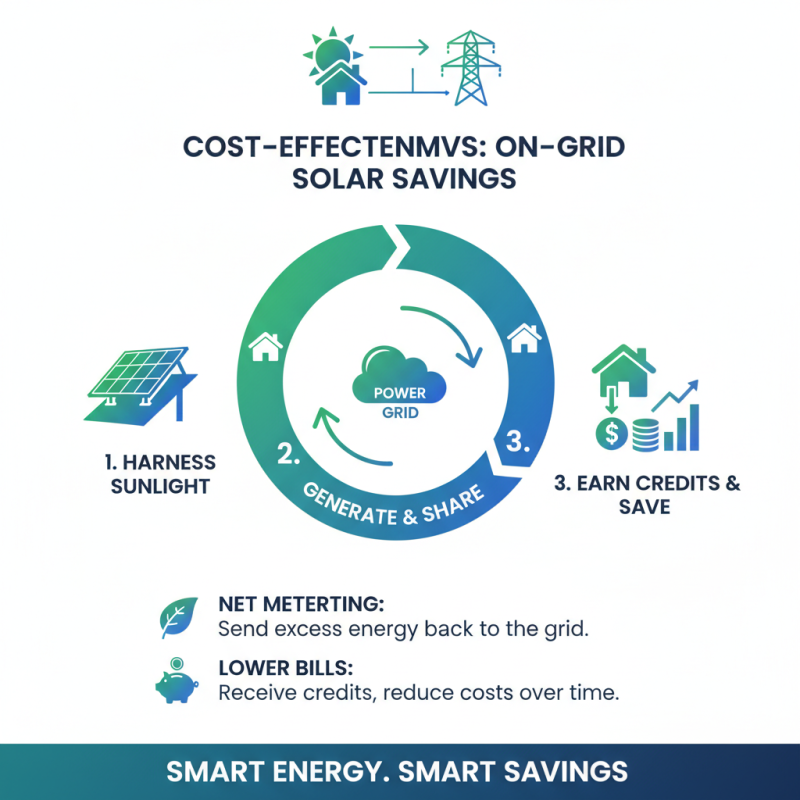
On Grid Solar Systems allow users to utilize solar power while staying connected to the utility grid. This connection not only offers energy reliability but also allows for net metering. With this setup, users can send excess energy back to the grid, receiving credit on their utility bills. Reduced energy costs are a primary motivator for many households.
However, it's essential to acknowledge that not every situation suits an On Grid Solar System. Factors such as local regulations, installation costs, and energy needs can complicate the decision. Each household must carefully evaluate their circumstances. Looking forward, innovation will enhance these systems' viability, but the initial choice should not be taken lightly.

Understanding On Grid Solar Systems and Their Functionality
On grid solar systems are becoming popular for many households. These systems connect directly to the local utility grid. When sunlight is abundant, they generate electricity for immediate use. If the production exceeds consumption, excess energy is sent back to the grid. This means you can earn credits on your electricity bill.
One important aspect to consider is reliability. On grid systems depend on the grid for power at night or during cloudy days. This could mean you’re still subject to energy price fluctuations. Maintenance may seem minimal, but it is essential to ensure efficiency. Monitoring performance regularly can help you spot issues early.
Understanding local regulations and incentives is key. Some areas offer tax breaks or rebates for solar installations. However, eligibility can vary significantly. Each homeowner's situation is unique, requiring careful planning and research. Engaging with professionals can provide valuable insights. Balancing costs and benefits is a crucial step in making an informed decision.
Energy Production by On Grid Solar Systems (kWh)
This bar chart represents the monthly energy production in kilowatt-hours (kWh) of an on-grid solar system throughout the year. As indicated, energy production tends to be highest in the summer months and lowest in winter, showcasing the efficiency of solar systems in varying weather conditions.
Advantages of On Grid Solar Systems for Residential Energy Consumption
On-grid solar systems are an increasingly popular choice for residential energy consumption. They connect directly to the utility grid, allowing homeowners to benefit from the ease of real-time energy use. In 2022, reports indicated that over 60% of new residential solar installations in the U.S. were grid-tied systems. This showcases a clear preference driven by both convenience and economy.
One significant advantage of on-grid solar systems is the potential for energy cost savings. Homeowners can sell excess energy back to the grid, a practice known as net metering. According to the National Renewable Energy Laboratory, households can save up to 50% on electricity costs when utilizing solar energy. This financial benefit is substantial, particularly in areas with high energy prices. Additionally, on-grid systems allow for lower upfront costs compared to off-grid solutions, as they do not require batteries.
However, there are considerations to reflect on. Grid reliance means susceptibility to power outages. If the grid goes down, homes lose access to solar-generated energy. Moreover, maintenance of solar panels is vital for efficiency. A study found that poor maintenance can reduce energy output by up to 25%. Homeowners must stay informed and proactive to maximize their on-grid solar investment.
Environmental Impact of On Grid Solar Energy Solutions
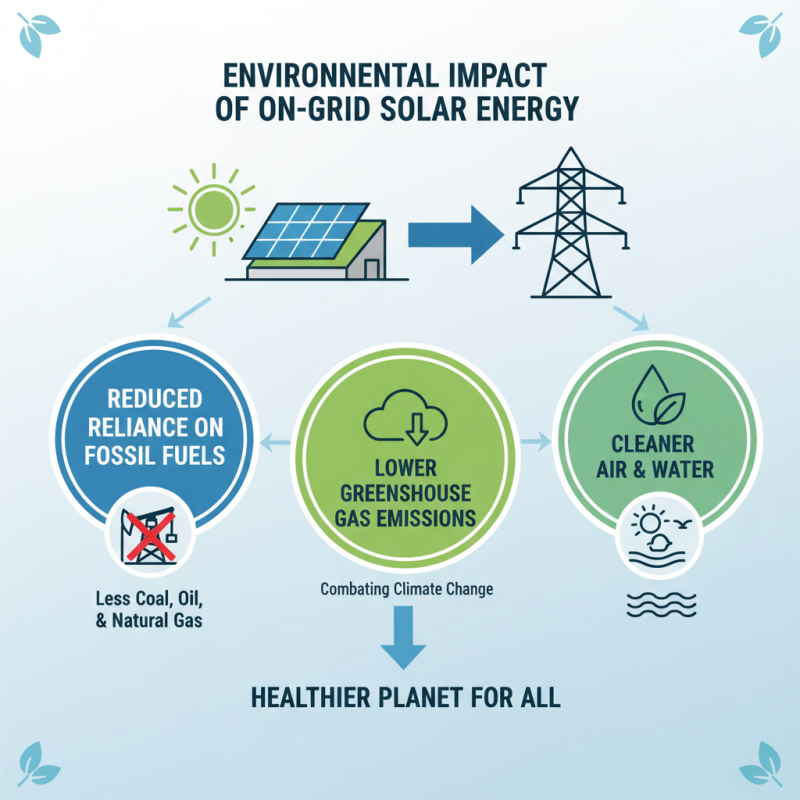
On-grid solar energy systems have a significant environmental impact. By harnessing solar power, these systems reduce reliance on fossil fuels. This shift lowers greenhouse gas emissions. Emission reductions lead to cleaner air and water. Consequently, on-grid solar systems contribute to fighting climate change.
However, transitioning to solar energy isn't without challenges. Manufacturing solar panels can be resource-intensive. The production process generates waste and pollution. These issues need addressing for a net positive impact. Additionally, the end-of-life disposal of solar panels poses concerns. Recycling programs are crucial for sustainability.
Adopting on-grid solar solutions can improve local ecosystems. Many communities see benefits like reduced heat islands. Trees often thrive in areas with less air pollution. Wildlife also enjoys healthier habitats. Carefully managed, on-grid solar energy can lead to a bright, sustainable future.
Factors to Consider When Choosing an On Grid Solar System
When considering an on-grid solar system, several key factors demand attention. The efficiency of solar panels is paramount. According to the U.S. Department of Energy, modern solar panels can convert over 20% of sunlight into electricity. This efficiency translates directly to reduced energy bills and a faster return on investment. However, the sunlight availability in your region greatly impacts this efficiency. Areas with high solar insolation will yield the best results.
Another critical aspect is the local electricity rates. As of 2023, the average residential electricity rate in the U.S. is around $0.14 per kilowatt-hour. A well-designed solar system can often lower these costs substantially. Some homeowners achieve savings of 30% or more on their monthly bills. However, some may invest in systems that do not fully offset their energy use, leading to disappointing savings.
Evaluating the incentives available in your area is also vital. Many regions offer tax credits or rebates that can reduce initial costs significantly. A recent study from the National Renewable Energy Laboratory suggests that these incentives can cover up to 30% of the installation costs. On the flip side, these incentives can change, and missing out on them can result in higher expenses. Thus, staying informed is key to making the most out of your investment.
Why Choose an On Grid Solar System for Your Energy Needs?
| Factor |
Description |
Benefits |
| Cost |
Initial investment and incentives available. |
Lower energy bills and potential tax benefits. |
| Efficiency |
System's ability to convert sunlight into energy. |
Maximized energy production for home use. |
| Installation |
Professional setup and grid connection process. |
Expertise ensures optimal performance and safety. |
| Environmental Impact |
Reduction of carbon footprint and reliance on fossil fuels. |
Contributing to a sustainable future. |
| Maintenance |
Ongoing upkeep needed to ensure efficiency. |
Long-term reliability and performance stability. |
| Regulatory Requirements |
Local laws and regulations affecting installation. |
Compliance ensures legal operation and avoids fines. |