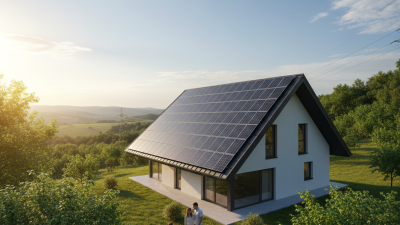
What are the Best Solar Off Grid Systems for Global Buyers
As the demand for renewable energy grows, many global buyers seek reliable Solar Off Grid Systems. These systems provide independence from the grid, allowing users to harness energy from the sun. Whether for rural homes, cabins, or emergency backup, choosing the right system can be overwhelming.
In the solar industry, expertise and experience matter. Various components, such as solar panels, batteries, and inverters, influence system performance. Finding the best fit requires thorough research. Some systems excel in efficiency while others focus on affordability. Potential buyers must balance these factors based on their specific needs.
However, not every solar off grid system meets expectations. Users may face installation challenges or underperforming components. It’s crucial to read reviews and consult experts before making a purchase. By understanding these nuances, global buyers can select a Solar Off Grid System that truly fulfills their energy needs.
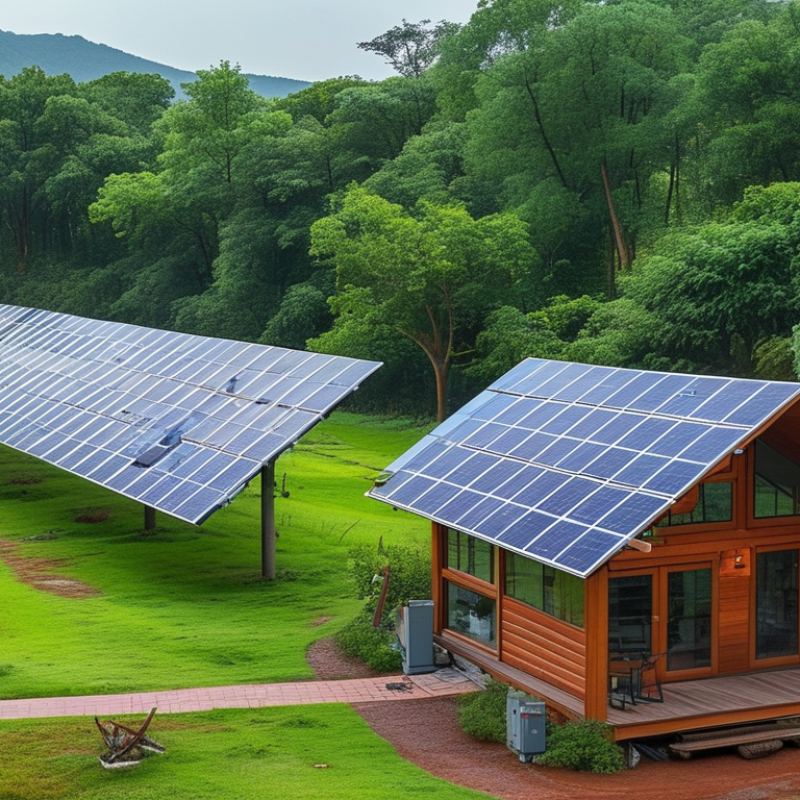
Overview of Off-Grid Solar Systems for Global Consumers
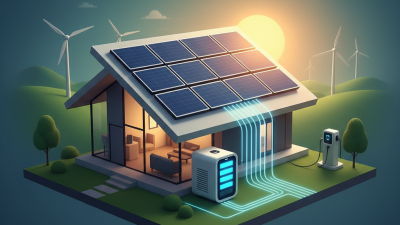
Off-grid solar systems provide an excellent solution for those seeking energy independence. These systems allow users to harness solar power without relying on traditional energy grids. Suitable for rural areas, cabins, or even emergency power, off-grid systems can meet various energy needs. They typically include solar panels, batteries, and inverters, transforming sunlight into usable electricity.
A key aspect of choosing an off-grid solar system is understanding your energy consumption. Assess how much power you need daily. This step helps in selecting the right size of solar panels and battery storage. It is important to consider factors like installation space, energy efficiency, and maintenance. Many systems offer flexibility but come with unique challenges. For instance, battery life and inverter capacity might not meet expectations, leading to frequent adjustments.
The market is filled with options that vary in complexity and cost. A simpler setup may suffice for occasional use, while larger households may need more robust systems. Homeowners must also keep in mind that extreme weather can affect performance. Researching local climate conditions can guide system selection. Off-grid solutions can empower consumers but require careful planning to be truly effective.
Comparison of Off-Grid Solar Systems by Capacity (kW)
Key Features to Consider in Solar Off-Grid Systems
When considering solar off-grid systems, several key features stand out. First, energy storage capacity is crucial. Most systems utilize lithium-ion or lead-acid batteries. Lithium-ion batteries typically offer a longer lifespan and higher energy density, making them a popular choice. Industry reports suggest that lithium-ion batteries can last between 10 to 15 years, while lead-acid batteries may only last 3 to 5 years. This longevity is a vital consideration for long-term investments.
Another essential feature is the inverter quality. A good inverter converts solar energy into usable electricity. It affects energy efficiency. Reports indicate that high-quality inverters can increase efficiency by up to 10%. This improvement is significant for maximizing energy output. Additionally, homeowners should assess whether the system allows for future expansion. As household energy needs grow, flexibility becomes valuable.
Finally, ease of installation and maintenance matters. Some systems require professional installation, while others can be set up by users. Complex installations can lead to additional costs and delays. Regular maintenance is necessary for optimal performance. Users often overlook this, which could lead to reduced efficiency over time. Research reveals that poorly maintained systems lose up to 25% of their efficiency. Therefore, understanding each feature is crucial for making informed choices.
Top Brands Offering Off-Grid Solar Solutions Worldwide
As off-grid living gains popularity, the demand for reliable solar systems grows. Research shows that 27% of global households are considering off-grid solutions. Various brands cater to diverse customer needs, from small cabins to large rural homes.
Many top companies offer tailored solar solutions. These brands provide panels, batteries, and inverters suited for various climates. Reports show that efficient systems can reduce energy costs by up to 80%. It's crucial to evaluate each brand’s warranty and customer support. Reliable feedback ensures sustainability and performance over time.
Tip: Ensure compatibility with existing equipment when planning your setup. Sometimes, older systems may not harmonize with newer technology.
Neglecting the right equipment could lead to inefficient energy use. Some users report disappointment after investing in high-capacity systems without testing their energy demands first. Proper planning and research can prevent costly mistakes.
Comparative Analysis of Off-Grid Solar System Costs
When considering off-grid solar systems, understanding costs is crucial. The average expense for a complete solar off-grid system ranges from $15,000 to $30,000. This variation often depends on system size and installation complexity. A report from the National Renewable Energy Laboratory suggests that the size of these systems needs to match energy demands accurately. Overloading a system can lead to inefficiencies and increased costs.
Regional differences also play a significant role in pricing. In North America, solar panel costs average around $2.80 per watt, whereas, in parts of Africa, costs can soar to $5.00 per watt. These discrepancies stem from supply chain issues and local market conditions. Furthermore, panel efficiency affects overall costs. Systems with higher efficiency may have higher upfront costs but yield greater savings over time.
It's also essential to evaluate long-term maintenance and battery replacement costs. Some systems require batteries every five years, while others can last ten years or more. Neglecting these factors can lead to unexpected financial burdens. As more buyers explore off-grid options, careful financial planning and awareness of market trends become vital for making informed decisions.
What are the Best Solar Off Grid Systems for Global Buyers - Comparative Analysis of Off-Grid Solar System Costs
| System Type |
Capacity (kW) |
Cost (USD) |
Panel Type |
Battery Type |
Average Lifespan (Years) |
| Basic Off-Grid System |
1.5 |
3,000 |
Monocrystalline |
Lead Acid |
5 |
| Advanced Off-Grid System |
3.0 |
5,500 |
Polycrystalline |
Lithium-Ion |
10 |
| Premium Off-Grid System |
5.0 |
9,000 |
Bifacial |
Lithium Iron Phosphate |
15 |
| Compact Off-Grid System |
1.2 |
2,500 |
Thin Film |
Gel Battery |
7 |
User Reviews and Experiences with Off-Grid Solar Systems
User reviews of off-grid solar systems often reveal practical insights and challenges. Many users appreciate the independence these systems provide. They enjoy the freedom from utility bills, especially in remote areas. However, some reported issues with installation. A few found the process complicated and time-consuming. Others mentioned that the initial costs can be daunting.
Experiences vary widely. Some users rave about the longevity and reliability of their systems. They report consistent energy production, even in cloudy conditions. On the other hand, a segment of users faced difficulties with battery life. Reports highlight that battery replacement can be expensive and inconvenient. Regular maintenance is also essential for optimal performance.
Community forums are rich with personal stories. Users often share tips to enhance system efficiency. Some recommend investing in quality components, while others discuss the importance of proper sizing. Feedback can be mixed, reflecting diverse experiences. Each user's journey with off-grid solar shows the importance of research and planning.