Top Solar Electric Products from China for Global Buyers?
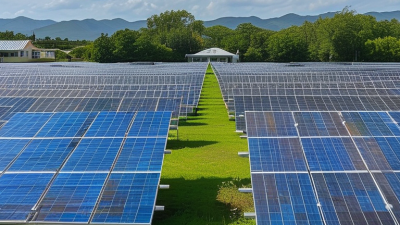
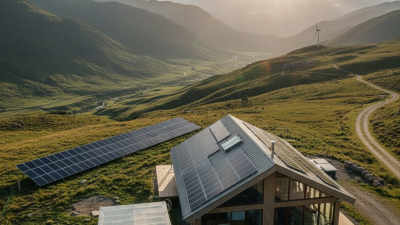
The rise of Solar Electric technology has transformed the energy landscape globally. In 2023, the global solar power capacity reached over 1,000 GW, a significant leap fueled by advancements in solar electric products. China has emerged as a key player, leading in both production and innovation. Reports indicate that Chinese manufacturers hold about 60% of the world market share in photovoltaic cells. This dominance is not just a statistic; it reflects China's commitment to renewable energy development.
Global buyers are increasingly turning to Chinese solar electric products. The combination of competitive pricing and cutting-edge technology makes these products attractive. However, challenges remain. Quality control issues and varying standards can affect performance and reliability. Buyers must navigate these complexities to ensure they choose the best products. Investing in Chinese solar electric solutions is not merely about cost savings—it requires careful evaluation of long-term value and sustainability.
Ultimately, the potential for growth in the solar electric market is vast. Experts predict that by 2025, solar energy could account for 25% of the world’s electricity needs. Those looking to invest in this vibrant market should approach with informed caution. A thorough understanding of the products and manufacturers is crucial for success. Smart purchasing decisions can lead to significant benefits, both financially and environmentally.
Overview of China's Solar Electric Industry and Its Global Impact
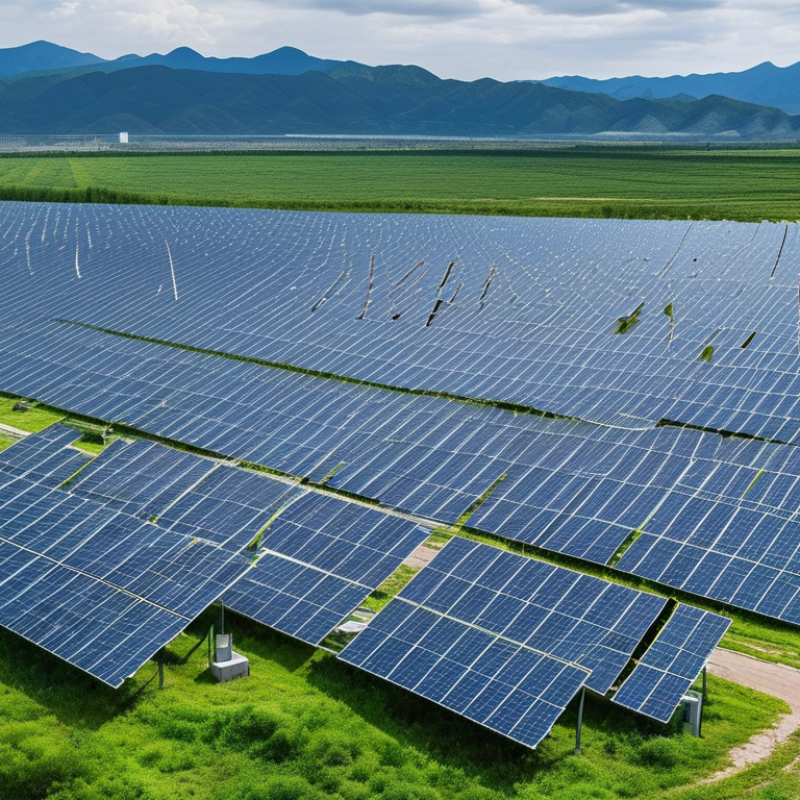
China plays a pivotal role in the global solar electric market. As of 2022, the country produced over 70% of the world's solar panels. This immense output not only reflects advanced manufacturing capabilities but also positions China as a key player. The National Energy Administration of China reported a generation capacity exceeding 300 GW, marking a significant jump from previous years.
However, challenges persist. The industry faces issues such as market saturation and environmental concerns. Reports indicate that not all solar products meet international quality standards. In fact, 20% of the solar modules exported were flagged for non-compliance in tests conducted by third-party agencies. This raises questions about the reliability of some products. Ensuring quality and sustainability is becoming a priority for manufacturers.
Global buyers must navigate these challenges carefully. They should prioritize suppliers that demonstrate compliance with international standards. This trend extends beyond just solar panels. Components, such as inverters and batteries, are also scrutinized. Developing partnerships with certified manufacturers can lead to more reliable solar energy solutions worldwide.
Key Manufacturers of Solar Electric Products in China
China has become a powerhouse in the solar electric products market. Recent reports indicate that China's solar module production capacity reached over 200 GW in 2022, highlighting its dominance. Several key manufacturers are leading this change, enabling the global shift towards renewable energy.
These companies often invest heavily in research and development, which drives innovation. By focusing on efficiency, they create products that maximize energy output. However, challenges remain. Supply chain issues and fluctuating material costs pose risks to manufacturing consistency. While China is a leader, reliance on certain materials may hinder future growth.
Tip: When sourcing solar products, examine not just prices, but also the manufacturer's quality certifications.
To make informed purchasing decisions, buyers should look at longevity and performance metrics. Understanding warranty terms can provide insight into durability. Nevertheless, not all manufacturers offer clear information, creating uncertainty for buyers. Always seek out transparent sources.
Tip: Conduct a thorough background check on potential suppliers. A solid reputation can save you headaches later.
Innovative Solar Technologies Emerging from China
China has become a hub for innovative solar technologies. The country is home to numerous research centers dedicated to solar energy advancements. These institutes focus on enhancing efficiency and reducing costs. Emerging technologies like bifacial solar panels are gaining traction. They capture sunlight from both sides, improving energy output.
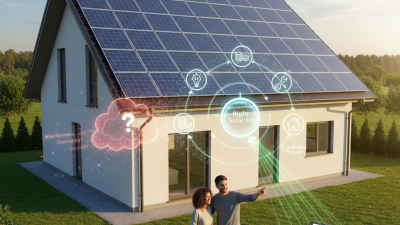
Another noteworthy development is the integration of smart technology. Solar inverters now come with advanced monitoring features. This allows users to track their solar production in real time. Users appreciate the ability to manage energy consumption efficiently. Such innovations have made solar installations more user-friendly.
However, the rapid growth brings challenges. Quality control remains a concern among global buyers. Not all products meet international standards. Buyers must navigate this landscape carefully. Innovation leads to variability in performance and durability. Understanding these nuances is essential for informed purchasing decisions.
Top Solar Electric Products from China for Global Buyers
| Product Type |
Power Output (W) |
Efficiency (%) |
Weight (kg) |
Warranty (Years) |
Price (USD) |
| Monocrystalline Solar Panel |
350 |
20.5 |
18 |
25 |
150 |
| Polycrystalline Solar Panel |
340 |
18.5 |
19 |
25 |
135 |
| Bifacial Solar Panel |
400 |
21.0 |
20 |
30 |
180 |
| Solar Inverter |
5000 |
98.0 |
15 |
10 |
350 |
| Solar Battery |
2000 |
90.0 |
25 |
10 |
200 |
Popular Solar Electric Products for International Markets
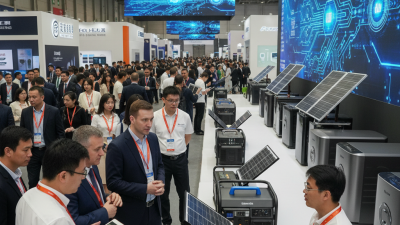
The global demand for solar electric products is rising. Many international buyers seek affordable and reliable options from China. These products often include solar panels, inverters, and batteries. They play a crucial role in renewable energy strategies worldwide.
Various solar panel models offer different efficiencies and price points. For example, polycrystalline panels are popular due to their lower cost, while monocrystalline panels yield higher energy output. Inverters are essential as they convert solar energy into usable electricity. Technology plays a key role in improving their efficiency.
China continuously innovates in solar technology, but some buyers worry about quality. Not all products meet stringent international standards. It’s vital for buyers to conduct thorough research and demand certifications. Many companies in China strive for quality, yet challenges remain. Ensuring durability and performance should always be a priority for international buyers.
Trends and Future Prospects for Chinese Solar Exports
The solar export landscape from China is witnessing remarkable shifts. In 2022, China accounted for over 50% of the global photovoltaic market share. This rise is notable given the competitive pricing and technological advancements within the industry. Data from the International Energy Agency (IEA) indicates that solar energy capacity has more than doubled in the last five years. This expansion reflects an unprecedented demand for renewable energy solutions.
Future prospects look promising but not without challenges. Global supply chain issues and material shortages have caused fluctuations in product availability. Analysts predict a continued increase in solar panel demand, potentially reaching a market size of $223 billion by 2026. However, the reliance on specific markets raises concerns about economic stability. Balancing production efficiency with sustainability is another hurdle that manufacturers must address.
China's dominance in solar exports raises questions about quality and energy transition. Reports indicate that while efficiency rates improve, inconsistencies in manufacturing practices can lead to reliability issues. Buyers must remain vigilant about sourcing practices. This dynamic industry requires trust in both technology and supply chain integrity. The future of solar exports hinges on innovation and ethical production methods.