Best On Grid Solar System Solutions for Global Buyers?
As the world pivots towards renewable energy, the On Grid Solar System stands out as a viable solution. This technology allows homeowners and businesses to generate clean electricity while staying connected to the traditional grid. Many buyers globally are seeking efficient and affordable options.
With a plethora of choices available, understanding the right On Grid Solar System can be challenging. Factors like system size, energy needs, and local regulations play a crucial role. It’s essential to seek expert advice and do thorough research. The right system can lead to significant savings and reduced carbon footprints. Yet, potential pitfalls exist—poor installation or substandard equipment can lead to frustrations.
This guide aims to help global buyers navigate their options. With insights from experts in solar technology, we provide a reliable overview of the best On Grid Solar System solutions. By focusing on trusted brands and proven strategies, we empower you to make informed decisions. However, always remain cautious and critically assess any offer, as not all systems guarantee optimal performance.
Overview of On Grid Solar Systems
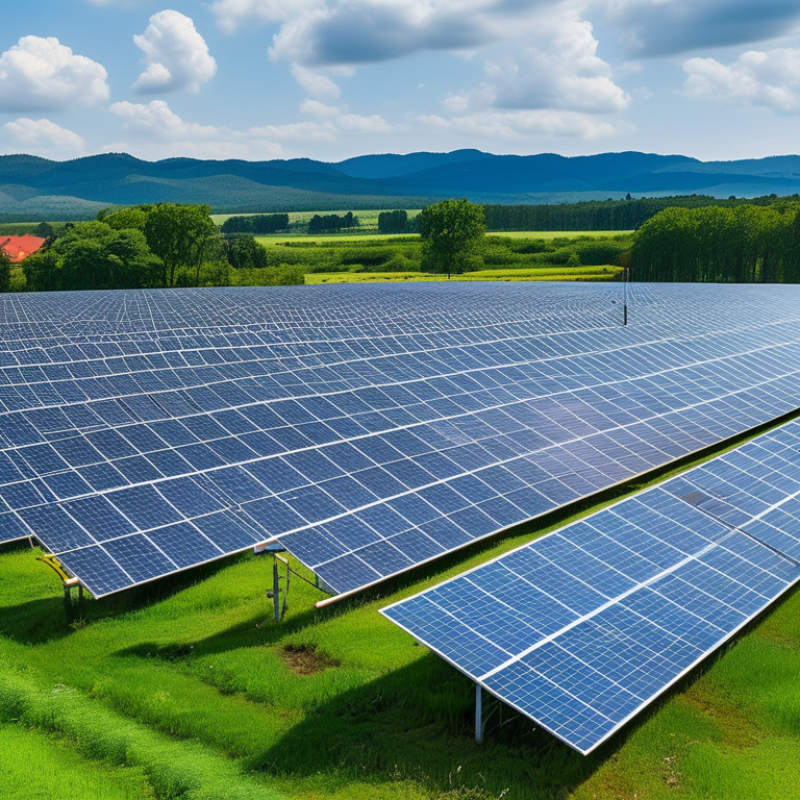
On-grid solar systems are pivotal in today’s renewable energy landscape. These systems enable homeowners and businesses to generate their own electricity while remaining connected to the grid. This connection allows for net metering, which can offset costs when solar production exceeds consumption. With energy prices rising globally, on-grid systems present a financially viable option.
Different components make up on-grid systems. Photovoltaic panels convert sunlight into electricity. Inverters turn this direct current into alternating current, which can be used in homes. These systems also require an efficient monitoring solution. Proper monitoring helps identify inefficiencies or malfunctions early, ensuring optimal performance. However, not all systems integrate smoothly with existing grid infrastructure, which can create challenges.
Choosing the right system involves more than just purchasing panels. Buyers need to assess local regulations and grid compatibility. Unexpected hurdles can arise, such as government incentives changing abruptly. Additionally, the decision-making process can be hindered by varying installation costs. It is essential for buyers to seek knowledgeable professionals who can provide grounded advice. An informed choice can lead to substantial energy savings and a lower carbon footprint.
Best On Grid Solar System Solutions for Global Buyers
| Parameter |
Value |
Description |
| System Type |
On-Grid |
Connected to the utility grid for energy exchange. |
| Average Cost |
$3,000 - $4,500 per kW |
Cost varies based on configuration and location. |
| Inverter Type |
String Inverter / Microinverter |
Converts DC electricity into AC electricity. |
| Efficiency Range |
15% - 22% |
Varies by solar panel technology and model. |
| Average Payback Period |
5 - 10 years |
Time taken to recover the cost through savings. |
| Warranty Period |
25 years |
Typical warranty period for solar panels. |
| Net Metering Availability |
Yes / No (varies by region) |
Ability to sell excess energy back to the grid. |
| Installation Time |
1 - 3 Days |
Duration to complete the installation. |
Key Components of On Grid Solar Solutions
On-grid solar systems have gained popularity among global buyers seeking sustainable energy solutions. These systems are designed to connect directly to the utility grid, allowing users to generate solar energy while keeping the grid as a backup power source. A key component of these solutions is the solar panel, which captures sunlight and converts it into electricity. Most panels are made of silicon-based materials. Their efficiency directly impacts the overall energy output.
Another crucial element is the inverter. This device transforms the direct current (DC) generated by the solar panels into alternating current (AC), which is compatible with home appliances. Choosing the right inverter can affect performance significantly. Additionally, monitoring systems are vital for tracking energy production. These systems provide insights into how much energy is saved, ensuring users get the best out of their solar investment.
However, not all installations guarantee maximum efficiency. Factors such as shading and orientation of solar panels can lead to underperformance. Regular maintenance checks can mitigate these issues, but challenges remain. Buyers must reflect on their specific energy needs. A thorough assessment will ensure they choose the best solution for their situation.
Evaluating Solar Providers for Global Markets
Evaluating solar providers for global markets involves multiple factors. A recent report by the International Energy Agency (IEA) highlights that the global solar market is expected to grow by 20% annually. This growth emphasizes the importance of selecting the right providers. They should offer reliable technology and strong support.
When assessing solar providers, consider their track record. Look at their installations, maintenance services, and customer reviews. Independent certifications can indicate the quality of a provider. According to the Solar Energy Industries Association (SEIA), consumer confidence is crucial. A trustworthy company builds a reputation over time.
Tips: Always ask for references. Talk to previous clients to get firsthand insights. Additionally, evaluate the company's warranty offerings. A long warranty can indicate their confidence in their technology. Reflect on your specific energy needs. Every project is unique and requires tailored solutions. Balancing cost and quality is key for global buyers.
Best Practices for Installation and Maintenance
When considering installation and maintenance of on-grid solar systems, adherence to best practices is crucial. According to the International Renewable Energy Agency (IRENA), poor installation can lead to efficiency losses of up to 30%. A meticulous installation process is essential to maximize energy output and ensure system longevity. Employing professional installers experienced in local regulations will mitigate common installation errors.
Routine maintenance is often overlooked. A report from the National Renewable Energy Laboratory (NREL) highlights that regular inspections can enhance performance by 10-15%. Cleaning the panels is another important factor. Dust and debris can significantly reduce energy generation. Even a slight build-up can decrease efficiency by 5%. Regular monitoring through digital tools can aid in identifying performance issues early.
The system's inverter also requires attention. Inverters typically have a lifespan of 5-10 years. Failing to replace a malfunctioning inverter can reduce overall system performance. While it's easy to overlook, diligent maintenance can prevent larger issues down the line. Each component must be treated with care to maximize the benefits of solar energy, ensuring a sustainable investment in clean energy solutions.
Cost-Effectiveness and ROI of On Grid Solar Systems
The growing popularity of on-grid solar systems stems from their cost-effectiveness. According to a report by the International Renewable Energy Agency (IRENA), the global average cost of solar photovoltaic (PV) electricity fell by 89% from 2009 to 2020. This significant price drop makes solar energy a viable option for many consumers.
A study by the National Renewable Energy Laboratory (NREL) indicates that homeowners can achieve a return on investment (ROI) of 20% or more through on-grid solar systems. This is especially true in areas with high electricity rates. Additionally, combining solar systems with net metering can further enhance savings. This allows users to sell excess power back to the grid, which can lead to decreased energy bills.
However, the effectiveness of on-grid systems can vary greatly. Challenges like installation costs, local solar incentives, and fluctuating electricity prices add complexity. Each location presents unique advantages and drawbacks. Potential buyers must carefully assess their specific needs and the local market conditions before investing. A personalized approach, considering local policies and energy needs, is essential for maximizing benefits.
Cost-Effectiveness of On Grid Solar Systems
This chart illustrates the cost-effectiveness and return on investment (ROI) of various on grid solar system solutions. The data reflects average installation costs and expected savings over a 20-year period for different system sizes.