MH Energy       Your Better Solar and Energy Partner

Leave Your Message

Top 10 Photovoltaic Panels Benefits You Should Know?

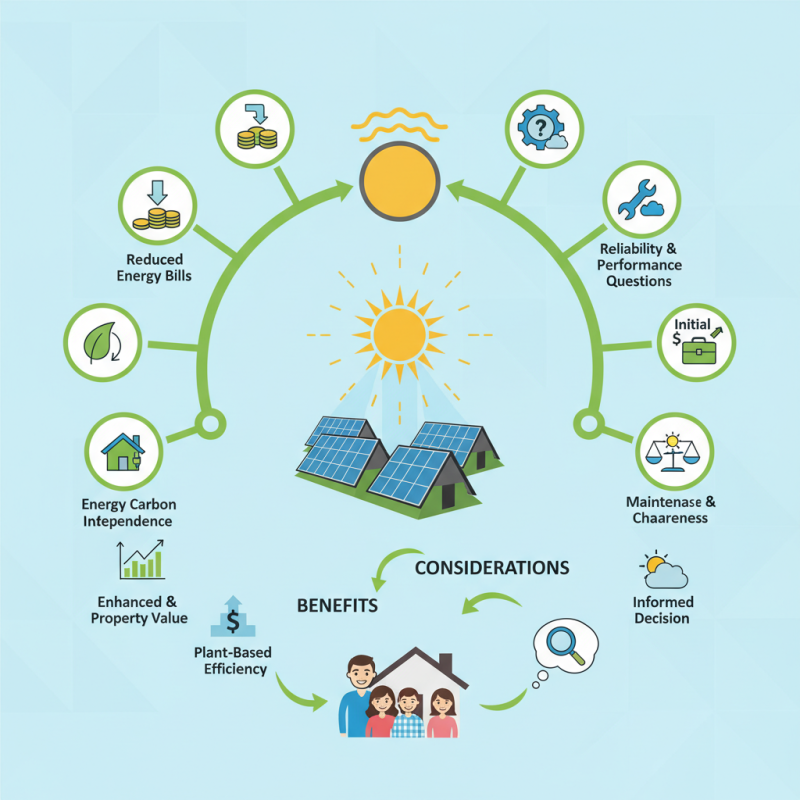
Photovoltaic Panels are transforming the energy landscape. These innovative devices harness sunlight, converting it into electricity. With plant-based efficiency rising, their importance grows daily.

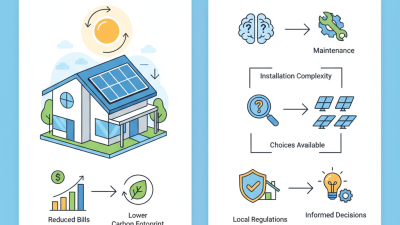
Many homeowners are discovering the advantages of these systems. Reduced energy bills and lower carbon footprints are just a glimpse of the benefits. However, not everyone feels confident in their investment. Questions about reliability and long-term performance linger.

Understanding Photovoltaic Panels can guide your decision. They can provide energy independence and enhance property value. Yet, without careful consideration, one might overlook potential drawbacks. Awareness of maintenance and initial costs is crucial. Embracing this technology requires reflection on both its promises and challenges.
Top 10 Photovoltaic Panels Benefits You Should Know?

Benefits of Photovoltaic Panels for Sustainable Energy Generation

Top 10 Photovoltaic Panels Benefits You Should Know?

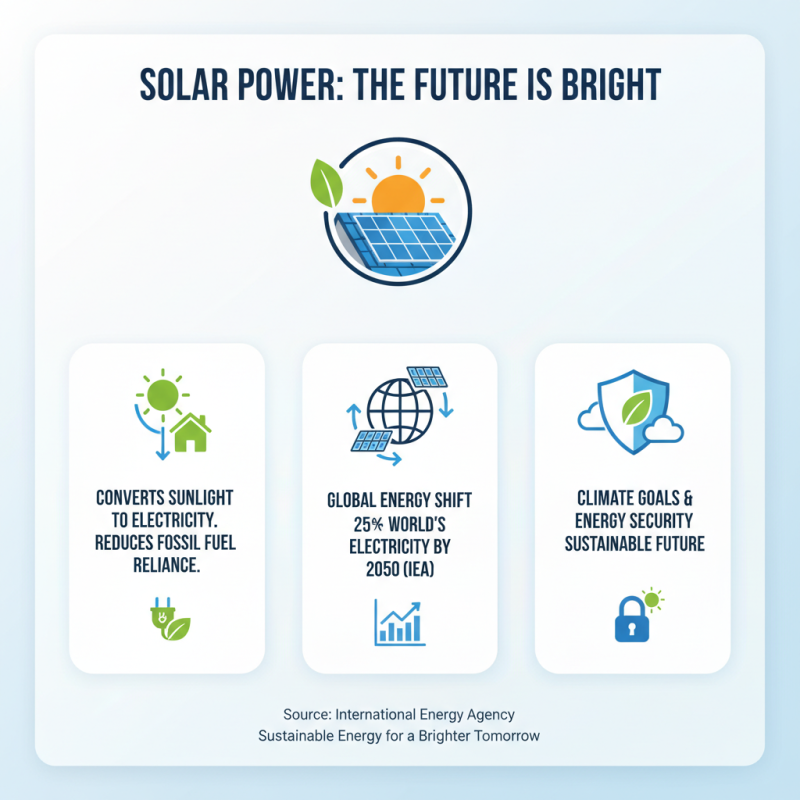
Photovoltaic panels play a crucial role in sustainable energy generation. These systems convert sunlight into electricity, reducing reliance on fossil fuels. According to the International Energy Agency, solar energy could provide over 25% of the world's electricity by 2050. This shift supports climate goals while ensuring energy security.

The benefits of photovoltaic panels extend beyond environmental impact. They often lower energy bills significantly. A study from the National Renewable Energy Laboratory found that residential solar installations could save homeowners up to 30% on energy costs. However, the initial investment can be high, and not everyone can afford it. Inequalities in access to this technology exist, which raises questions about equitable energy transitions.

Another advantage is their low maintenance requirements. Most solar panels can last 25 years or more with minimal upkeep. Yet, performance can degrade over time. Research shows that degradation rates typically hover around 0.5% per year. This means that, by the end of their lifespan, energy output may fall considerably. Balancing these factors is essential for making informed decisions.

Cost Savings Through Reduced Electricity Bills with Solar Panels

Solar panels offer significant savings on electricity bills. By harnessing the sun’s energy, homeowners can reduce their dependence on utility providers. This shift leads to lower monthly costs, which can add up over time. Many people notice a dramatic decline in their energy bills after installation. This financial benefit can be especially helpful for families on a budget.

Tip: Consider your location when investing in solar panels. Homes in sunny areas typically benefit more from solar energy. If your roof is shaded by trees or buildings, consider trimming or even relocating plants.

While the initial investment can seem daunting, the long-term savings are often rewarding. Many people find themselves pleasantly surprised by the reduction in their monthly expenses. Nevertheless, it’s necessary to calculate your energy needs before installing panels. Failing to do so can lead to overspending on a system that is too large.

Tip: Look into government incentives and local programs. They can help offset initial costs while also making the transition easier. You might find grants that provide significant financial aid, leading to even more savings. In the end, every dollar counts.

Cost Savings Through Reduced Electricity Bills with Solar Panels

Environmental Impact: How PV Panels Contribute to Carbon Footprint Reduction

Photovoltaic (PV) panels significantly reduce our carbon footprint. According to the International Energy Agency, solar energy can lower greenhouse gas emissions by up to 2.3 billion tons annually. This figure highlights the potential of solar technology in combating climate change. In fact, a single PV panel can offset around 1 ton of carbon dioxide emissions each year. Remarkably, this is equivalent to planting approximately 50 trees.

The environmental benefits extend beyond just emissions. PV panels help lessen the reliance on fossil fuels, which are a primary source of air pollution. A shift to solar energy can reduce local air pollutants, improving public health in urban areas. However, it’s crucial to consider the entire lifecycle of these panels. The production process involves energy-consuming manufacturing and sometimes harmful materials. This can lead to a debate on sustainability versus immediate environmental benefits.

Furthermore, while PV panels are efficient, they are not a silver bullet. The effectiveness of solar energy is dependent on location, sunlight exposure and weather patterns. In less sunny regions, the impact may be diminished. Nonetheless, the long-term benefits of integrating solar technology into our energy systems are still substantial. As we progress, addressing these imperfect aspects is essential for a sustainable future.

Top 10 Photovoltaic Panels Benefits You Should Know

Benefit Description Environmental Impact
Renewable Energy Source Generates electricity from sunlight, an abundant resource. Reduces reliance on fossil fuels.
Low Operating Costs Minimal maintenance needed once installed. Less pollution from energy production.
Energy Independence Reduces dependency on foreign energy sources. Supports national energy security.
Increase Property Value Homes with solar panels typically sell for more. Encourages sustainable living practices.
Tax Incentives Many governments offer tax credits for solar installation. Promotes renewable energy adoption.
Grid Stability Helps balance energy supply and demand on the grid. Reduces carbon emissions from traditional grids.
Job Creation Growing industry creates numerous jobs in installation and maintenance. Boosts local economies while promoting clean tech.
Reduction of Greenhouse Gases Solar energy contributes to lower emissions. Significantly mitigates climate change impact.
Energy Production Optimization New technologies improve efficiency and energy output. Enhances overall sustainability in energy use.
Sustainable Power Supply Provides a continuous energy supply as technology advances. Supports long-term environmental health.

Increasing Property Value with the Installation of Solar Power Systems

Installing solar power systems can significantly increase your property's value. Homebuyers are looking for energy-efficient options. A solar panel system can be an attractive feature. It signals lower energy bills and sustainability.

With rising energy costs, many people prefer homes with solar panels. This makes properties more competitive in the real estate market. A well-installed solar power system can yield a solid return on investment. However, not every installation is perfect. Poor workmanship or inadequate placement can lead to lower efficiency.

While integrating solar energy may seem straightforward, the planning phase often reveals issues. Some homes may not receive enough sunlight. Others might have roof designs that complicate installation. Owners need to weigh these factors carefully. Solar power systems can be an asset, but their effectiveness and appeal depend on various elements.

Long-Term Durability and Low Maintenance Needs of PV Technology

Top 10 Photovoltaic Panels Benefits You Should Know?

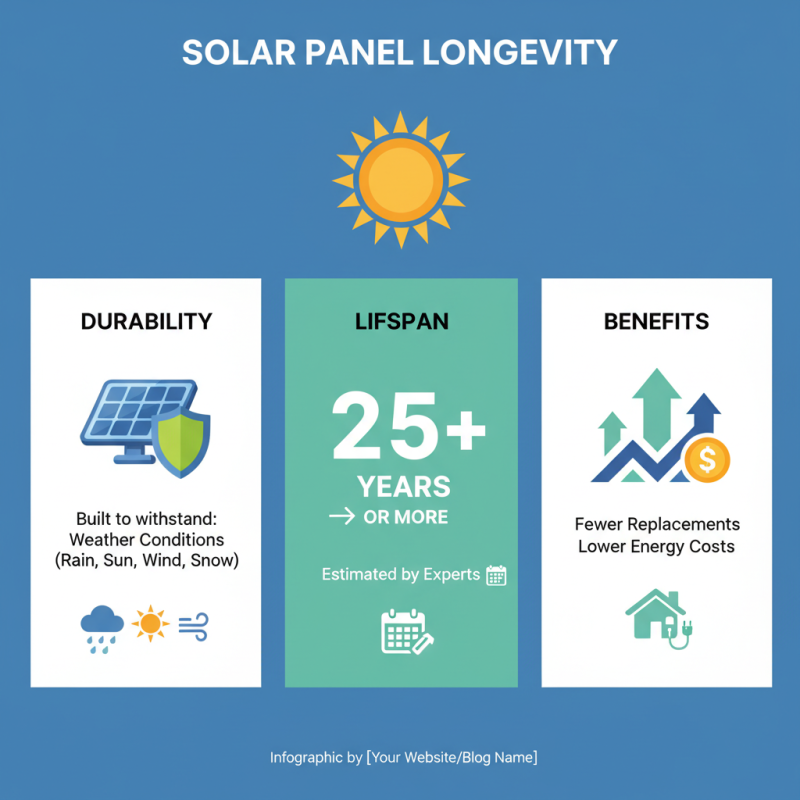
Photovoltaic (PV) panels are known for their long-term durability. These panels can withstand various weather conditions. They are built to last. Many experts estimate a lifespan of 25 years or more. In some cases, they even last longer. This resilience means fewer replacements. Overall, it leads to lower energy costs.

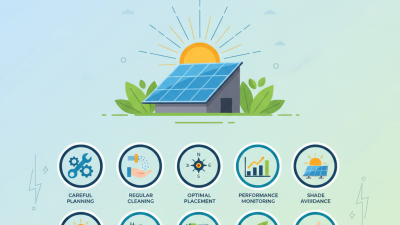
Maintaining PV panels is simpler than many assume. Regular cleaning is often all that's required. Dust and debris can reduce efficiency. It's best to check them at least twice a year. However, this task isn't too labor-intensive. In general, their design means fewer mechanical parts to worry about. This low maintenance helps keep expenses down.

**Tip:** Keep an eye on panel performance. Sudden drops in output may signal issues.

In addition, some homeowners overlook potential shading problems. Nearby trees or buildings can cast shadows on panels. Ideally, install PV systems in open areas. This helps optimize energy production. Regular inspections can catch these problems early. Catching them can prevent larger issues down the line.