Top 5 Tips for Choosing an On Grid Solar System Today?
In recent years, the adoption of On Grid Solar Systems has surged globally. According to a report by the International Energy Agency, solar power generated over 10% of global electricity in 2021. This trend highlights the importance of informed decision-making when choosing a solar system. With numerous options available, potential users face challenges that require careful consideration.
Investing in an On Grid Solar System not only reduces energy costs but also contributes to environmental sustainability. The latest market analysis shows that residential solar installations increased by 23% last year. However, misinformation and lack of clarity often lead to poor investment choices. Understanding system compatibility, installation costs, and regional incentives is critical.
As interest grows, so does the complexity of selecting the right system. Not everyone is equipped with the knowledge or resources to navigate this landscape. It is vital to reflect on both the benefits and challenges of solar energy. Armed with the right information, consumers can confidently choose an On Grid Solar System that aligns with their needs and goals.
Understanding On Grid Solar Systems and Their Benefits
Understanding on-grid solar systems is crucial for homeowners aiming to harness renewable energy. These systems connect directly to the power grid, allowing users to draw electricity as needed. According to the U.S. Energy Information Administration, residential solar installations grew by 20% in 2022, highlighting a significant shift toward renewable energy.
One advantage of on-grid systems is their cost-effectiveness. They often come with lower installation costs when compared to off-grid systems. Homeowners may also benefit from net metering. This arrangement allows excess energy to be sold back to the grid, further reducing energy bills. Despite the advantages, the dependency on the grid can pose risks during power outages.
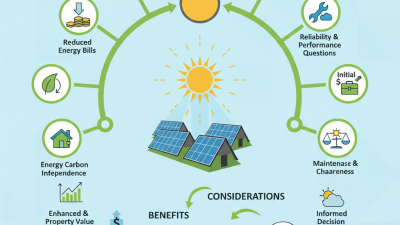
When choosing an on-grid solar system, consider these tips. Look for systems with high efficiency ratings. According to the National Renewable Energy Laboratory, higher efficiency panels significantly increase energy production. Assess your energy needs carefully. It’s essential to determine how much energy your home consumes monthly. Lastly, factor in local incentives. Many states offer rebates for solar installations, increasing your total savings.
Investing in an on-grid solar system offers significant benefits. However, there can be drawbacks. Grid dependence means that when utility service is interrupted, solar energy production doesn’t provide backup. Homeowners should weigh these considerations while planning their solar journey.
Top 5 Tips for Choosing an On Grid Solar System Today
| Tip |
Description |
Benefits |
| 1. Assess Your Energy Needs |
Calculate your average energy consumption to determine the appropriate system size. |
Helps in selecting a system that meets your specific energy requirements. |
| 2. Evaluate Roof Condition |
Ensure that your roof is in good condition and can support the solar panel installation. |
Prevents future repair costs and inefficiencies. |
| 3. Consider Local Regulations |
Understand local laws and zoning regulations related to solar installations. |
Ensures compliance and avoids potential fines or installation issues. |
| 4. Research Incentives |
Look for local, state, and federal incentives that can reduce installation costs. |
Maximizes your savings and return on investment. |
| 5. Choose a Reliable Installer |
Select a qualified and experienced solar installation company. |
Ensures efficient installation and quality service. |
Key Factors to Consider When Choosing an On Grid Solar System
When considering an on-grid solar system, several key factors come into play. The efficiency of solar panels should be one of your main considerations. Look for panels with good energy conversion rates. Typically, panels that convert over 20% of sunlight are deemed efficient. This efficiency directly impacts your energy bills.
Another important factor is the system's inverter. A reliable inverter converts solar energy into usable electricity. Poor-quality inverters can hinder performance and lead to higher maintenance costs. Ensure the inverter has a good warranty. This reflects on its expected lifespan and reliability.
Most importantly, analyze your energy needs. Take note of your household's electricity consumption. Solar systems should ideally match or exceed this demand. Pay attention to roof space and orientation. Sun exposure is crucial for maximizing solar gain. A small or shaded area might limit system effectiveness. Be realistic about your expectations, as solar might not suit every property perfectly. Assess your options carefully for the best results.
Evaluating Energy Needs and Consumption Patterns
When considering an on-grid solar system, evaluating your energy needs is crucial. Start by reviewing past utility bills. Look for patterns in your energy usage. Identify peak times when consumption is highest. This data helps tailor a solar solution that fits your lifestyle. Keeping an eye on your household habits can reveal opportunities for energy savings.
Next, consider future consumption. Are you planning to buy electric vehicles or additional appliances? Anticipating changes in your energy needs will help ensure that your solar system remains efficient and beneficial. It’s essential to account for this growth as you select a system size.
Additionally, remember that energy needs can fluctuate with seasons. Analyze how your consumption varies between summer and winter. This can impact how much energy you’ll derive from your solar panels. Flexibility is key in any energy strategy, and ongoing evaluation ensures that your solar system adapts to both your current and future needs.
Energy Consumption Patterns
Assessing Installation Costs and Financing Options
When choosing an on-grid solar system, assessing
installation costs is crucial.
Installation prices can vary significantly based on location and system size. Research local installers to get
accurate quotes. A detailed estimate should include labor, permits, and any additional materials.
Ensure you understand all components of the quote, as hidden fees could inflate overall costs.
Financing options play a key role in making solar energy accessible.
Many homeowners explore loans, leases, or power purchase agreements.
Each option has its pros and cons. Loans may require more upfront costs, while leases can offer lower initial investments.
It's important to evaluate your financial situation carefully. Utilize calculators to understand potential savings and payback periods.
You might encounter unexpected obstacles, like credit requirements or fluctuating interest rates, so be prepared for adjustments.
Researching Reputable Solar Providers and Warranty Offers
When looking for an on-grid solar system, researching reputable providers is crucial. Start by checking online reviews. Look for feedback on customer service and installation quality. This gives insight into a company's reliability. Talk to your neighbors about their experiences too. Personal recommendations often reveal valuable information.
Warranties are another important aspect. A quality solar provider will offer solid warranty options. Check the length of the warranties for both panels and inverters. A longer warranty usually indicates confidence in the product's durability. Read the fine print carefully. Some warranties have specific conditions that can affect coverage.
It's essential to assess your needs. Not every system is right for every home. Evaluate your energy consumption patterns first. You may find a more affordable option fits your requirements better. Consider getting multiple quotes. The price can vary significantly among providers. Gather different perspectives and compare them. This process can be tedious, but it leads to more informed decisions.