Top 5 Solar Power Generator Tips for Global Buyers at Canton Fair
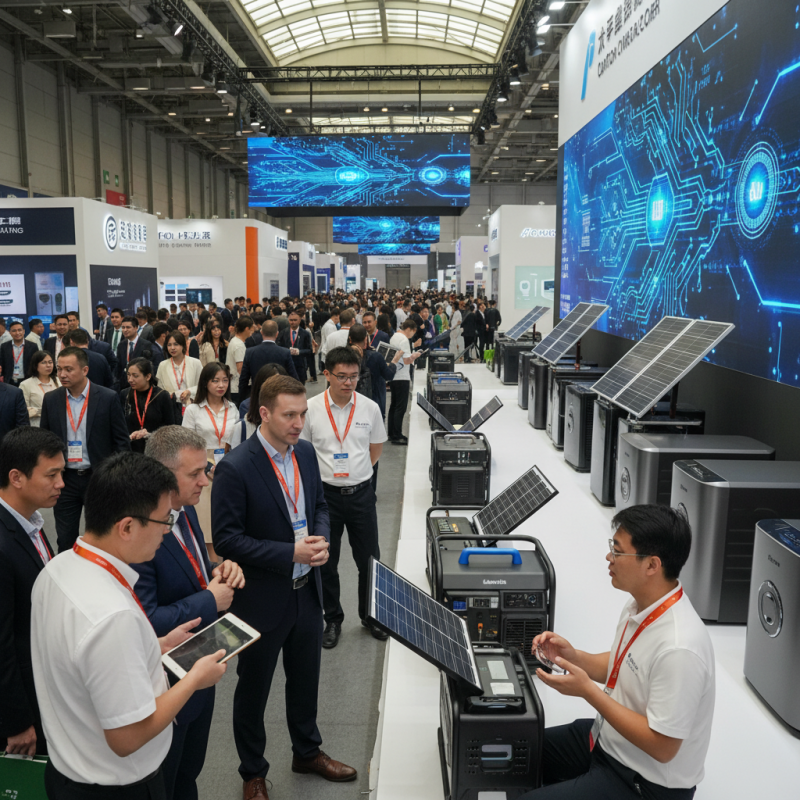
As global buyers prepare for the upcoming Canton Fair, understanding key aspects of Solar Power Generators becomes essential. This year’s event highlights advanced manufacturing and technology, making it a prime location for sourcing solar solutions. The fair runs from April 15 to May 5, showcasing innovations in various categories. With an emphasis on quality and efficiency, attendees must navigate a vast exhibition space of 1.55 million square meters.
The introduction of AI-powered search and navigation tools will aid buyers significantly. They can quickly find suppliers with the necessary qualifications, such as ISO and CE certifications. However, this sophisticated technology does not eliminate the need for diligence. Buyers should still research and verify suppliers before making commitments. A lack of due diligence can lead to issues like inferior products or untrustworthy partners.
Investing in a Solar Power Generator offers many benefits, but the selection process requires careful consideration. Potential buyers must assess their specific needs and the quality of available options. Relying solely on technology without personal evaluation may result in missed opportunities. Engaging with suppliers directly is crucial to ensure products meet expectations and standards.
Understanding Solar Power Generators: Market Trends and Growth Projections
The solar power generator market is evolving rapidly. Many regions are seeing increased demand.
Consumers want clean energy solutions. Buyers at the Canton Fair benefit from understanding these trends.
The interest in solar products is on the rise. Growth projections indicate a bright future for this industry.
When exploring solar power generators, consider energy efficiency. Multifunctional designs appeal to a broader audience.
Buyers should also prioritize portability for outdoor activities. It’s essential to evaluate
battery life and charging speed. These factors significantly impact user experience.
Stay informed about technological advancements. New features can enhance performance. Some products may have limitations.
Buyers should research thoroughly. Not every option will meet individual needs. The right choice requires careful consideration and understanding of market dynamics.
Evaluating Efficiency Ratings: Key Metrics for Solar Generator Performance
When evaluating solar power generators, efficiency ratings play a crucial role. These ratings provide insights into how well a generator converts sunlight into electricity. Higher efficiency means more energy output for the same amount of sunlight. Look for models with efficiency ratings above 15%. However, it's essential to assess these ratings in real-world conditions.
Another important metric is the power output. This measures how much energy a solar generator can produce under optimal conditions. Don’t just focus on peak output. Consider average daily performance as well. Sometimes, manufacturers may exaggerate peak figures. Understanding actual usage scenarios is critical for effective comparisons.
Additionally, check battery capacity. A high capacity means longer usage before needing a recharge. However, this could lead to increased weight and cost. Weigh the pros and cons of larger capacities. Also, inspect the generator's durability metrics. Weather resistance and longevity are vital for long-term investment. A generator that fails too soon can lead to unexpected costs and disappointment.
Cost Analysis: Budgeting for Solar Generators in Global Markets
Budgeting for solar generators can be challenging for global buyers, especially at trade events like the Canton Fair. The demand for these devices has soared, with the global solar generator market projected to reach $2.4 billion by 2027, according to a report by Fortune Business Insights. This rapid growth reflects the shift toward sustainable energy solutions. However, understanding the cost factors is essential for making informed purchasing decisions.
A detailed cost analysis reveals that solar generators typically range from $500 to $3,000 depending on capacity and features. Many buyers may underestimate additional expenses such as shipping, customs duties, and installation. Reports indicate that nearly 30% of buyers encounter unexpected costs in these areas. Moreover, the life cycle and performance characteristics of solar generators should be evaluated. Efficiency losses in cheaper models may lead to increased long-term expenses.
Investing in high-quality solar generators often requires initial sacrifice, but it can yield better returns. Buyers need to carefully analyze their energy needs and consider potential environmental impacts. There is also a disparity in pricing across different regions. It’s common to find that similar models are priced 15% to 20% higher in markets with less competition. Awareness of these factors will aid buyers in making smarter investment choices.
Top 5 Solar Power Generator Tips for Global Buyers at Canton Fair - Cost Analysis: Budgeting for Solar Generators in Global Markets
| Tip |
Description |
Estimated Cost (USD) |
Market Advisory |
| 1. Research Local Regulations |
Understand the import regulations and tariffs in your market. |
Free |
Essential for compliance and cost management. |
| 2. Evaluate Product Quality |
Check certifications and quality standards of the generators. |
$500 - $1,500 |
Invest in reliable products to reduce long-term costs. |
| 3. Compare Shipping Costs |
Get quotes from various logistics companies for best rates. |
$200 - $800 |
High shipping costs can impact the overall budget. |
| 4. Assess After-Sales Support |
Ensure suppliers provide adequate warranty and support. |
$100 - $300 |
Helps in managing potential repair costs. |
| 5. Budget for Installation |
Include installation and setup costs in your budget. |
$100 - $500 |
Installation quality can significantly affect performance. |
Sustainability Practices: Environmental Impact of Solar Generators
Sustainability is a growing concern for everyone. Solar generators present a cleaner alternative to traditional energy sources. They produce minimal emissions, reducing the carbon footprint significantly. This makes them an attractive option for global buyers at trade events like the Canton Fair.
However, the production of solar generators is not without its challenges. Materials required for solar panels often come from mining operations, which can disrupt ecosystems. Furthermore, not all manufacturers follow sustainable practices. Buyers should question the sourcing and manufacturing processes.
Choosing a solar generator is not just about cost or efficiency. It's vital to consider the lifecycle of the product. What happens to it at the end of its life? Is there a recycling program? These factors truly determine the environmental impact. As buyers, it’s essential to reflect on these questions. Responsible consumption means prioritizing sustainability throughout the entire lifecycle of solar products.