Best Solar Off Grid System Advantages and Installation Tips?
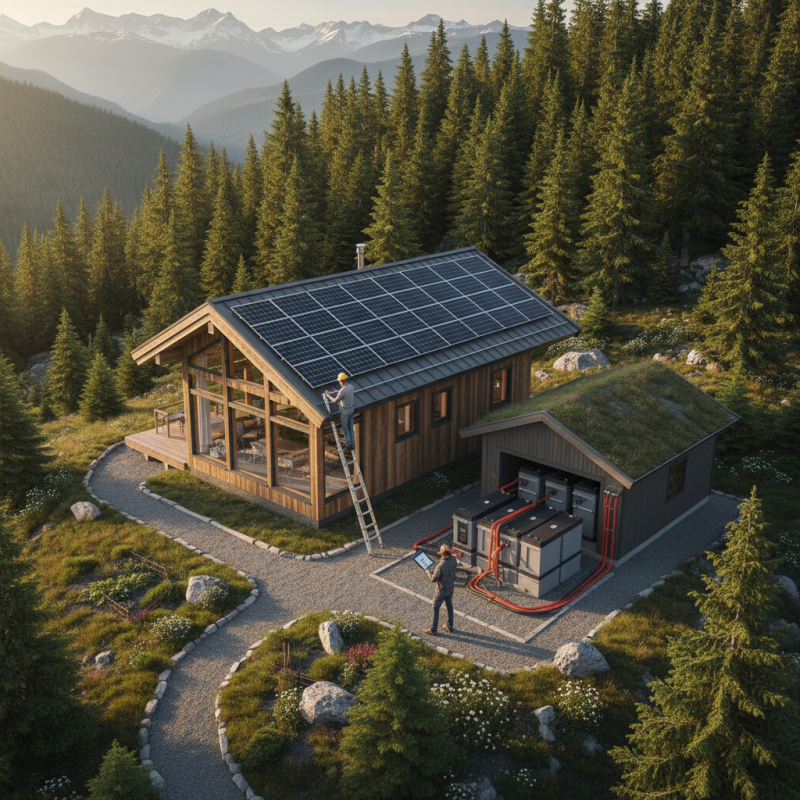
The Solar Off Grid System offers a sustainable solution for energy independence. This system allows homeowners to generate their own electricity, reducing reliance on the grid. Many people appreciate the freedom it brings.
Installing a Solar Off Grid System can seem daunting. You might face challenges during the process. It is important to understand your energy needs. Researching equipment is crucial. Choosing the right components impacts performance.
Consider the space available for installation. Each setup is unique. Some systems might require more batteries, while others focus on solar panels. Take time to plan and reflect on your choices. Mistakes can happen. Learning from them contributes to a better overall setup.
Advantages of Solar Off-Grid Systems for Energy Independence
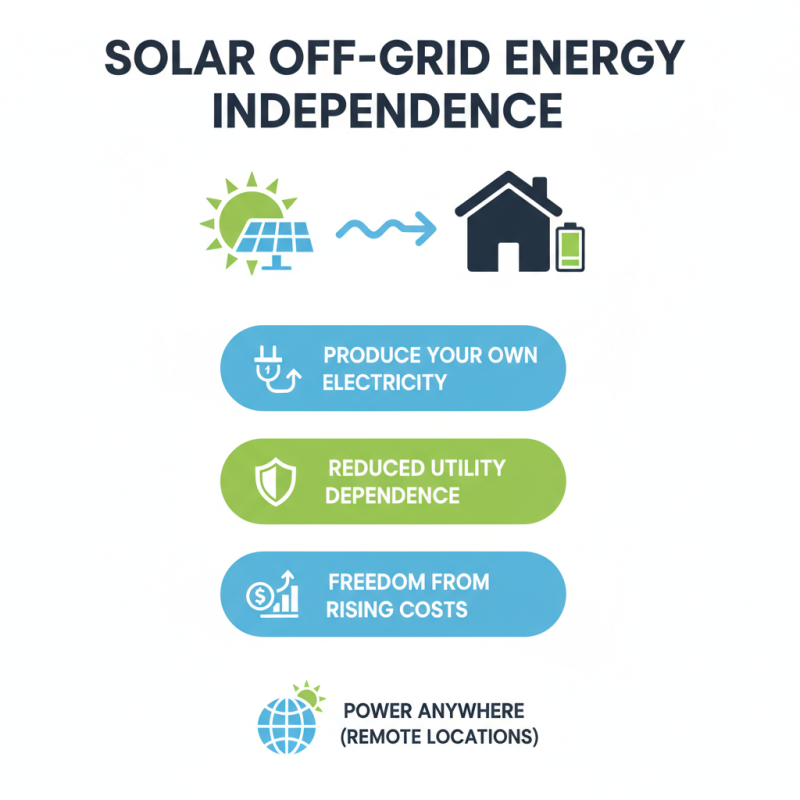
Solar off-grid systems provide energy independence. They allow users to produce their own electricity. This reduces dependence on utility companies. Many people seek freedom from rising energy costs. With an off-grid system, you can harness solar power anywhere. This is a huge advantage for remote locations.
The installation of an off-grid solar system requires planning. You must consider energy needs and available space. Batteries are crucial for storing energy. Regular maintenance is necessary to ensure longevity. Some may find it challenging to maintain their system. You might also face hurdles in installation. Hiring professionals can be expensive, but it often saves time.
Energy independence is appealing, but challenges exist. It’s essential to have realistic expectations. Weather can affect solar energy production. Long rainy seasons may reduce output. Users sometimes find it hard to balance energy consumption. Therefore, understanding and planning for your energy needs is key. Consider the trade-offs before diving in.
Key Components of an Effective Solar Off-Grid System
An effective solar off-grid system comprises several key components. The solar panels, responsible for capturing sunlight, are the heart of the system. According to the National Renewable Energy Laboratory, high-quality panels can convert about 15-20% of sunlight into electricity. Proper placement is crucial, as panels should face the sun directly for optimal energy production.
Next, inverters are essential. They convert the direct current (DC) generated by the panels into alternating current (AC) for home use. Choosing the right inverter affects overall efficiency and energy output. Battery storage is another critical element. A well-sized battery bank ensures energy availability during cloudy days or at night. Reports from the Solar Energy Industries Association indicate that a well-calibrated battery can enhance system reliability by up to 30%.
It's also important to consider the charge controller. This component regulates voltage and current, protecting batteries from overcharging. Size and capacity must be chosen based on the system's energy needs. Neglecting any component can lead to inefficiencies or system failure. For instance, an undersized battery may limit energy access, especially during peak usage times. Each element plays a vital role in overall effectiveness and sustainability.
Best Solar Off Grid System Advantages and Installation Tips
| Component |
Description |
Advantages |
Installation Tips |
| Solar Panels |
Photovoltaic modules that convert sunlight into electricity. |
Renewable energy source, reduces electricity bills. |
Ensure correct orientation for maximum sunlight exposure. |
| Battery Storage |
Stores excess energy generated by the solar panels. |
Provides energy during nighttime or cloudy days. |
Choose deep-cycle batteries for better performance. |
| Charge Controller |
Regulates voltage and current coming from the solar panels. |
Prevents battery overcharging, extends battery life. |
Select a controller based on system voltage and battery type. |
| Inverter |
Converts DC electricity from the solar panels or batteries to AC electricity. |
Allows the use of standard household appliances. |
Ensure the inverter matches the energy load requirements. |
| Mounting System |
Hardware to secure solar panels to rooftops or ground. |
Ensures stability and optimal angle for sun exposure. |
Use durable materials to withstand weather conditions. |
Step-by-Step Guide to Planning Your Off-Grid Solar Installation
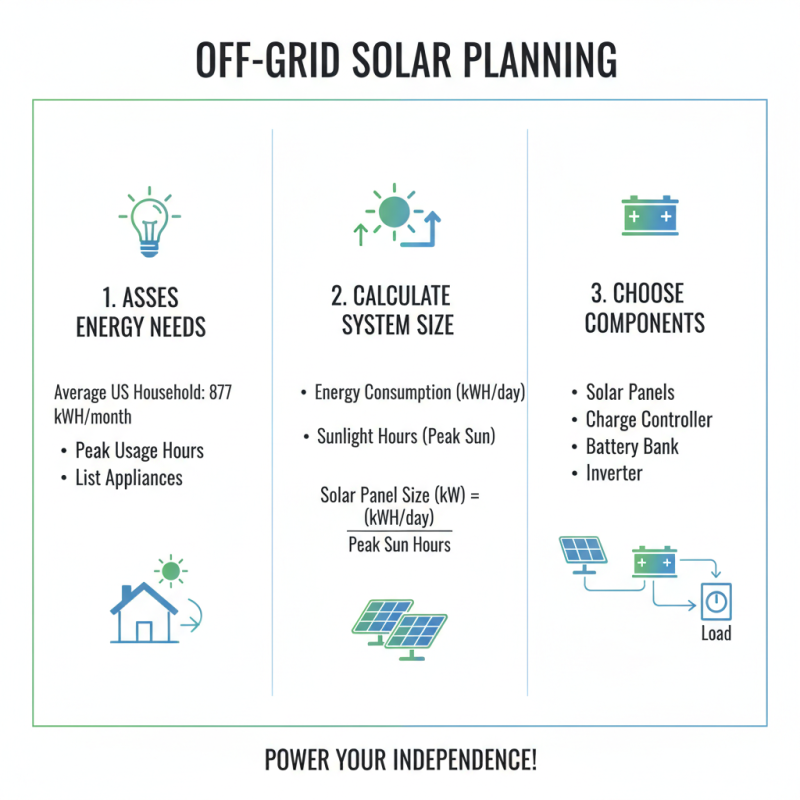
Planning an off-grid solar installation involves careful consideration. Start by assessing energy needs. The average American household consumes about 877 kWh per month. Determine your peak usage hours and the appliances you will run. This data will guide your solar system size.
Next, evaluate your location's solar potential. According to the National Renewable Energy Laboratory, regions with high sun exposure can generate more solar energy. Analyze shading patterns from trees or buildings that might affect output. A detailed analysis will help in choosing the optimal panel positions.
Once the planning stage is complete, focus on installation. DIY options can save costs, but require some expertise. Miscalculations in panel placement can lead to inefficiencies. Always ensure safety measures are in place, like using proper mounting systems. Invest in durable components to extend system lifespan. Regular maintenance checks are essential for sustained performance. Remember, every installation presents learning opportunities and adjustments.
Essential Tips for Installing Solar Panels Off the Grid
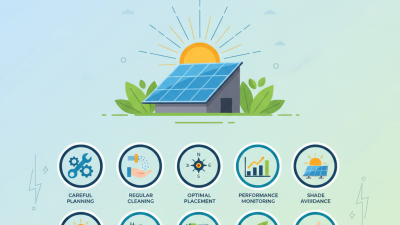
When installing solar panels off the grid, preparation is key. Start by assessing your energy needs. Calculate daily usage by looking at your appliances. Consider the peak sun hours in your area. This will guide your panel selection and placement. Choose a location with minimal shade, as shadows can reduce efficiency.
Mounting options vary. You can use roof mounts or ground mounts based on your property. Understand the local regulations for installation. Some areas may require permits, which can delay your project. Be aware of zoning laws that might affect your system.
Wiring and battery storage are crucial aspects. Use quality components to ensure longevity. However, mistakes can happen. Double-check electrical connections to avoid issues. Additionally, evaluate your battery system. It should support your energy needs and allow for expansion. This might require adjustments along the way. Regular maintenance is essential as well. Keeping an eye on performance can lead to improvements over time.
Common Challenges and Solutions for Off-Grid Solar Systems
Off-grid solar systems offer a pathway to independence but come with challenges. One common issue is energy storage. Users often underestimate the battery capacity needed for cloudy days. This can lead to frustration when power runs out unexpectedly. It's crucial to assess your energy needs accurately before installing a system. If your energy demand is unclear, consider tracking your usage for a week.
Another challenge is space for installing solar panels. Many expect to fit panels on rooftops, but not all homes are suitable. Ground-mounted systems can be an alternative, yet they require more land. Planning your installation site can help avoid this issue. Ensuring there are no obstructions, like trees, can maximize sun exposure.
Weather conditions also pose potential setbacks. Heavy snow can cover panels, reducing efficiency. Regular maintenance, including snow removal, is essential. Some users might forget this and face energy shortages in winter. Having a backup generator could be a wise consideration. It’s a safeguard against unexpected shortfalls. Ensuring you’re prepared for these challenges makes off-grid living more sustainable.