What is an On Grid Solar System and How Does It Work?
An On Grid Solar System is a widely adopted solution for harnessing solar energy. These systems connect to the utility grid. They allow users to both consume solar energy and draw power from the grid when necessary. This setup is becoming increasingly popular due to its efficiency and cost-effectiveness.
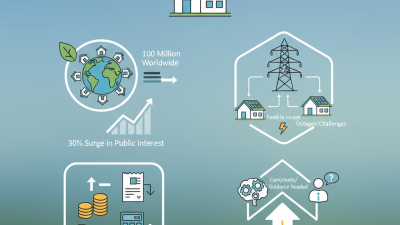
Using an On Grid Solar System has several advantages. It can significantly lower energy bills. Users can often sell excess energy back to the grid. However, some challenges exist. For example, these systems rely on the grid's electricity to function optimally. If the grid goes down, so does your power supply. This dependency can make the system less reliable during outages.
Understanding how an On Grid Solar System works is essential for homeowners considering solar energy. With the right information, they can make informed decisions. This knowledge can lead to substantial financial savings and a smaller carbon footprint. However, potential buyers should carefully evaluate their energy needs and local regulations.
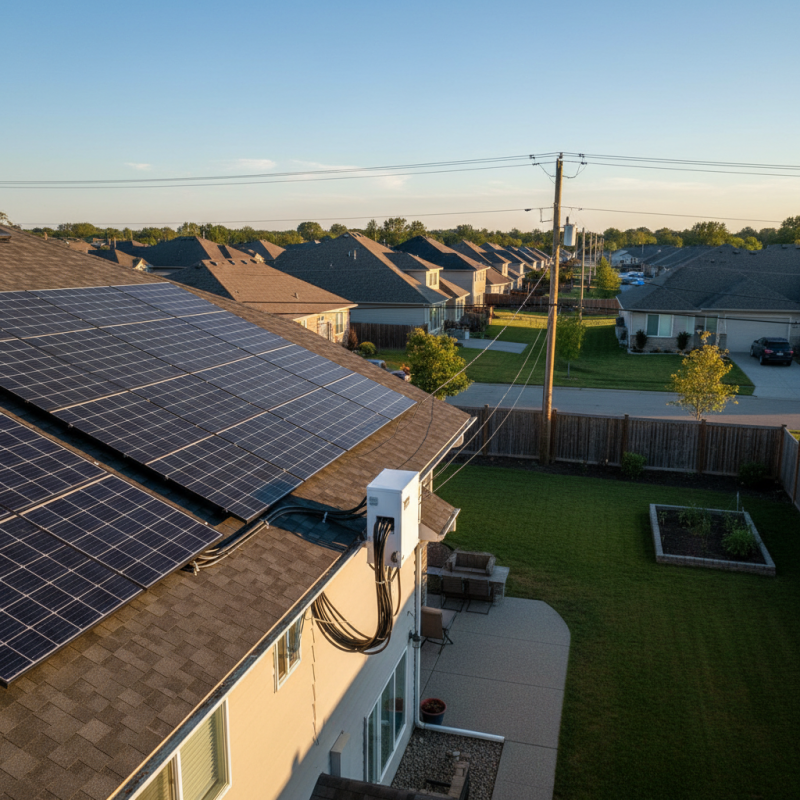
What is an On Grid Solar System?
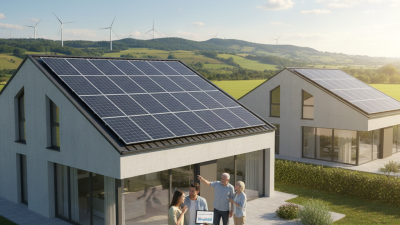
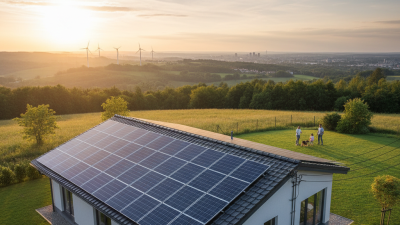
An on-grid solar system, also known as a grid-tied solar system, connects directly to the utility power grid. It primarily relies on sunlight to generate electricity. When the sun shines, solar panels capture sunlight and convert it into usable electricity. This energy is used to power your home or business. Any excess electricity generated is sent back to the grid.
Living in an area with reliable sunlight is key for efficiency. If your system produces more energy than you need, you can receive credits from your utility company. This helps offset future electric bills. However, during nighttime or cloudy days, you will use electricity from the grid. It's essential to understand your energy consumption patterns in order to maximize savings.
Tips:
It's wise to monitor your solar energy production regularly. This will help you identify any performance issues. Additionally, consider installing a solar battery for backup power. It can store excess energy for later use.
On-grid systems are often easier to maintain. They don't require complex battery systems. However, if the grid goes down, your system will also stop working for safety reasons. This is a point to consider for those who rely heavily on uninterrupted power.
Components of an On Grid Solar System
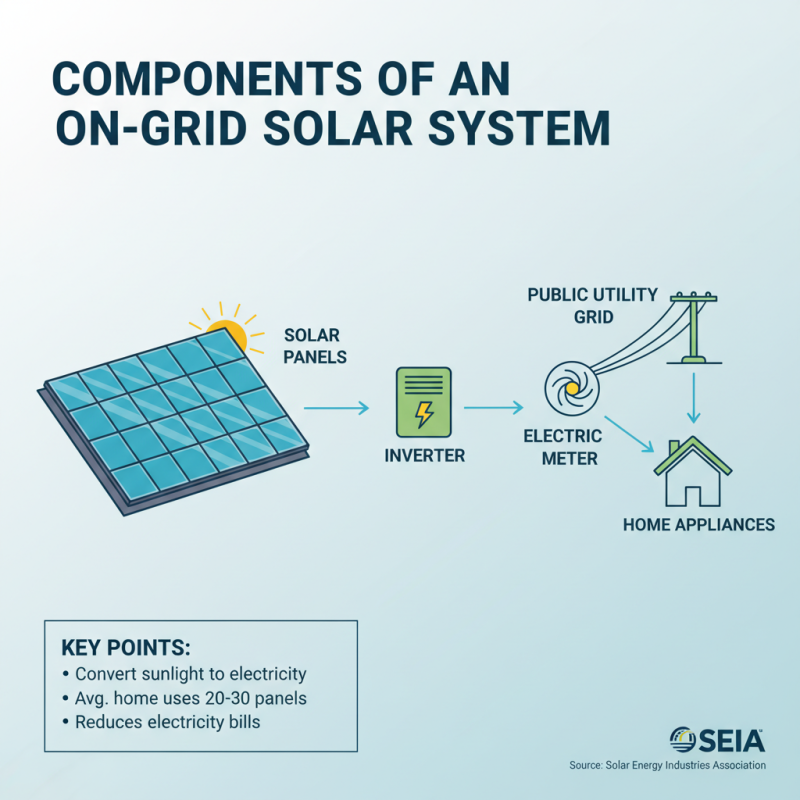
An On Grid Solar System primarily comprises several key components that work in synergy. The solar panels are the most visible part. They capture sunlight and convert it into electricity. Typically, a residential system uses around 20 to 30 panels, depending on energy needs. A report by the Solar Energy Industries Association (SEIA) indicates that the average household requires about 9,000 kilowatt-hours annually, meaning a well-optimized system can significantly reduce electricity bills.
The inverter is another crucial component. It transforms the direct current (DC) produced by the solar panels into alternating current (AC), which is usable in homes. The efficiency of modern inverters can exceed 97%, according to industry studies. There can be an unexpected downside, though: inverters may require replacement every 5 to 10 years, an additional cost to consider.
Lastly, the connection to the grid plays a vital role in the system's operation. It allows for the sale of excess energy back to the utility company, providing financial benefits. However, grid dependency can be a flaw. Interruption in service can affect the system’s function. A thorough analysis of potential outages is essential for effective system planning.
How an On Grid Solar System Generates Electricity
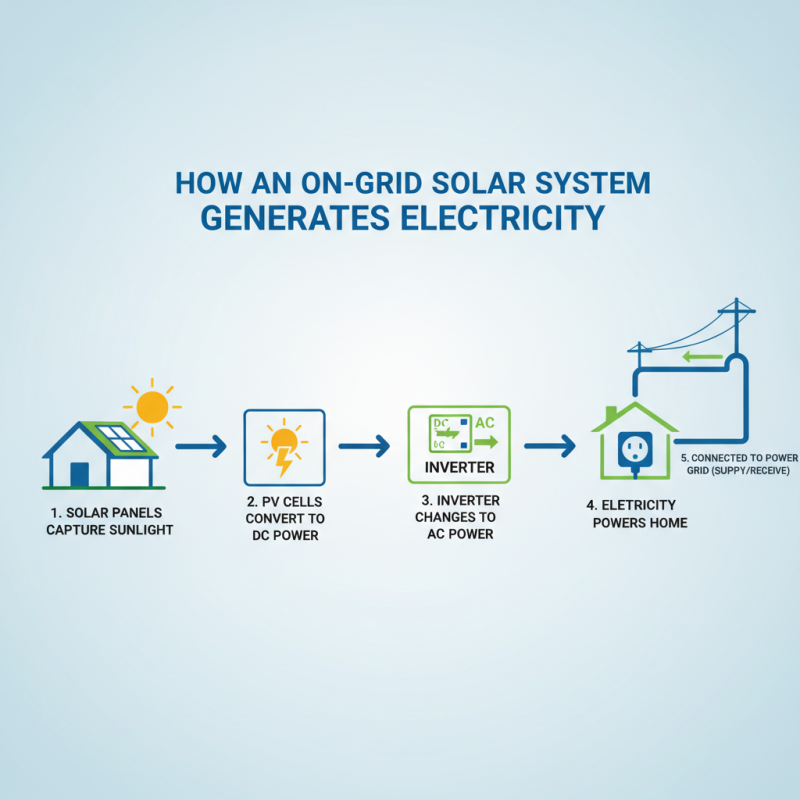
An on-grid solar system connects directly to the power grid. It relies on solar panels to capture sunlight. These panels convert sunlight into electricity through photovoltaic cells. This process generates direct current (DC) electricity. An inverter transforms this DC into alternating current (AC), which is the form of electricity used in homes.
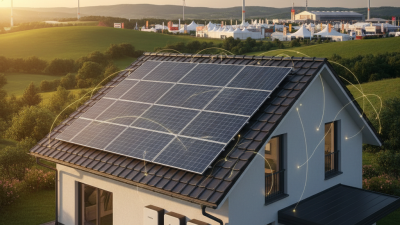
The generated electricity powers household appliances. Any excess electricity is sent back to the grid. Homeowners may receive credits for this surplus energy. This arrangement can lower utility bills significantly. However, if the grid fails, the system shuts down. This means households lose power during outages, despite generating solar energy.
Choosing an on-grid system has many benefits. It's typically more affordable than off-grid options. However, it raises questions about energy independence. Homeowners must weigh these factors carefully. Understanding the interplay between solar generation and grid reliance is crucial.
Advantages of Using an On Grid Solar System
On-grid solar systems are increasingly popular for their numerous advantages. One key benefit is cost efficiency. According to a report by the International Renewable Energy Agency (IRENA), solar energy costs have decreased by nearly 89% since 2010. This makes solar energy competitive with traditional fossil fuels.
Another significant advantage is energy independence. Homeowners can generate their own electricity. During sunny days, excess energy is sent back to the grid, potentially reducing electricity bills. The Solar Energy Industries Association (SEIA) states that U.S. solar capacity grew 167% from 2016 to 2021. This growth reflects a shift toward sustainable energy, benefiting both consumers and the environment.
However, some challenges do exist. On-grid systems rely on the electricity grid. In cases of power outages, these systems typically do not operate. Many homeowners might not be aware of this limitation. Additionally, upfront costs can still deter potential adopters. Considering these factors is essential for anyone looking to invest in solar energy.
What is an On Grid Solar System and How Does It Work? - Advantages of Using an On Grid Solar System
| Feature |
Description |
Advantages |
| Grid Connection |
An On Grid solar system is connected to the utility grid, allowing for the export of excess power generated. |
Reduced electricity bills through net metering. |
| Components |
Includes solar panels, inverters, a meter, and utility connection. |
Easy maintenance due to standard components. |
| Energy Management |
System manages energy flow between the solar panels, storage (if any), and the grid. |
No need for battery storage, reducing upfront costs. |
| Environmental Impact |
Helps reduce carbon footprint by utilizing renewable energy. |
Contributes to a sustainable future and reduces reliance on fossil fuels. |
| Cost Efficiency |
Lower initial investment compared to off-grid systems. |
Potential government incentives and rebates for installation. |
Limitations and Considerations for On Grid Systems
On-grid solar systems are popular for their ability to connect directly to the utility grid. While they offer many benefits, there are limitations to consider.
One significant issue is dependence on the grid. If the grid goes down, the solar system will not function. This can lead to outages for homeowners who rely solely on this setup.
Additionally, weather conditions can dramatically affect solar energy production. During cloudy days or at night, energy generation decreases. Homeowners may still need to rely on traditional energy sources during these times.
It’s essential to evaluate local climate conditions before investing in on-grid systems.
Another factor to consider is potential energy costs. While solar can reduce bills, users are still subject to grid fees and tariff changes. Changes in government policies may also affect solar incentives.
With fluctuating regulations, long-term planning becomes crucial. A thorough understanding of these limitations helps homeowners make informed decisions about their energy needs.