How to Install a Home Solar Energy System for Beginners?
Installing a Home Solar Energy System has become more accessible than ever. According to the Solar Energy Industries Association (SEIA), the solar energy market has grown by over 20% each year since 2015. This surge reflects a global shift towards sustainable energy and environmental responsibility. Homes equipped with solar systems can save significantly on electricity bills. In fact, homeowners can save between $10,000 to $30,000 over the lifespan of their solar panels.
However, beginners may feel overwhelmed by the installation process. Often, crucial details can be overlooked, leading to inefficiencies. Whether it's selecting the right panels or understanding local regulations, a misstep can hinder performance. The National Renewable Energy Laboratory (NREL) reports that improper installation reduces the overall efficiency of solar systems by about 10-25%. It's essential to acknowledge these challenges while navigating the complexity of going solar. Yet, with the right guidance and resources, anyone can turn their home into a solar-powered haven.
Understanding Solar Energy Basics for Home Use
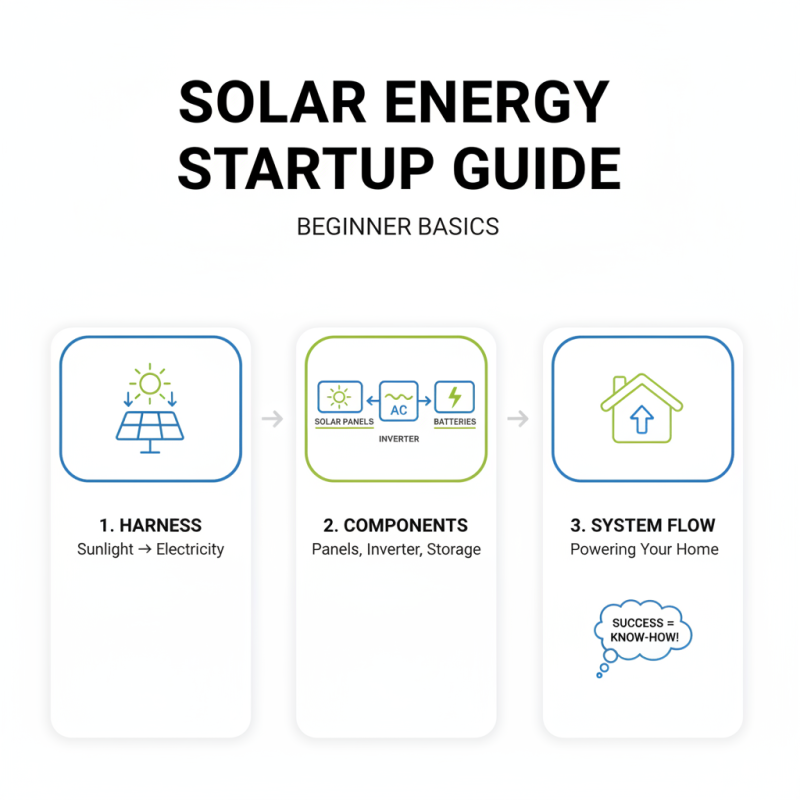
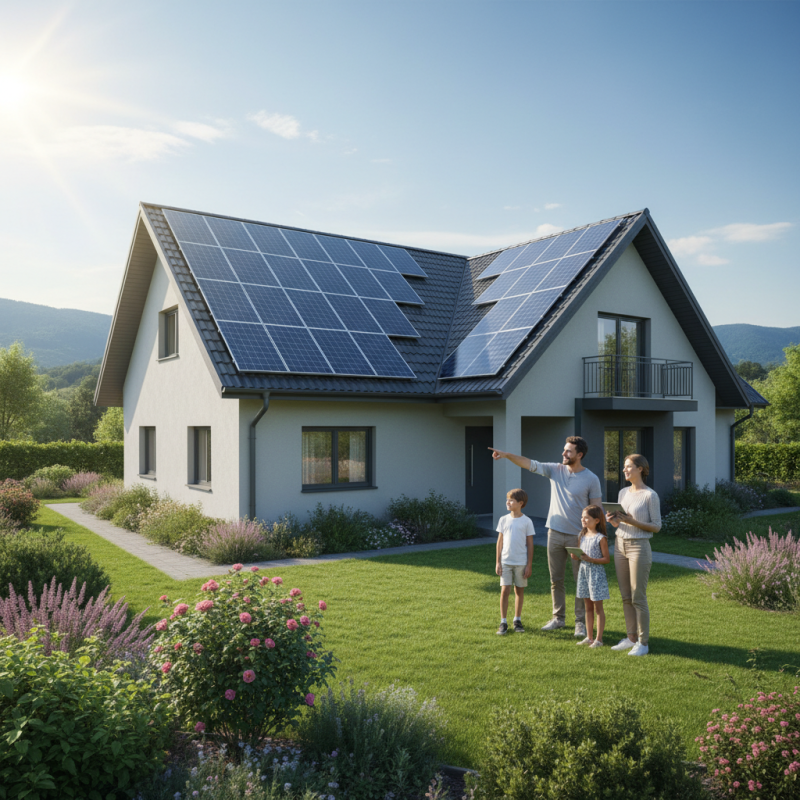
Understanding solar energy can feel overwhelming at first. Many beginners wonder where to start. It is vital to grasp the basics of solar energy before installation. Solar energy harnesses sunlight and converts it into electricity. This process involves solar panels, inverters, and batteries. Knowing how these components work together is crucial for success.
Evaluating your home is the next step. Check if your roof receives adequate sunlight throughout the day. Shadows from trees or nearby buildings can impact your system’s efficiency. You may need to trim or remove some obstacles. It’s also essential to think about your energy needs. Calculate your average energy consumption over a month. This will help determine the system size that suits you best.
Budget considerations are equally important. Installing solar energy systems can be costly. Think about upfront expenses versus long-term savings. Some may not consider maintenance costs. Regular cleaning and occasional repairs are necessary. It can be tempting to overlook these factors, but they are crucial for overall performance. Reflecting on these details can lead to a more informed decision.
Assessing Your Home's Suitability for Solar Installation
Assessing your home’s suitability for solar installation is a crucial first step. Solar energy can significantly reduce utility bills, but not every home is a good fit. According to the National Renewable Energy Laboratory, around 80% of rooftops can support solar panels. Key factors include roof orientation, angle, and shading from trees or buildings. A south-facing roof typically receives the most sunlight.
Here are a few tips to consider. Check your roof's condition. Older roofs may need repairs before installation. Evaluate local climate and annual sunshine hours. Areas with plenty of sun are optimal for solar energy. If your roof has significant shading, solar efficiency can drop by over 50%.
Consider your electricity usage too. Analyze your past utility bills for usage patterns. A high-energy household may benefit more from solar. If you're unsure, consult a solar energy advisor. They can perform an assessment to provide tailored recommendations. Overall potential savings and incentives should be weighed against those factors. Reflect on whether solar is truly feasible.
How to Install a Home Solar Energy System for Beginners? - Assessing Your Home's Suitability for Solar Installation
| Assessment Criteria |
Details |
Recommended Action |
| Roof Orientation |
South-facing roofs capture more sunlight. |
Consider installing panels on south-facing roofs. |
| Roof Condition |
Roof should be in good condition to support solar panels. |
Repair or replace roof if needed before installation. |
| Shading Issues |
Trees or buildings can block sunlight access. |
Trim trees or choose locations with minimal shading. |
| Energy Consumption |
High energy bills indicate a need for solar energy. |
Evaluate energy usage and potential solar needs. |
| Local Regulations |
Check city or county regulations on solar installation. |
Obtain necessary permits before beginning installation. |
| Incentives and Rebates |
Federal and local programs may offer financial incentives. |
Research and apply for available incentives. |
Choosing the Right Solar Panels and Equipment
Choosing the right solar panels and equipment for your home can feel overwhelming. There are many types available on the market. Each option has its pros and cons. Start by understanding the different solar panel types. Monocrystalline panels are efficient but can be pricey. Polycrystalline panels are more budget-friendly but less efficient. Thin-film panels are lightweight and flexible but take up more space.
Consider your home's energy needs. How much energy do you consume daily? This will influence the size of the solar system you require. Take measurements of your roof space as well. Not every panel fits every roof. Orientation and shading matter too. You want to maximize sunlight exposure. Look for reliable inverters and batteries as well. These components are crucial for storing and converting energy.
Installation can be tricky. DIYing is an option, but mistakes can be costly. Hiring professionals may save time and effort. Gather multiple quotes and check reviews. Reflect on your long-term energy goals. Solar energy can reduce bills but requires an upfront investment. Research is key here. Make sure to weigh your options carefully to avoid any regrets later.
Solar Panel Efficiency Comparison
This chart illustrates the efficiency of different types of solar panels commonly used in home solar energy systems. Monocrystalline panels are the most efficient, followed by polycrystalline and then thin film panels.
Planning and Installing Your Solar Energy System
Planning and installing a home solar energy system can be an exciting journey. Start by assessing your energy needs.
Calculate your monthly electricity usage. This will help you determine
the size of the solar system you need. A small roof area can limit your options.
Be realistic about what you can achieve.
Consider the location of your home. Sunlight exposure matters greatly.
Areas with frequent shade might not be ideal for solar panels.
Research local regulations and permits. Some regions require specific approvals for installations.
Missing these requirements can lead to issues later.
Tips: Use tools available online to estimate potential savings.
These can break down costs versus benefits. Engage with local installers to gather different quotes.
This can provide insights into various systems. Don’t forget about maintenance.
Regular check-ups can extend the life of your solar panels
and ensure optimal performance.
Maintaining and Monitoring Your Solar Energy System
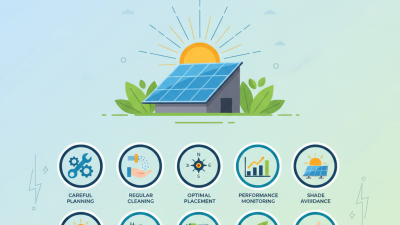
Maintaining and monitoring your solar energy system is crucial for its efficiency. Regular inspections help identify issues early. A study by the National Renewable Energy Laboratory indicates that a well-maintained system can produce up to 30% more energy over its lifespan. Check connections and panels every few months. Dust and debris can significantly reduce energy output.
Monitoring your system is equally important. Use smart technology to track performance. Real-time data allows you to respond to issues quickly. According to Solar Power World, homeowners can save $1,500 to $2,000 yearly by promptly addressing minor problems. Sometimes, users overlook small signs, thinking they can wait. This could lead to bigger, costlier repairs.
Consider seasonal impacts too. Heavy snow can block sunlight, while high temperatures may reduce efficiency. Adjust your maintenance routine according to the season. In summer, check for overheating; in winter, ensure snow is cleared. Many beginners don’t realize the system requires ongoing attention. Regular care helps maximize energy production and saves money in the long run.