MH Energy Your Better Solar and Energy Partner

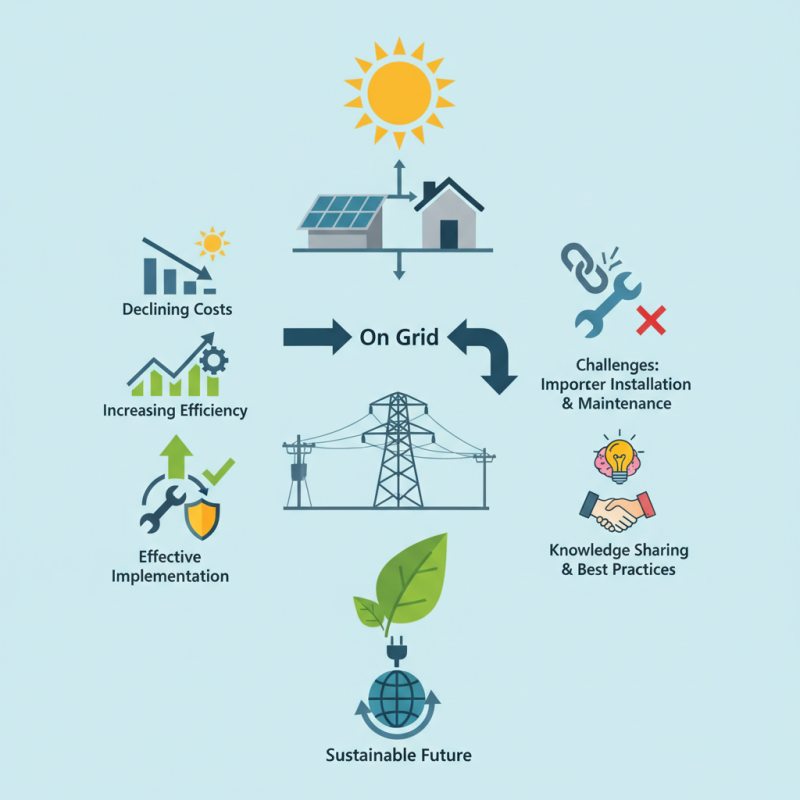
The adoption of On Grid Solar Systems has surged in recent years, reshaping the energy landscape. Industry reports indicate that global installations of grid-tied solar systems exceeded 180 GW in 2022. This growth is driven by declining costs and increasing efficiency. For instance, the cost of solar photovoltaic (PV) modules fell by over 80% from 2010 to 2022, making solar energy more accessible.
Experts emphasize the importance of effective implementation. Dr. Emily Chen, a leading solar energy researcher, stated, "Efficient design and installation of On Grid Solar Systems can significantly reduce energy costs and enhance performance." Despite the positive trends, challenges remain. Many projects suffer from inefficiencies due to improper installation and maintenance. Understanding the nuances of grid connectivity is vital.
As the shift to renewable energy accelerates, the role of On Grid Solar Systems continues to expand. Stakeholders need to focus on knowledge sharing and best practices. Only then can the full potential of this technology be realized. The journey towards efficient On Grid Solar Systems is complex but vital for a sustainable future.
Understanding on-grid solar systems is essential for those considering renewable energy solutions. These systems connect directly to the power grid, allowing homeowners to generate solar energy while still accessing electricity from their utility companies. On-grid systems are typically more cost-effective. They eliminate the need for expensive battery storage. This makes solar power accessible to many households.
By implementing energy-efficient practices alongside your solar system, you can maximize your benefits. For instance, upgrading insulation in your home can reduce energy consumption. Simple actions like turning off unused electronics will enhance efficiency. Pay attention to your energy usage. Understanding peak hours can help. This awareness allows you to run major appliances during the day when solar energy is abundant.
However, the initial installation process might present challenges. Finding the right contractor requires research. Not every installer will have the same level of experience. Always ask for references or case studies. Ensuring your system is properly sized is crucial. An incorrectly sized system won’t provide the benefits you expect. Regular maintenance is another area often overlooked. Even though on-grid systems are low maintenance, occasional checks can prevent unforeseen issues.
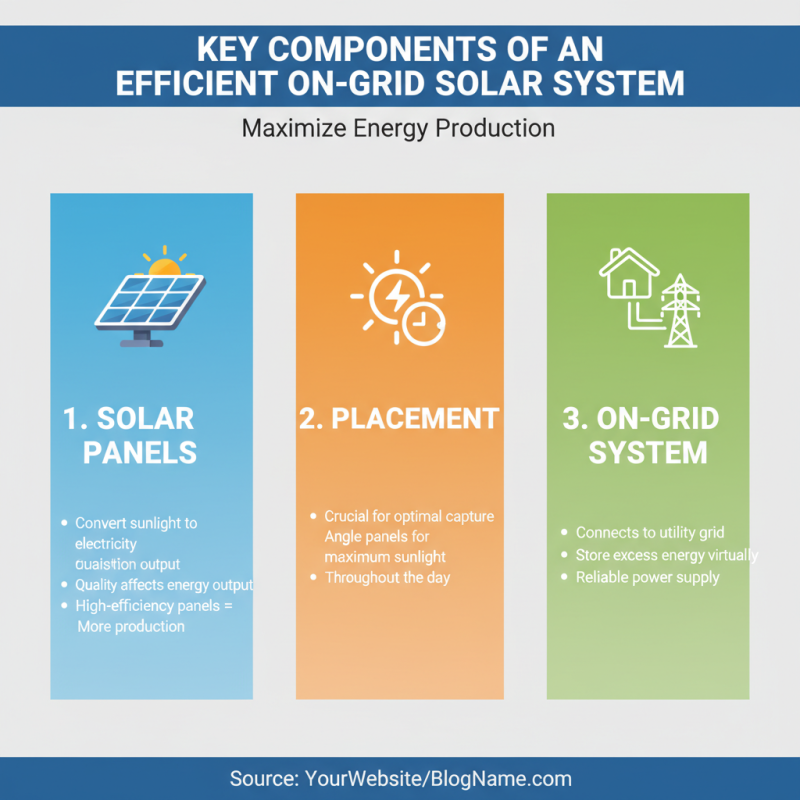
An efficient on-grid solar system comprises several key components. Solar panels convert sunlight into electricity. Their quality directly affects energy output. Opt for high-efficiency panels to maximize production. The placement is crucial. Angle the panels to capture optimal sunlight throughout the day.
Inverters play a vital role. They convert direct current (DC) from solar panels into alternating current (AC) for home use. A good inverter ensures minimal energy loss. Choose a model with a high conversion efficiency. Batteries are essential for energy storage, but they add complexity and cost. You might reconsider their necessity based on your energy consumption patterns.
Wiring and electrical connections must be robust. Poor connections can lead to energy loss and safety hazards. Invest in quality materials. Regular maintenance is often overlooked. Scheduling inspections can catch issues early. Reflection on these components can lead to better performance and efficiency in your solar system.
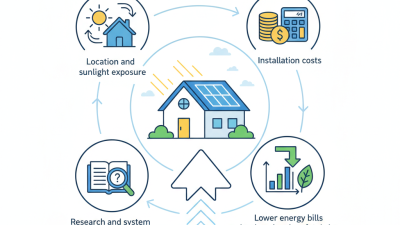
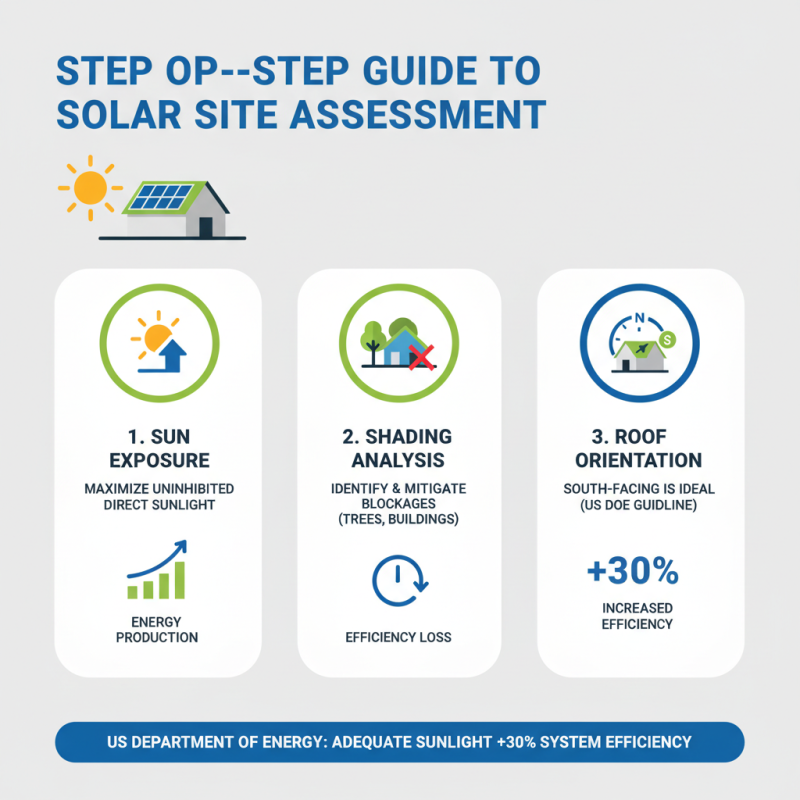
When planning a solar installation, site assessment is critical for efficiency. The location will significantly influence energy production. Factors such as sun exposure, shading from nearby structures, and roof orientation must be evaluated. The U.S. Department of Energy states that adequate sunlight can increase system efficiency by up to 30%.
Measurements are essential in this initial phase. Use solar pathfinders or shading analysis tools to determine potential obstructions. Click here to measure sunlight hours. Also consider the angle of installation. A tilt that matches local latitude optimizes energy capture. Surfaces should be clean and free from debris.
Soil condition matters if installing ground-mounted systems. Conduct a soil analysis for durability and stability. Wind exposure could affect panel resistance, so assess local weather patterns too. A poorly assessed site can lead to unexpected costs and reduced performance. Reflect on these details to ensure a thorough understanding.
Installing an on-grid solar system requires careful planning and execution. Start by assessing your energy needs. Calculate your average energy consumption to determine the appropriate system size. Engage a professional to conduct an energy audit. This process helps identify the ideal solar solution for your household.
Selecting high-quality components is crucial. Use reputable inverters and panels, as they significantly impact performance. Ensure that the solar panels are installed with proper orientation and tilt to maximize sunlight exposure. Regular maintenance is necessary to maintain efficiency. Clean the panels periodically and check connections for wear or damage.
It's important to consider local regulations and incentives. Research local permit requirements and utility interconnection rules to avoid legal complications. Engage with your local utility company early in the process. They can provide valuable insights and guidance. Reflect on your installation experience to improve future solar projects, and always be open to learning.
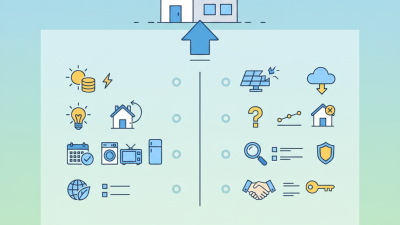
Incorporating Energy Management Systems (EMS) into an on-grid solar system can significantly enhance efficiency. These systems monitor energy production and consumption in real-time. By analyzing data, they optimize solar energy use while minimizing waste. For instance, when solar output is high, an EMS can schedule heavy energy-consuming tasks, like running a washing machine or electric vehicle charging.
However, not all implementations are flawless. Many users may overlook the importance of regular system updates. An outdated EMS can lead to inefficiencies. Some systems may also struggle with compatibility issues among devices, causing unreliable performance. It is critical to choose an EMS that integrates well with existing infrastructure. Users must conduct thorough research to avoid these pitfalls.
Moreover, understanding user habits is essential. By analyzing personal energy use, systems can suggest personalized strategies. This could involve shifting usage to align with solar production. Users may find it challenging to change long-standing habits. However, small adjustments can lead to significant energy savings. Continuous feedback loops from the EMS will promote ongoing awareness and adjustment.