2026 How to Set Up a Solar Off Grid System for Your Home?
As energy costs rise and environmental concerns grow, more homeowners are considering independent energy sources. The Solar Off Grid System presents a viable solution. According to a report by the Solar Energy Industries Association, the market for off-grid solar systems has increased by over 40% in the past five years. This trend shows how more people are leaning towards renewable energy for sustainability and cost-effectiveness.
John Smith, a leading expert in solar energy systems, states, “A Solar Off Grid System can empower homeowners by reducing their reliance on traditional utility grids.” However, setting up such a system isn’t without challenges. Initial setup costs can be a hurdle, and maintenance requires ongoing commitment. Homeowners often face difficulties in estimating their energy needs accurately.
Moreover, while off-grid living offers independence, it requires careful planning. Sizing the solar battery, selecting the right inverters, and considering local weather conditions can be daunting. Reflecting on these factors is crucial for an effective transition to a Solar Off Grid System. The journey to energy independence is certainly rewarding, but it’s essential to evaluate both the benefits and the potential obstacles involved.
Understanding Off-Grid Solar Systems: Key Concepts and Benefits
Off-grid solar systems are becoming increasingly popular. They offer a sustainable way to generate power independently. According to a report by the National Renewable Energy Laboratory, around 3 million homes in the U.S. are now using some form of solar energy. This shift reflects a growing awareness of energy independence and environmental responsibility.
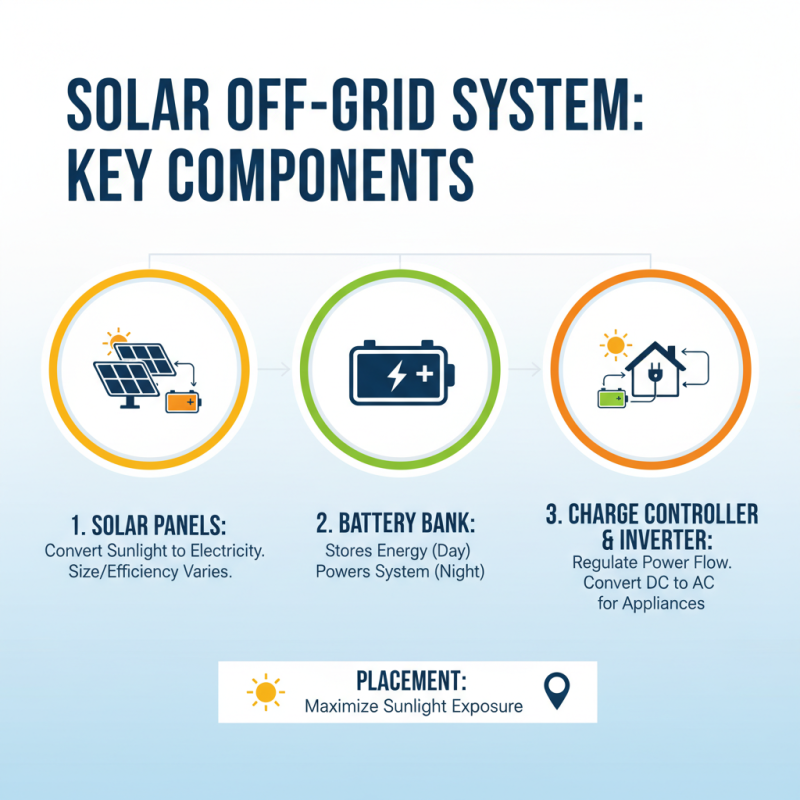
Understanding off-grid systems is crucial. These systems typically include solar panels, batteries, and an inverter. The solar panels capture sunlight, while batteries store excess energy. The inverter converts DC power to AC power for household use. The key benefit is reduced dependence on utility companies. In areas with unstable grids, this reliance can be a significant issue. However, it requires careful planning and a substantial initial investment, which may deter some homeowners.
Many people overlook maintenance requirements. Solar panels need regular cleaning to operate efficiently. Battery performance can degrade over time and may need replacement. In fact, the Solar Energy Industries Association notes that the average lifespan of lithium-ion batteries is about 10-15 years. This longevity is not guaranteed, as climate factors can affect performance. These complexities highlight the importance of thorough research before diving into off-grid living.
Evaluating Your Energy Needs for Off-Grid Solar Setup
Evaluating your energy needs is crucial before setting up an off-grid solar system. Begin by assessing your household power consumption. List all appliances and devices you use daily. Pay attention to lighting, heating, and cooling. Knowing how many watts each item consumes is essential. This data will guide your solar panel and battery size.
Consider the time of year too. Energy needs vary with seasons. For example, you might use more energy in winter than in summer for heating. It’s worth noting that actual energy usage may differ from estimates. You may find surprises in your daily habits. Keep a log of your usage for a week or more. This will provide clearer insights into your consumption patterns.
Don’t overlook potential lifestyle changes. Adding new devices or expanding your home can significantly affect your energy requirements. Reflect on this regularly. Your off-grid system should be flexible to adapt to these changes. Planning for the future helps avoid costly upgrades later. Balancing current needs with potential growth will make your off-grid system more effective.
Components Required for a Solar Off-Grid System
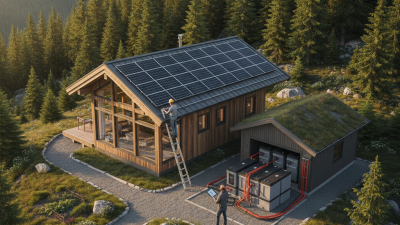
When setting up a solar off-grid system, understanding the key components is crucial. Solar panels are the heart of your system. Depending on your energy needs, you may require several panels. These convert sunlight into electricity and come in various sizes and efficiencies. Ensure they are installed in a location with maximum sunlight exposure.
Next, a charge controller is necessary. This device regulates the voltage and current coming from the solar panels. It protects your batteries from overcharging. Batteries store the solar energy for use when the sun isn’t shining. Opt for deep-cycle batteries, designed to be discharged and recharged multiple times.
Inverters are also critical. They convert the stored energy into alternating current (AC) for your household appliances. This component can be a bit complex, as it must match your energy requirements. Lastly, wiring, fuses, and mounting hardware are essential for installation. Many overlook the mounting system, but it’s vital for durability. Without a solid setup, even the best components can fail. A little planning goes a long way here.
Step-by-Step Installation Process for Off-Grid Solar Panels
Setting up a solar off-grid system for your home can be a rewarding experience. The installation process involves several key steps. Start by assessing your energy needs. Calculate your daily consumption in kilowatt-hours. This will guide your system size. Next, select the right solar panels for your home.
When it comes to installation, consider the roof space. Ensure it receives direct sunlight for most of the day. Use high-quality mounting hardware to secure the panels. These panels will be exposed to various weather conditions. Rain and wind can wear down cheaper products quickly.
Tip: Always double-check local building codes. You want to avoid fines.
After mounting the panels, connect them to a charge controller. This device protects your batteries from overcharging. Choose batteries based on your storage needs. Remember, a larger bank allows you to store more energy.
Tip: Keep your wiring tidy. Messy connections can lead to future problems.
Finally, test your system. Ensure everything is working as planned. However, expect some hiccups along the way. Sometimes, adjustments are necessary. Don't rush to fix issues; take your time. Each step brings you closer to energy independence.
Maintaining and Troubleshooting Your Off-Grid Solar System
Maintaining your off-grid solar system is crucial for optimal performance. Regular inspections are necessary. Check your solar panels for dirt or debris. A clean panel can improve efficiency by up to 30%. In a 2022 report, the National Renewable Energy Laboratory found that neglecting panel maintenance leads to significant energy loss.
Batteries require special attention. Monitor their voltage and ensure they are charged correctly. Overcharging or deep discharging can shorten battery life. Research indicates that lithium batteries can last 10 years or more if cared for properly. Yet, many users overlook this aspect, facing premature failures.
Troubleshooting is an essential skill for off-grid solar users. Is your system underperforming? Start by checking connections and wiring. Loose connections can waste energy. If problems persist, consider using a multimeter to diagnose voltage issues. Over 40% of off-grid users report issues related to wiring and connections. Being proactive can save time and money. Regular checks will keep your system running efficiently.
Monthly Energy Production of Off-Grid Solar System (2026)