10 Essential Tips for Optimizing Your Solar Pv Power System Performance?
Optimizing your Solar Pv Power System performance is crucial for maximizing energy output and efficiency. Solar energy is a sustainable choice, but making the most of it requires careful planning and regular maintenance. The way you manage your system can lead to significant differences in energy production.
A well-optimized Solar Pv Power System can help reduce electricity bills. However, improper setup or neglect can lead to disappointing results. Simple mistakes, like incorrect panel placement or shading issues, can hinder performance. You must ensure panels receive sunlight throughout the day.
Regular monitoring is another key aspect. Observing performance metrics allows you to spot issues early. Small adjustments can lead to improved results. Neglecting routine checks may leave you in the dark about your system's true potential. With the right approach, you can enhance your Solar Pv Power System and embrace the benefits of solar energy effectively.
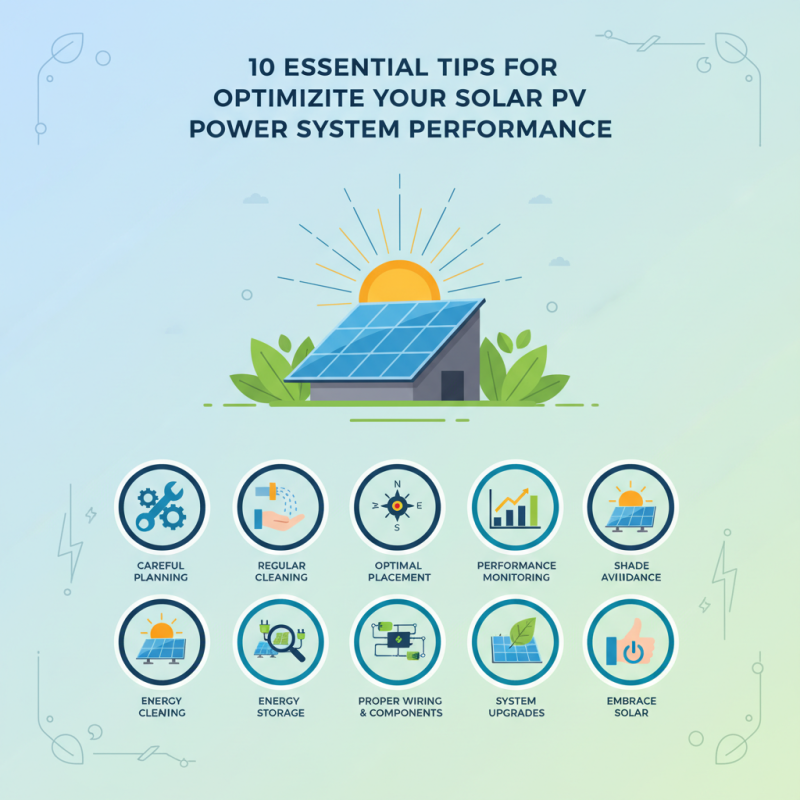
Understanding Your Solar PV System: Key Components and Functionality
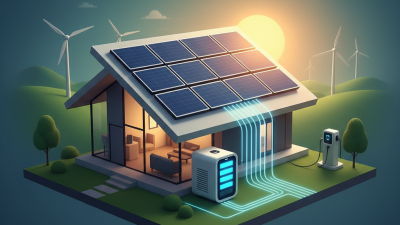
Understanding your solar PV system is crucial for maximizing energy output. A typical solar PV system consists of several key components: solar panels, an inverter, a mounting system, and monitoring tools. Solar panels capture sunlight and convert it into electricity. The inverter plays a vital role by transforming this direct current into alternating current for home use. Without a functional inverter, the system’s performance declines sharply.
The mounting system secures the panels in place, often tilted to capture optimal sunlight. Regular maintenance of these components is essential but often overlooked. Dust and debris can diminish the efficiency of solar panels. Monitoring tools provide real-time data to help track performance. Not using these tools means missing potential issues.
Many homeowners neglect to understand how shading affects their system. Trees or buildings can cast shadows on panels, reducing energy production. Even a small amount of shade can impact performance significantly. It’s important to evaluate your surroundings and adjust accordingly. Understanding these aspects will enable you to improve your solar PV system's performance. Exploring potential adjustments can lead to better energy use.
Regular Maintenance Practices to Enhance Solar Power Efficiency
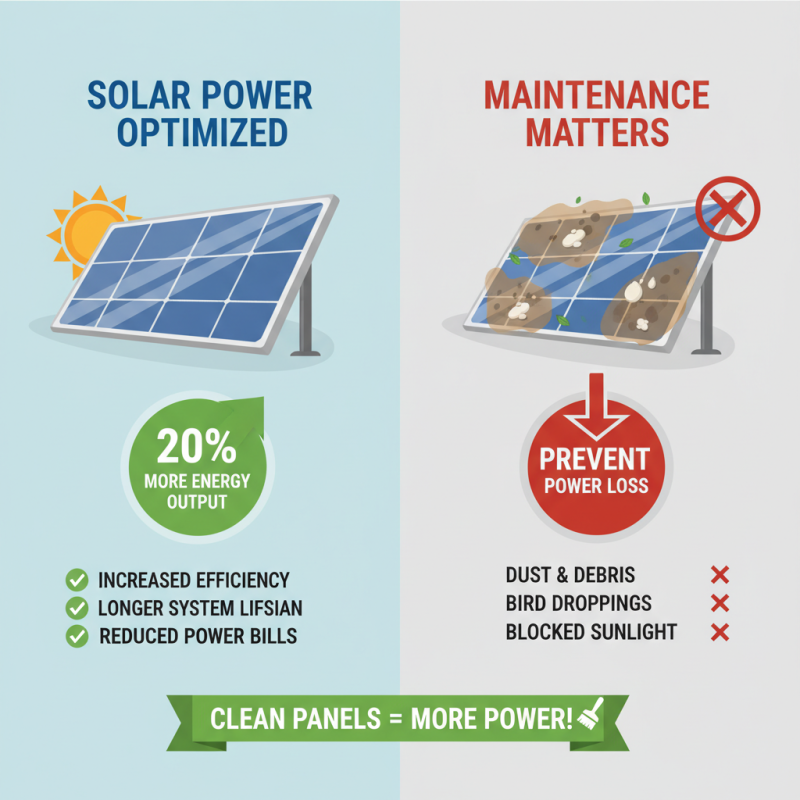
Regular maintenance is crucial for enhancing the efficiency of solar power systems. Studies show that a well-maintained system can increase energy output by 20% or more. Dust, debris, and bird droppings can block sunlight and reduce performance. Clean your panels regularly to ensure optimal absorption. Use soft brushes or specialized cleaning solutions to avoid scratches.
In addition to cleaning, check your inverter frequently. It’s the heart of your solar system. Malfunctions can lead to a significant drop in performance. Replace any faulty components as soon as possible. Tracking system performance with monitoring software can help identify issues early. This software can alert you to dips in energy production.
Keeping an eye on shadows is also essential. Trees or buildings can cast unwanted shade. Trim branches or relocate obstructions to maintain maximum sunlight exposure. Seasonal changes can impact this aspect, so stay vigilant. While these practices may seem tedious, neglect often results in costly repairs. Aim for consistent inspections to ensure your solar power system performs at its best.
Monitoring Energy Production: Tools and Techniques for Optimal Output
Monitoring energy production is crucial for the performance of your solar PV power system. It not only helps in tracking output but also in identifying issues early. A straightforward energy monitor can highlight your system's production in real-time. This allows you to see how much energy you're generating at any given moment. An app on your smartphone can simplify this process, bringing data to your fingertips.
Using a data logger can enhance tracking precision. It records output levels over time. This data is helpful for spotting trends and irregularities. For example, if you notice a sudden dip in production, it could signal a problem, like dirt on the panels or a malfunctioning inverter. Regularly reviewing these records gives you a clearer picture of performance.
Don't overlook weather factors impacting output. Cloud cover, temperature, and rainfall can all affect the energy produced. Sometimes, panels may produce less in cloudy conditions, but monitoring helps in understanding this pattern. Reflecting on these external influences helps in planning maintenance. Simple adjustments could lead to significant improvements in performance.
Monitoring Energy Production: Tools and Techniques for Optimal Output
Location and Installation: Maximizing Sun Exposure for Performance
When it comes to solar PV power systems, the importance of location and installation cannot be overstated. A well-positioned system can significantly enhance performance, making your investment worthwhile. According to the U.S. Department of Energy, solar panels can yield up to 20% more energy when installed in optimal locations.
Maximize sun exposure by choosing a site with minimal shading. Trees, buildings, and even chimneys can create shadows that reduce efficiency. Research indicates that even a small amount of shade can cut output by 60%. To address this, assess your landscape before installation. Clearing obstructions can unlock the full potential of your panels.
Consider the angle and tilt of your solar array. A tilt between 30 to 45 degrees is often ideal, as it captures sunlight more effectively throughout the year. Use online tools to determine the best angle for your geographic location, keeping in mind seasonal changes. Regularly clean your panels to ensure they operate at peak capacity, as dirt and debris can create hotspots and diminish energy production.
Lastly, perform regular maintenance checks. Some installations might experience wear and tear that warrants inspection. Addressing these issues promptly can prevent long-term losses in performance.
10 Essential Tips for Optimizing Your Solar Pv Power System Performance
| Tip No. |
Tip Description |
Optimal Orientation |
Tilt Angle |
Installation Location |
| 1 |
Ensure unobstructed sunlight |
South |
30° |
Open field |
| 2 |
Select high-efficiency panels |
South-East |
25° |
Rooftop |
| 3 |
Regular maintenance and cleaning |
South-West |
20° |
Ground-mounted |
| 4 |
Use a reliable inverter |
South |
15° |
Open field |
| 5 |
Monitor your system performance |
South-East |
20° |
Rooftop |
| 6 |
Consider seasonal adjustments |
South-West |
30° |
Open field |
| 7 |
Use energy storage solutions |
South |
20° |
Rooftop |
| 8 |
Evaluate shading from trees or buildings |
South-East |
15° |
Ground-mounted |
| 9 |
Utilize tracking systems |
South |
25° |
Open field |
| 10 |
Choose reputable installers |
South-West |
30° |
Rooftop |
Upgrading Inverters and Storage Solutions to Boost System Efficiency
Upgrading the inverters in your solar PV power system can significantly enhance performance. Modern inverters now offer higher efficiency rates, often exceeding 98%. This boosts overall energy conversion from sunlight to usable electricity. Not only do they optimize performance, but they also provide real-time monitoring. Users can track energy production and system status directly from their devices. However, the transition to newer technology can be challenging.
Storage solutions are another critical aspect. Lithium-ion batteries have become the preferred choice due to their energy density and longer lifespan. Studies show that integrating advanced storage can increase system efficiency by up to 30%. A robust storage system allows users to store excess energy for later use. Yet, installation costs can be steep, and not all systems perform as expected under various conditions.
Reflect on the importance of balancing costs and benefits. Utilizing both upgraded inverters and improved storage solutions can maximize your system’s potential. However, overestimating their capabilities may lead to disappointment and suboptimal results. Always consider local climate conditions and energy needs. The perfect setup for one region may not suit another. Adaptability is key to optimizing your solar PV performance.