MH Energy Your Better Solar and Energy Partner

In recent years, the demand for renewable energy solutions has surged. Solar kits have become a popular choice for homeowners looking to harness the sun’s power. A report from the Solar Energy Industries Association (SEIA) states that solar capacity in the U.S. grew by 22% in 2022. This surge highlights a significant trend towards sustainable living.
Choosing the right solar kit is crucial. A poor choice can lead to energy inefficiencies and wasted investment. Homeowners need to consider various factors including energy needs, budget, and installation options. Data shows that up to 30% of users regret their initial kit choice due to insufficient research or understanding. It’s vital to invest time in selecting the best solar kit for your unique situation.
While solar kits promise numerous benefits, many people struggle with decision-making. Misinformation often clouds judgment. Homeowners should approach the selection process with care. Clear information and expert advice are essential. The right solar kit can enhance your home’s energy efficiency and reduce bills, while the wrong choice can lead to disappointment.

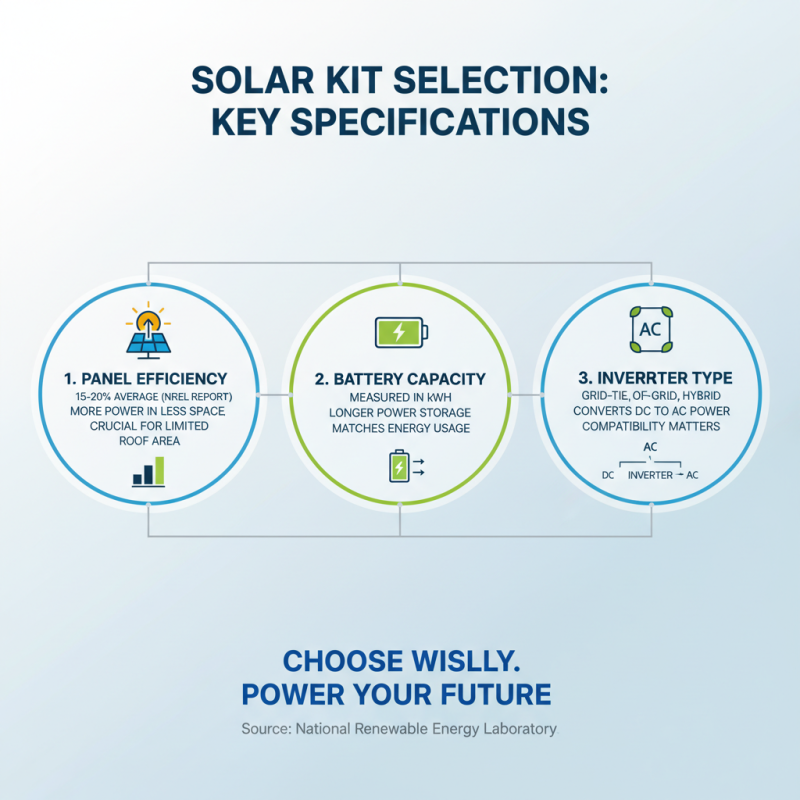
When choosing a solar kit, understanding specifications is crucial. Key factors include panel efficiency, battery capacity, and inverter type. A report from the National Renewable Energy Laboratory shows that average solar panel efficiency is around 15-20%. Higher efficiency means more energy production in limited space. If your roof space is restricted, this is vital information.
Battery capacity is another significant aspect. Effective storage allows you to use solar energy at night. The most common battery types are lithium-ion and lead-acid. Lithium-ion batteries tend to have longer lifespans and higher efficiency. However, they are often more expensive.
Another important consideration is the inverter type. String inverters are cost-effective but less efficient in shading scenarios. Microinverters offer better performance in partially shaded areas, yet they come at a higher cost. Choosing between these options requires careful thought. Consider your home's specific layout and shading conditions. Balancing initial costs with long-term benefits is not easy. It requires reflection on your energy needs and investment capability.

When selecting a solar kit for your home, understanding your energy needs is crucial. According to the U.S. Energy Information Administration, the average American home uses about 877 kWh per month. This knowledge helps you determine the capacity of the solar kit that would effectively power your home.
One tip is to analyze your electricity bill. Look for patterns in your energy consumption. Are there peak months when your usage spikes? Identifying these patterns can guide your choice. Balancing your energy needs against solar generation capacity is vital. A kit that generates insufficient energy will not serve you well.
Another factor is the orientation and size of your roof. Solar panels perform best with unobstructed sunlight. If your roof is shaded or small, it may limit your options. You may need a more efficient solar kit to compensate for these limitations. Remember that installing solar is not just about immediate gains. Think long-term, and consider future energy needs. A mismatch can lead to frustrating gaps in energy supply.
This bar chart illustrates the average monthly energy consumption of common household appliances in kilowatt-hours (kWh). Understanding your home's energy needs can help you choose the right solar kit.
When choosing a solar kit, understanding the types is crucial.
Grid-tied systems connect you to the local power grid. They are ideal for homes with consistent energy needs. However, reliance on the grid can be a drawback.
If there’s an outage, you may lose power.
Off-grid systems offer total independence. They rely solely on solar energy. This is great for remote locations.
However, these systems need battery storage, which can be costly.
Maintenance is also a concern. Not all components are easy to handle.
Hybrid systems combine both approaches. They provide stability and flexibility.
You can use power from the grid and your solar panels. But, they can be more complex to install.
It’s important to weigh your options carefully. Consider your home's energy usage.
Think about your long-term goals and how much you’re willing to invest.
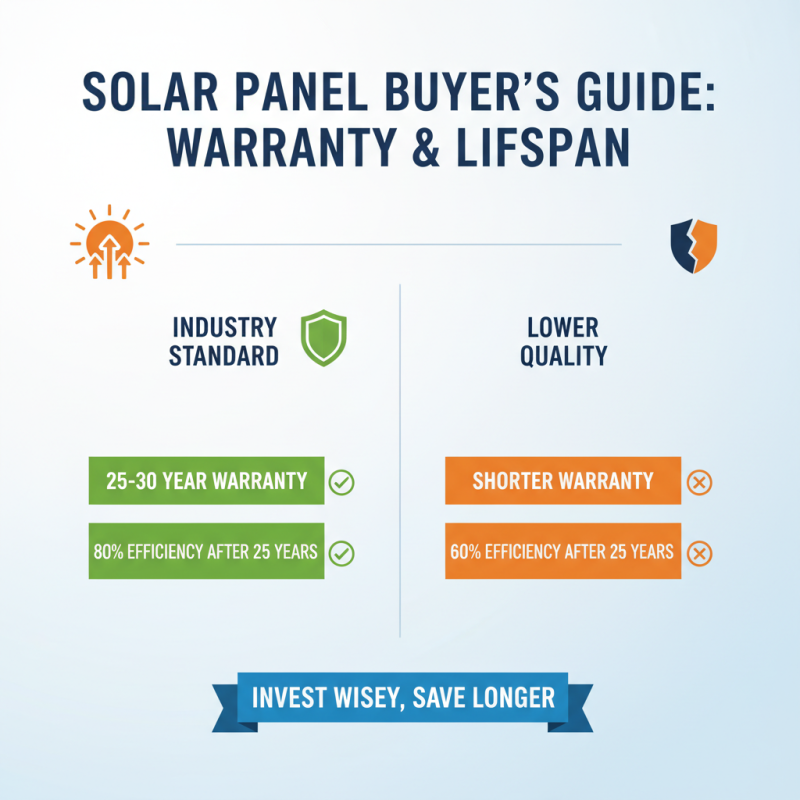
When considering a solar kit for your home, evaluating warranty and lifespan is vital. Most solar panels come with a warranty that ranges from 25 to 30 years. This warranty typically covers defects and power output degradation. Experts suggest that a good solar panel should maintain at least 80% efficiency after 25 years. Reports indicate that lower-quality panels might only guarantee 60% efficiency.
In addition to warranties, consider the lifespan of all components, including inverters and batteries. Inverters generally last between 5 to 15 years, depending on the quality. Quality inverters are more likely to operate efficiently and have fewer issues. Battery lifespan varies greatly. Traditional lead-acid batteries may only last 3 to 5 years, while lithium-ion options can last over a decade.
Installing a solar system is a significant investment. Therefore, it’s crucial to reflect on these details thoroughly. Don’t overlook maintenance requirements either. Maintenance can extend the lifespan of equipment but may add unexpected costs. Balancing initial investment with long-term savings is essential in this decision-making process. Choose wisely to ensure a satisfactory return on your solar investment.
Choosing the right solar kit involves careful consideration of installation and maintenance aspects. Installation requirements vary significantly. Some kits may require professional installation. Others are designed for DIY enthusiasts. According to the U.S. Department of Energy, nearly 75% of solar installations are done by professionals. This highlights the importance of evaluating your skills and available assistance.
Maintenance is another critical factor. Many solar kits require minimal upkeep, but some components need regular checks. For instance, the inverters should be inspected at least once a year. Dirty panels will lower efficiency, and keeping them clean is essential. A study by the National Renewable Energy Laboratory indicates that unmaintained systems can lose 15% to 20% of efficiency. It’s crucial to plan for these maintenance tasks to ensure your solar investment pays off.
Finding a balance between DIY projects and professional support may involve trial and error. Some homeowners might struggle with initial self-installation. Reflecting on whether to go solo or hire help can set the stage for a more successful solar experience. Being honest about your skills and resources will lead to better long-term performance of your solar system.
| Tip No. | Tip Description | Installation Requirement | Maintenance Consideration |
|---|---|---|---|
| 1 | Determine Energy Needs | Assess your monthly energy usage | Monitor energy usage over time |
| 2 | Evaluate Roof Condition | Inspect roof for damage or leaks | Regular inspections every few years |
| 3 | Check Local Incentives | Research state and federal rebates | Stay updated on incentives |
| 4 | Consider System Size | Calculate the required panel area | Ensure enough space for maintenance |
| 5 | Look for Quality Components | Choose reputable materials | Long-term performance monitoring |
| 6 | Research Installer Reputation | Check credentials and references | Request post-installation support |
| 7 | Assess Sun Exposure | Check for shading issues | Regularly trim surrounding foliage |
| 8 | Understand Warranty Options | Review manufacturer terms | Maintain documentation for claims |
| 9 | Budget for Additional Costs | Include installation and permits | Plan for potential repair costs |
| 10 | Plan for Future Needs | Consider future energy demands | Regular system reviews for upgrades |