10 Essential Tips for Choosing the Best Home Battery Backup Systems?
Choosing the right home battery backup system is crucial for every homeowner. A reliable battery can provide peace of mind during power outages. It ensures your essential devices remain operational when the lights go out. With various options on the market, picking the best one can be overwhelming.
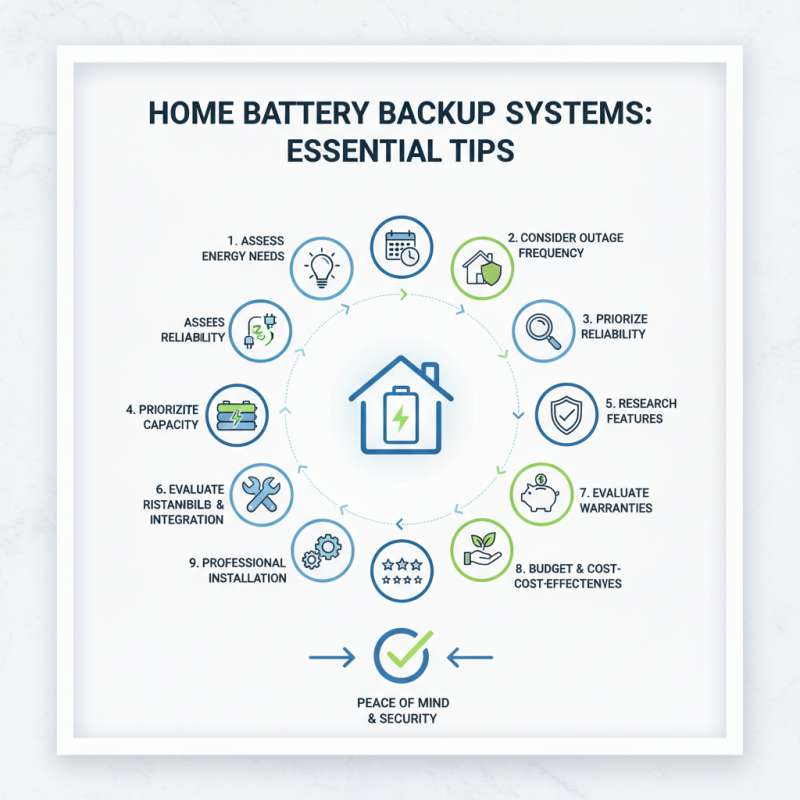
Home battery backup systems vary in capacity and features. Some support just lights and basic appliances, while others can power your entire home. Assessing your energy needs before investing is vital. It is easy to overlook what you truly require. Consider how often you experience outages and what devices are indispensable during these times.
Investing in a home battery backup system is more than just a purchase. It's a commitment to security and stability. However, many make hasty decisions without thorough research. This leads to dissatisfaction later. Take the time to explore the features, warranties, and user reviews. A balanced approach ensures a system that serves you well in emergencies.
Understanding the Basics of Home Battery Backup Systems
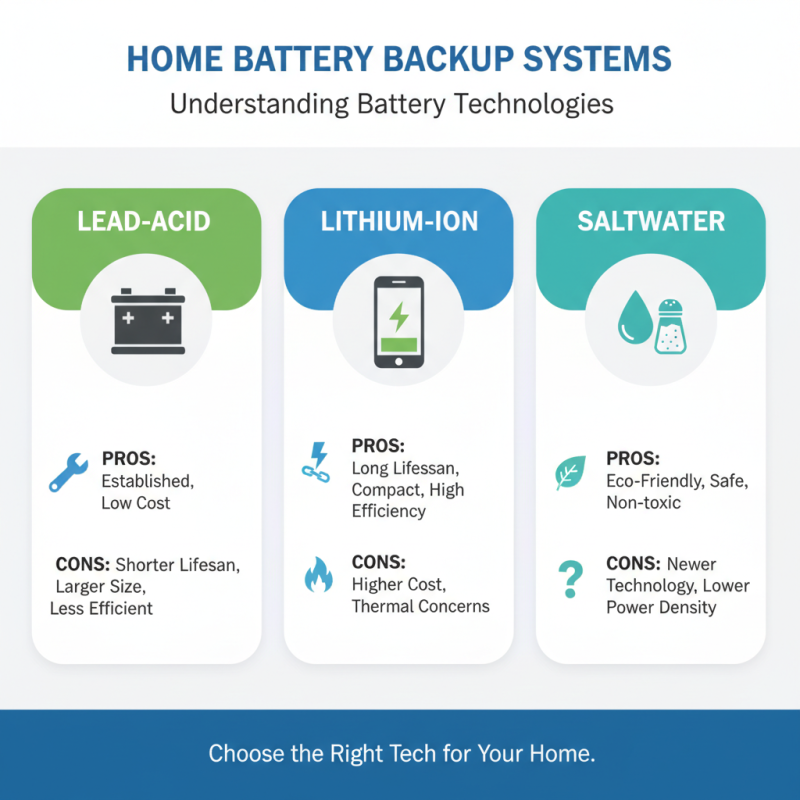
Home battery backup systems are becoming increasingly important for homeowners. They store energy for use during outages. Understanding how these systems work is crucial for making the right choice. A basic system usually consists of a rechargeable battery, an inverter, and a charge controller. The battery stores energy, while the inverter converts it for home use.
When considering a home battery backup, think about your energy consumption. Assess which appliances are essential during a power outage. This analysis should guide your capacity needs. Not all systems can support heavy loads. Testing the load on your current system can provide valuable insights. This way, you won't be left in the dark when you need power the most.
Installation is another factor that requires careful thought. Hiring a professional may seem costly. However, mistakes during installation can lead to safety issues. DIY options are appealing, but they come with risks. Research local regulations too. Not all areas allow certain battery types. Ignoring these details can create issues later on.
Evaluating Your Energy Needs Before Selection
When choosing a home battery backup system, assessing your energy needs is crucial. Start by listing the devices you want to power during an outage. Common essentials include refrigerators, lights, and medical equipment. Knowing the wattage of each device helps in calculating total energy consumption. This can reveal surprising insights. You may realize you need more capacity than you initially thought.
Consider your average energy usage throughout the day. Many homeowners underestimate their needs. For example, running multiple appliances simultaneously can drain power quickly. Think about how often you use backup power. Will you have extended outages? Or do you need short-term support? This can influence the type and size of the battery you select. It's not just about numbers; practical experiences matter.
Finally, think about future energy requirements. Will you add devices or switch to more energy-intensive appliances? The right backup system should allow for expansion. Reflect on these aspects carefully. Understanding your energy needs will lead to a more informed decision. It’s a crucial step that shouldn't be overlooked.
Assessing the Installation Process and Requirements
When considering a home battery backup system, the installation process is crucial. Start by assessing your home’s energy needs. Look at how much energy you consume daily. A well-defined energy profile helps. It allows you to choose a system that meets your requirements. Understand your existing electrical setup. It can complicate or simplify the installation.
Next, consider the space available for installation. Battery systems can be bulky. They need appropriate ventilation to function well. Check local building codes. Failure to do so may lead to complications later. Also, think about the system's accessibility. You need easy access for maintenance.
Finally, examine the complexity of the installation process. Some systems require professional installation. Others can be a DIY project. Weigh your options thoughtfully. Even if you’re handy, a mistake could be costly. Reflect on whether you can manage the time needed for installation. Investing in a backup system is essential, but so is careful planning. Your home deserves the best setup.
Exploring Warranty, Lifespan, and Maintenance Considerations
When exploring home battery backup systems, warranty considerations are crucial. Many manufacturers offer warranties ranging from 5 to 15 years. A longer warranty often indicates higher reliability. However, understanding the warranty terms is vital. Look for what it covers. Does it include labor costs? Some warranties cover only parts. This gap can lead to unexpected expenses.
Lifespan is another key factor when selecting a system. Most lithium-ion batteries have a lifespan of 10 to 15 years. According to industry reports, after this period, capacity can decline significantly. Often, you may only have 70% of the original capacity left. Regular monitoring can help extend the lifespan. Yet, not everyone performs routine checks. Maintenance can be challenging for some homeowners. Dust and temperature fluctuations can impact performance.
Consider how often you will need to maintain the system. Some systems require more frequent checks than others. A complex setup may demand professional maintenance. This could lead to higher long-term costs. Many homeowners overlook this aspect, focusing solely on initial expenses. Understanding these factors can help make a more informed choice.
10 Essential Tips for Choosing the Best Home Battery Backup Systems