How to Choose the Best Photovoltaic Solar Power System?
Choosing the right Photovoltaic Solar Power System can be daunting. With numerous options available, understanding the best fit for your needs is essential. The solar market has grown rapidly. New technologies and products emerge continuously, which complicates decision-making.
When selecting a system, consider important factors like energy needs and budget. Each household or business is unique. A tailored approach is necessary for optimal performance. Look for products with reliable performance metrics. Certifications and user reviews can provide insight into a system's efficiency.
However, not all systems are created equal. Some may promise high outputs but fall short during actual usage. Doing thorough research is critical. Take time to compare different brands and configurations. Understanding warranty options can also offer peace of mind. A well-chosen Photovoltaic Solar Power System can significantly impact energy bills and reduce carbon footprints.
Understanding Photovoltaic Solar Power Systems and Their Benefits
Photovoltaic solar power systems are growing in popularity due to their numerous benefits. They convert sunlight directly into electricity, offering a sustainable energy solution for homes and businesses. According to the International Energy Agency, solar energy accounted for over 16% of global electricity generation in 2021. This percentage is projected to increase as technology improves and costs decrease.
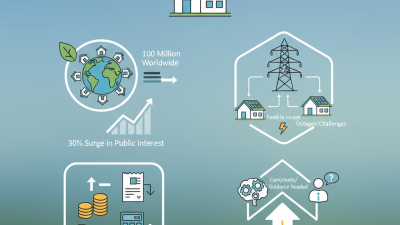
The benefits of solar systems extend beyond just energy savings. They contribute to reduced carbon emissions. A typical residential solar installation can offset approximately 100 tons of carbon dioxide over its lifespan, equivalent to over 200,000 miles driven by an average car. This sustainability appeal often encourages local government incentives, further increasing their attractiveness.
However, potential users should consider several factors before choosing a solar system. Not all systems are created equal, and installation efficiency can vary. Some installations may not fully utilize available space, leading to suboptimal power generation. Careful assessment of energy needs and available sunlight is essential to maximize effectiveness. Choosing the right photovoltaic system involves weighing personal goals against these practical considerations.
How to Choose the Best Photovoltaic Solar Power System?
| Criteria |
Details |
Benefits |
| System Type |
Grid-tied, Off-grid, Hybrid |
Cost-effective, Energy independence, Flexibility |
| Solar Panel Efficiency |
Monocrystalline, Polycrystalline, Thin-film |
Higher efficiency, Lower space requirements, Improved energy output |
| Installation Costs |
Labor, Equipment, Permits |
Budget management, ROI calculation, Long-term savings |
| Incentives & Rebates |
Tax credits, State programs, Utility rebates |
Cost reduction, Increased affordability, Stimulated investment |
| Warranty & Service |
Panel warranty, Installation warranty, Service options |
Peace of mind, Long-term reliability, Maintenance support |
| Environmental Impact |
Reduction of carbon footprint, Sustainable energy source |
Contributes to environmental sustainability, Promotes clean energy |
Key Factors to Consider When Choosing a Solar Power System
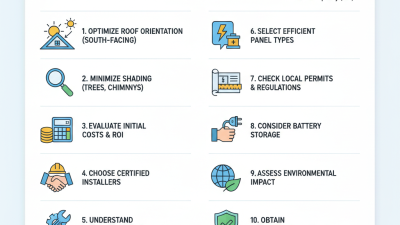
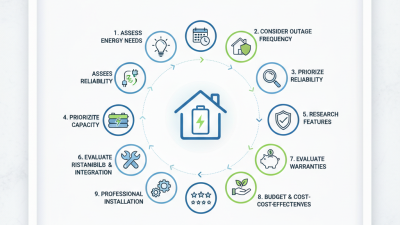
When choosing a photovoltaic solar power system, several key factors demand your attention.
Start by evaluating your energy needs.
Calculate your average monthly consumption to determine the kilowatt-hours (kWh) required.
This step ensures you install a system that meets your demands.
Consider your location next.
Sunlight exposure heavily influences solar efficiency.
A professional assessment can identify optimal installation areas.
You might find that shading from trees or buildings impacts energy production.
This could lead to unexpected shortfalls.
Tips: Always ask for warranties. Systems can fail unexpectedly, and good warranties offer a safety net.
Another aspect is the type of solar panels.
Monocrystalline, polycrystalline, and thin-film panels each have unique advantages.
Understand the difference to make an informed choice.
High efficiency might come at a higher cost, so weigh your budget against potential savings.
Tips: Don't rush your decision.
Take time to research various options and consider long-term performance.
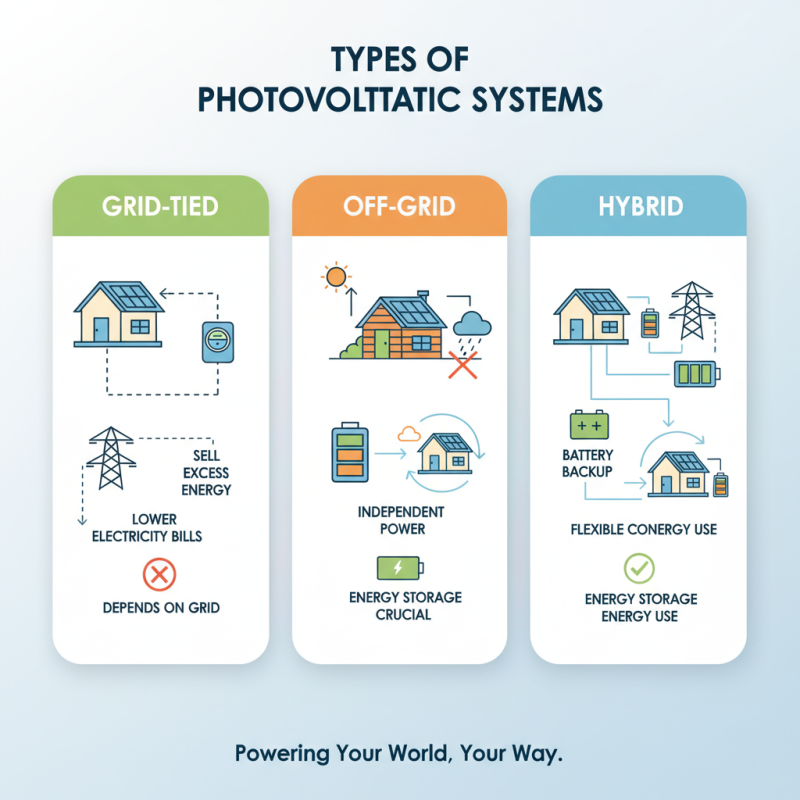
Types of Photovoltaic Systems: Grid-Tied, Off-Grid, and Hybrid
Photovoltaic systems can be categorized into grid-tied, off-grid, and hybrid systems. Each type serves different needs and lifestyles. Grid-tied systems connect directly to the local utility grid, allowing users to sell excess energy. This can lead to lower electricity bills. However, these systems depend on grid availability. If the grid goes down, so does power.
Off-grid systems operate independently. They are ideal for remote locations. These setups require battery storage to maintain power during low sunlight. The initial investment can be high, but self-sufficiency can be rewarding. However, frequent maintenance is needed.
Hybrid systems combine the best of both worlds. They offer grid connection and battery storage. This means users can harness solar energy during outages while still being part of the grid. A well-designed hybrid system can provide flexibility and reliability. However, it’s essential to analyze energy consumption patterns to maximize efficiency.
Tips: Consider local weather patterns. Areas with consistent sun benefit from solar power. Assess your energy needs carefully. Overestimating can lead to wasted resources. Partner with experienced professionals for installation. They can guide you through the complexities of each system's setup.
Evaluating Solar Panel Efficiency and Durability Ratings
When evaluating solar panel efficiency, the focus should be on two critical ratings: efficiency and durability. Efficiency indicates how much sunlight a panel converts into usable electricity. According to the National Renewable Energy Laboratory, modern solar panels typically operate at about 15% to 22% efficiency. Higher efficiency ratings mean more energy production in a limited space, essential for residential and commercial applications.
Durability ratings are equally important. Panels must withstand harsh weather conditions over time. The International Electrotechnical Commission (IEC) sets standards for testing the durability of solar panels. Panels that meet IEC 61215 certification face rigorous tests for durability, including exposure to UV radiation and extreme temperatures. A panel with a warranty of 25 years often reflects confidence in its durability.
Inefficiencies can arise from poor installation or compatibility issues with inverters. It’s essential to review installation practices and ensure equipment is well-matched. The lack of understanding in these areas can lead to decreased performance. Often, buyers overlook the importance of post-installation maintenance, which is vital for long-term efficiency and performance. Regular check-ups can catch potential issues early and extend the lifespan of the solar power system.
Assessing Costs, Incentives, and Return on Investment for Solar Systems
When assessing the costs and incentives for photovoltaic solar power systems, it's crucial to look at initial investments versus long-term savings. The average cost of a residential solar panel system in the U.S. is around $16,000, according to the Solar Energy Industries Association (SEIA). Incentives can significantly alter this figure, with federal tax credits potentially reducing costs by 26%. Many states also offer rebates and renewable energy credits, leading to further savings.
Analyzing return on investment (ROI) is vital. Homeowners may see savings of $1,500 or more on their energy bills annually. A report from the National Renewable Energy Laboratory (NREL) indicates that investing in solar can yield an ROI of 20% to 30% over 20 years. However, fluctuating energy prices and local policies can affect overall profitability. It's essential to account for potential future changes while assessing your solar investment.
Environmental considerations should not be overlooked. Solar systems lead to cleaner energy production, reducing carbon footprints. However, it's essential to reflect on the implications of solar panel disposal and the resources spent in manufacturing. Balancing immediate financial benefits with long-term ecological impacts requires careful thought.