How to Choose the Best Battery Backup for Homes?
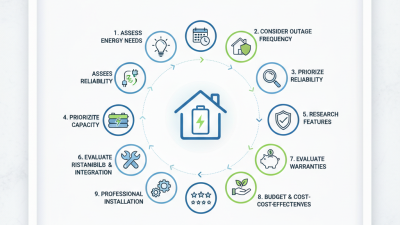
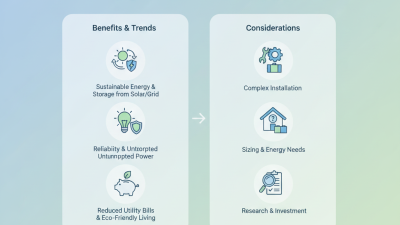
In the quest for reliable power sources, choosing the best Battery Backup for Homes is crucial. According to a recent report by the Energy Storage Association, the residential battery market is expected to grow by 20% annually. This growth highlights the increasing need for efficient energy solutions. Experts emphasize the importance of understanding your home’s energy needs, particularly during outages.
Dr. Lisa Tran, an energy storage expert, once stated, "A reliable Battery Backup for Homes elevates your energy independence." Her insights reflect the shift towards sustainable living. Many households are making the switch, yet not all understand the technology behind it. It is vital to evaluate the capacity and discharge rates of various models to find what fits your requirements.
Despite the advancements, there are still challenges. Some homeowners overlook maintenance and installation needs. It’s essential to weigh costs against the benefits of backup systems. Choosing the right battery backup involves careful consideration and research. Failure to do so could lead to inadequate power supply when it matters most. Balancing efficiency with affordability is the key to a sustainable choice.
Understanding Battery Backup Systems: Types and Technologies
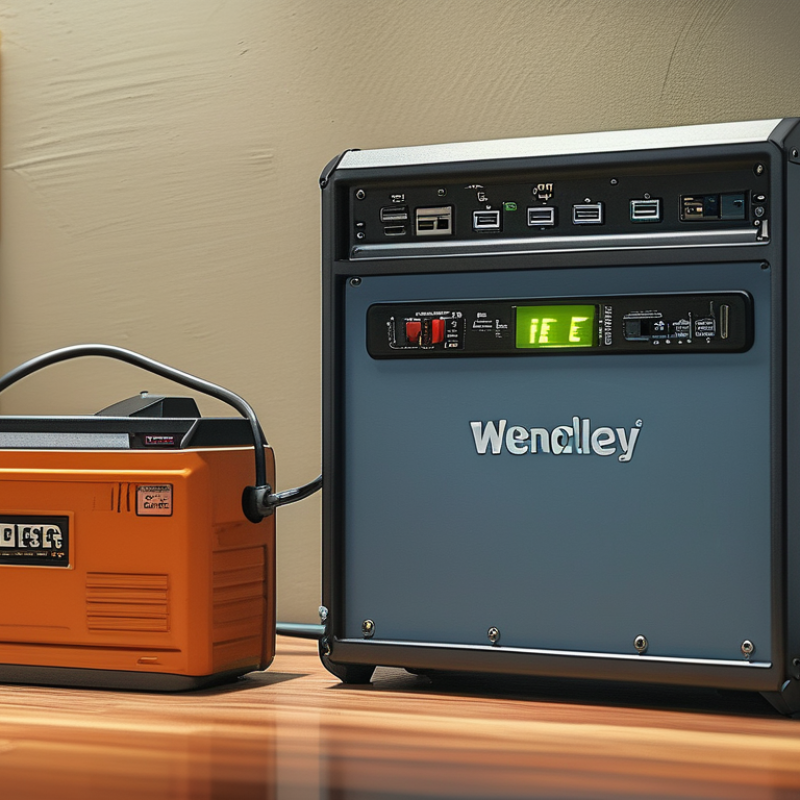
When selecting a battery backup system for your home, it's crucial to understand the various types and technologies available. The most common systems include lead-acid batteries, lithium-ion batteries, and saltwater batteries. Lead-acid batteries are typically affordable but have a shorter lifespan. In contrast, lithium-ion batteries offer longer life and efficiency, though they come at a higher price point. Saltwater batteries are environmentally friendly but may not be widely available yet.
Consider how much power your household needs. Calculate your energy consumption during peak times. This will help you determine the capacity of the battery backup system you require. It's essential to choose a system that can support your appliances during outages. Think about what devices you truly need during a blackout. This will guide you in selecting a backup that fits your lifestyle.
Tips: Always check the warranty and customer reviews before making a purchase. A reliable battery backup system should come with solid support. Research local regulations on battery disposal, as this can affect your long-term sustainability. Keep an eye on technology advancements. The market is always evolving, and a newer, more efficient battery might be just around the corner.
How to Choose the Best Battery Backup for Homes?
| Battery Type |
Capacity (Ah) |
Voltage (V) |
Cycle Life |
Charge Time (Hours) |
Cost ($) |
| Lead Acid |
120 |
12 |
500 |
8 |
150 |
| Lithium-Ion |
200 |
12 |
2000 |
5 |
700 |
| Nickel-Cadmium |
100 |
12 |
1000 |
6 |
200 |
| Gel Cell |
150 |
12 |
1000 |
8 |
250 |
Evaluating Your Home's Power Needs for Backup Solutions
When considering battery backup for your home, assessing your power needs is crucial. Start by evaluating your essential appliances. Identify what you truly need during an outage. This list may include refrigerators, lights, and medical devices. Understanding these needs will guide your choice.
Tips: Create a power inventory. Write down the wattage of each appliance. This helps you calculate the total load you may require during a blackout.
Next, think about duration. How long do you expect outages to last? Short outages might only require backup for essential items. Longer outages demand a more robust system. Consider the ease of recharging the batteries.
Tips: Think about solar options. They can provide a sustainable way to recharge during extended outages. However, they require initial investment and space.
Reflect on your usage habits. Do you often work from home? If so, reliable power is vital. Your lifestyle will shape your backup requirements significantly. Be honest about your needs. This will ensure you choose the right solution for your home.
Key Features to Consider When Selecting a Battery Backup
When selecting a battery backup for your home, consider several key features. One of the most crucial aspects is capacity. This indicates how much energy the battery can store. A higher capacity can power more appliances during an outage. Look at your energy needs to determine the right size. The right choice can keep essential devices running, like refrigerators and lights.
Efficiency also plays a significant role. A battery with higher efficiency converts more stored energy into usable power. This means less waste and longer backup times. Monitoring features are valuable too. Some units provide real-time data on power usage. This information helps you adjust usage during an outage.
Lastly, check warranty and lifespan. A more extended warranty often suggests greater reliability. However, a warranty alone doesn’t guarantee performance. Regular maintenance might be necessary. Not all models are user-friendly, so consider ease of installation. Balancing these features can lead to better home energy management.
Battery Backup Capacity Comparison
This chart illustrates the estimated runtime in hours for different battery backup capacities measured in Watt-hours (Wh). As the capacity increases, the runtime also increases, indicating that selecting a higher capacity battery can provide longer backup solutions for home use.
Comparing Costs: Investment vs. Long-term Savings in Battery Backup
When evaluating battery backups, cost is a major factor. The initial investment may seem substantial. However, it's essential to consider long-term savings. A reliable battery backup can reduce utility bills. It can also protect against fluctuating energy prices.
Installation costs vary greatly. Presenting a clear budget is crucial. Some systems may require professional installation, adding to the upfront cost. Yet, over time, they can lead to savings through energy efficiency and reduced reliance on the grid. Lower electric bills can lead to significant savings over years.
Yet not all battery backups deliver the same value. Some consumers find that the technology can be overhyped. Many users report issues with battery life and maintenance. It’s important to research and compare options. Looking beyond immediate expenses is essential for achieving lasting savings. Balancing investment and potential savings can avoid costly mistakes.
Maintenance and Lifespan: Ensuring Optimal Performance of Your Backup
Maintaining a battery backup system is crucial for maximizing its lifespan and performance. Regularly check the connections to ensure they are tight and free from corrosion. Loose connections can reduce efficiency, potentially leading to power issues when you need it most.
Cleaning the terminals with a soft brush can help remove buildup that might impair performance.
Monitoring the battery's charge cycle is equally important. Avoid letting the battery discharge completely, as this can shorten its lifespan. Instead, keep it within a healthy range of charge. Some systems have indicators to show battery health. Regular inspections can save you time and prevent unexpected failures.
Consider the environment where the battery system is installed. Extreme temperatures can affect battery efficiency. If possible, keep the backup system in a temperature-controlled location. Humidity can also impact performance, so ensure proper ventilation.
Small adjustments often lead to significant improvements in lifespan and reliability. Remember, a well-maintained system can offer peace of mind during power outages.