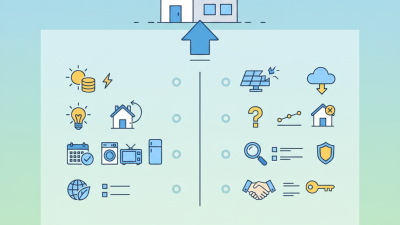
Top Tips for Choosing Solar Off Grid System Solutions?
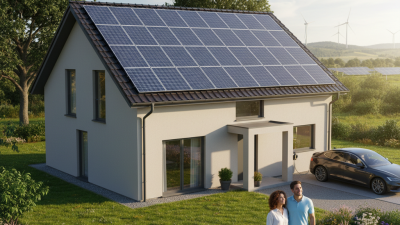
Choosing the right Solar Off Grid System is crucial for achieving energy independence. An effective off-grid solar solution provides clean energy while minimizing reliance on the grid. However, selecting the best system can be overwhelming due to various factors to consider.
Understanding your energy needs is the first step. Identify your daily power usage, including appliances and devices. This clarity will guide your decision. It's also essential to assess the available sunlight in your location. Solar panel efficiency can vary significantly based on geographic and climatic conditions.
Quality matters. Not all solar components are created equal. Investing in reliable brands ensures long-term performance. Look for warranties and certifications that reflect a manufacturer's dedication. Consulting experts can help you navigate the complex features. Finally, staying informed about potential system improvements can lead to better energy solutions. Embrace the learning journey as you adapt to this renewable energy source.
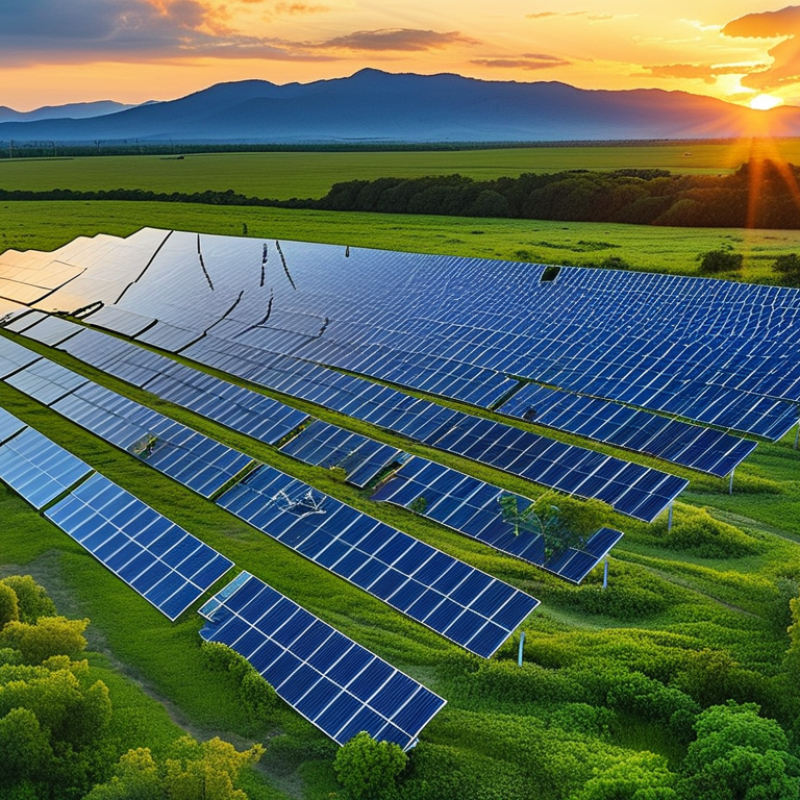
Understanding Solar Off Grid Systems and Their Benefits
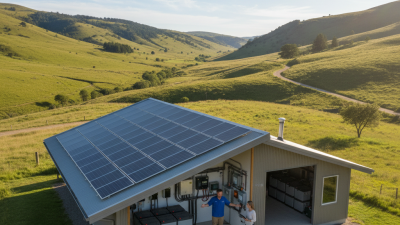
Solar off-grid systems provide a sustainable alternative for those seeking energy independence. These systems harness sunlight to generate electricity without relying on the conventional grid. This independence comes with various benefits, particularly for remote locations where grid access is limited. Imagine living in a cabin deep in the woods or a desert homestead; solar panels can power your home effectively, enhancing your lifestyle.
One significant advantage of off-grid solar systems is their environmental impact. They reduce reliance on fossil fuels, minimizing carbon emissions. Additionally, installing a system can lead to long-term cost savings. While there may be initial expenses, the decrease in energy bills over time adds up. However, consider factors like installation and maintenance costs. Regular upkeep is necessary and can be overlooked, leading to efficiency drops.
Selecting the right components is crucial but can be confusing. Researching different systems helps you understand your energy needs. Some individuals purchase oversized systems, wasting money. Others may invest too little, ending up with inadequate power supply. It's essential to evaluate your lifestyle and energy consumption carefully. Balancing cost, efficiency, and future needs will yield the best results. Consider seeking expert advice to navigate these choices effectively.
Key Factors to Consider When Selecting Solar Off Grid Solutions
When selecting solar off-grid solutions, several key factors need consideration to ensure an optimal choice. First, evaluate your energy needs. According to the National Renewable Energy Laboratory, a properly sized solar system should cover about 75% of your daily energy consumption. Knowing your energy usage will determine the number of panels and batteries required.
Next, consider your location and available sunlight. The Solar Energy Industries Association states that solar panels can be more efficient in sunnier areas. However, it's crucial to conduct a shade assessment on your property. Even a small obstruction can lead to a significant drop in energy production.
Battery storage is another vital aspect. Lithium-ion batteries are commonly recommended for their longevity and efficiency. However, they may not be the best option for everyone, given budget constraints and environmental considerations. Some users have reported higher initial costs but acknowledged the long-term savings on energy bills. Balancing these factors requires careful thought and possible trial and error.
Evaluating Your Energy Needs for Off Grid Solar Systems
Evaluating your energy needs is crucial when considering an off-grid solar system. According to the U.S. Department of Energy, approximately 80% of energy consumption in homes is for heating, cooling, and appliances. Understanding your specific energy usage can guide you in selecting the right system. Begin by analyzing your monthly electricity bills. Look for patterns in consumption. This data is essential for sizing your solar array.
Next, assess your lifestyle. A family with high energy demands will require a different setup than a single-person household. The National Renewable Energy Laboratory states that the average American home uses about 877 kWh per month. However, energy needs can vary greatly. Consider factors like home size and the number of devices in use. Recognizing peak usage times can also enhance system performance.
Finally, evaluate potential energy savings. Off-grid systems offer the chance to reduce electricity costs significantly. A study by the Solar Energy Industries Association highlighted that solar systems can save homeowners upwards of $1,000 annually. However, the initial investment can be substantial. Thinking through your financial capacity is necessary. Assessing these elements carefully helps in making an informed decision about your off-grid energy future.
Comparing Solar Panel Types for Optimal Off Grid Performance
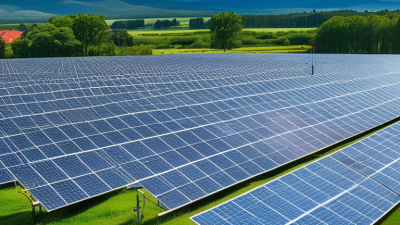
When choosing a solar off-grid system, the type of solar panels significantly impacts performance and efficiency. Common types include monocrystalline, polycrystalline, and thin-film panels. Monocrystalline panels are popular for their high efficiency, offering up to 22% conversion rates. Meanwhile, polycrystalline panels, with efficiencies around 15-20%, are often more cost-effective. Thin-film options are cheaper but yield less electricity, making them suitable for specific circumstances only.
Research indicates that location plays a crucial role in panel choice. For instance, areas with limited sunlight may benefit from more efficient panels despite the higher upfront costs. Recent studies highlight that monocrystalline panels perform better in low-light conditions compared to their counterparts. However, there’s a trade-off in price and space; monocrystalline requires more initial investment and may not justify the expense for every off-grid application.
While selecting the right solar panel, consider your energy requirements and budget. A mismatch can lead to insufficient power supply or wasted money on expensive systems. Additionally, maintenance needs vary across different types. Monocrystalline panels typically require less upkeep, while thin-film panels may need more attention. Reflecting on these details can help customize a solution that truly meets your off-grid energy needs.
Top Tips for Choosing Solar Off Grid System Solutions
| Solar Panel Type |
Efficiency (%) |
Durability (Years) |
Cost ($/Watt) |
Best Use Case |
| Monocrystalline |
15-22 |
25 |
0.70 - 1.00 |
Residential, Limited Space |
| Polycrystalline |
13-16 |
20 |
0.50 - 0.80 |
Large Installations, Cost-Sensitive |
| Thin-Film |
10-12 |
15 |
0.30 - 0.60 |
Flexible Applications, Low Light |
| Bifacial |
18-22 |
25 |
0.90 - 1.20 |
Ground-Mounted, High Yield |
Costs and Financing Options for Off Grid Solar Installations
When considering off-grid solar installations, costs play a crucial role. Initial investment costs can vary widely. Factors such as system size and installation complexity influence prices. Most homeowners can expect initial costs to range from $15,000 to $25,000. This is just the starting point. Each installation is unique.
Financing options provide flexibility. Many choose solar loans or leasing. Loans typically require lower upfront payments but can span several years. Leasing offers no initial cost but often comes with long-term commitments. It's important to understand these contracts thoroughly. Hidden fees or changes in contract terms can complicate matters.
State incentives and tax credits may offset costs. Research available programs in your area. They can reduce your overall expenses significantly. Understanding your financial landscape is crucial. Always analyze your long-term savings potential compared to initial investments. Not all options will yield equal benefits. Be prepared to reassess your choices as technologies and market conditions evolve.