How to Choose the Right Solar Panel and Battery System?
Choosing the right solar panel and battery system can feel overwhelming. This decision impacts your energy efficiency and costs. According to Dr. Emily Carter, a leading expert in solar technology, "Selecting the appropriate Solar Panel And Battery system can significantly reduce your carbon footprint."
The market offers numerous options. Understanding your energy needs is crucial. Consider factors like your household consumption and geographical location. Batteries store energy for nighttime use, enhancing efficiency.
Yet, imperfections exist. Many buyers overlook long-term costs and maintenance. A cheap option may lead to higher expenses later. Research and expert advice are key to making an informed choice. Analyze each component’s performance, warranty, and durability to ensure the best outcomes.
Understanding Your Energy Needs for Solar Panel Systems
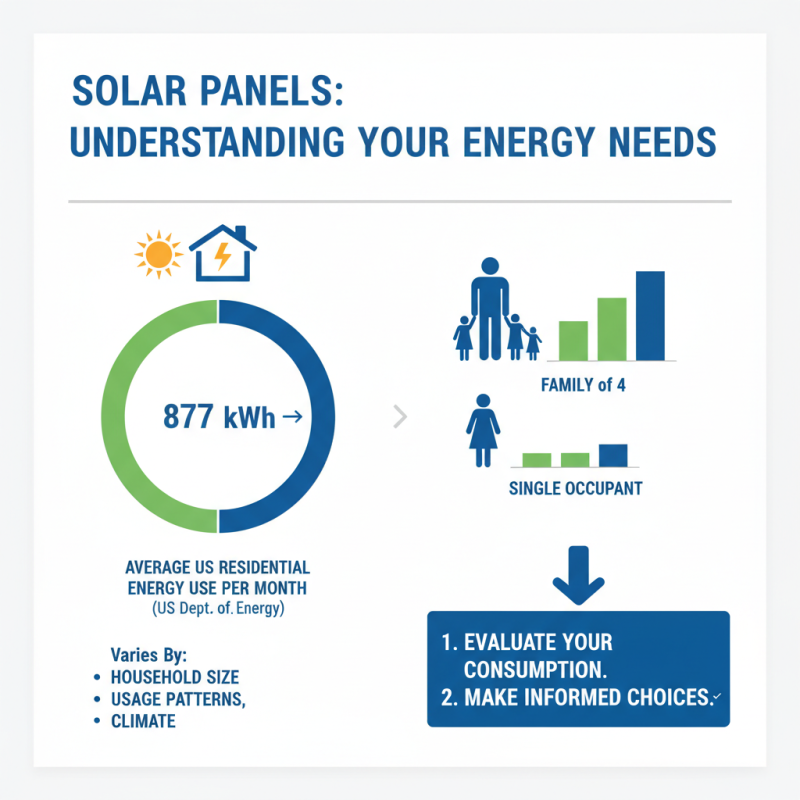
Understanding your energy needs is crucial when selecting solar panel systems. According to the U.S. Department of Energy, residential energy use averages around 877 kWh per month. This figure varies based on factors such as household size, usage patterns, and climate. For instance, a family of four may consume more energy than a single occupant. Properly evaluating your consumption is the first step to making an informed choice.
To tailor a solar system, consider your typical daily usage. Think about your appliances and their energy requirements. For example, a standard refrigerator uses approximately 150-300 kWh annually. If you have multiple high-energy devices, your requirements increase significantly. Additionally, seasonal changes can affect how much energy you need. During summer months, air conditioning demands may skyrocket, leading you to require more power.
It’s essential to acknowledge that many people overestimate their energy needs. This can lead to purchasing larger systems than necessary. A system that’s too big can result in wasted energy and investment. Conducting a thorough energy audit can help refine your needs. Focus on both current usage and future expectations to ensure your solar panel system is suitably sized.
Types of Solar Panels: Monocrystalline, Polycrystalline, and Thin-Film
When selecting solar panels, understanding the types available is crucial. Monocrystalline panels are known for their high efficiency. They are usually made from a single crystal structure, which allows them to produce more power per square foot. Their sleek appearance can be a plus for aesthetics, but they often come at a higher price.
Polycrystalline panels, on the other hand, consist of multiple crystal structures. They are generally less efficient but more affordable. This makes them a popular choice for homeowners on a budget. However, their slightly larger size means you may need more roof space. Thin-film panels are the least efficient but are flexible and lightweight. They can be integrated into various surfaces, yet they may require more space for the same energy output.
Your specific needs should guide your choice. Consider your roof space, energy requirements, and budget. Each type has its perks and pitfalls. You might think about long-term savings versus initial costs. A choice that seems perfect can become a hassle if energy needs change in the future. Don't rush. Research and reflect on what fits best for your unique situation.
How to Choose the Right Solar Panel and Battery System?
| Type of Solar Panel |
Efficiency (%) |
Cost per Watt ($) |
Lifespan (Years) |
Best for |
| Monocrystalline |
15-22 |
$0.80 - $1.30 |
25-30 |
Limited space, high efficiency |
| Polycrystalline |
13-16 |
$0.70 - $1.20 |
20-25 |
Budget-friendly options |
| Thin-Film |
10-12 |
$0.50 - $1.00 |
10-20 |
Low-light and flexibility needs |
Evaluating Battery Types: Lead-Acid vs. Lithium-Ion vs. Others
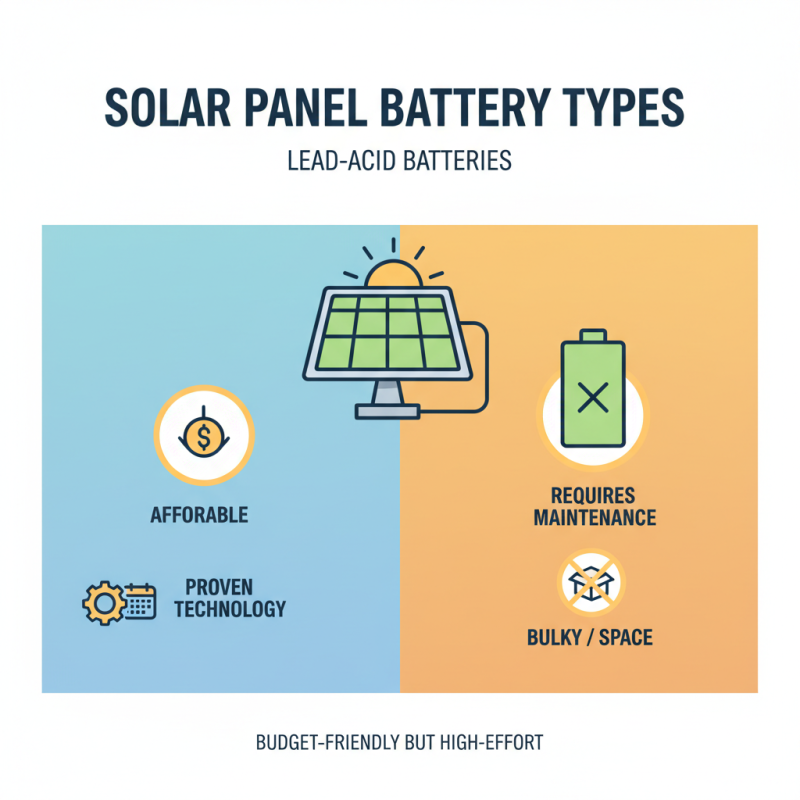
When selecting a battery system for your solar panel, consider the type of battery available. Lead-acid batteries are often the most affordable choice. They have been around for a long time and are well-understood. However, they are bulky and require regular maintenance. You might find them inconvenient if space is limited.
Lithium-ion batteries are gaining popularity quickly. They offer higher energy density and longer lifespans. This is appealing for many users. But they come with a higher price tag. It’s important to weigh the initial cost against potential savings. Performance can vary, and choosing the right size is crucial.
Other options exist, like flow batteries or nickel-cadmium. These alternatives can suit specific needs. But they can also be complex. Take time to research. Reflect on your energy usage patterns; this will guide your decision. Remember, every battery type has pros and cons. Understanding these can lead to a better overall system for your needs.
Considerations for Sizing Solar Panels and Battery Systems
Choosing the right solar panel and battery system is crucial for efficiency. Sizing is key to maximizing output. Start with your energy needs. Assess your daily usage. Calculate how much energy you consume. This will guide you in selecting the right panel capacity.
Consider the space you have for installation. If you have limited rooftop space, it may restrict your options. Additionally, think about battery storage. More capacity means longer energy availability. Evaluate your typical energy consumption patterns. This reflection may reveal gaps in your initial estimates.
Weather variations may affect efficiency. In sunny areas, panels produce more energy. However, cloudy days can reduce effectiveness. Be prepared for those fluctuations. Don’t forget about maintenance needs. Regular cleaning and periodic inspections are necessary. It’s easy to overlook these as a new owner. Analyze your choices carefully. A well-balanced system can serve you for years.
Assessing Installation and Maintenance Requirements for Solar Energy Systems
When assessing installation and maintenance requirements for solar energy systems, several factors come into play. First, the complexity of the installation can affect overall costs. According to a 2022 report by the National Renewable Energy Laboratory, intricate installations may incur an additional 20% in labor costs. Homeowners must consider the type of roof and accessibility for the solar panels. A flat roof may simplify the installation, while a steep pitch can lead to more challenges.
Maintenance is another critical aspect. Regular cleaning of solar panels can enhance efficiency. Dirty panels can lead to a significant energy loss—up to 25%, as noted by the Solar Energy Industries Association. Maintenance might include checking inverter performance and battery health. Solar batteries often require monitoring and occasional replacements, depending on usage and lifespan. Some batteries can last up to 10 years but may show capacity degradation over time.
Planning for future needs is also crucial. Energy production can fluctuate with seasons and weather. A well-designed system accounts for these variations, ensuring reliable energy supply. Homeowners should remain realistic about their energy needs and adapt their system accordingly. It is wise to consult with energy experts during the planning phase to avoid costly mistakes down the line.