Why Choose a Solar Off Grid System for Energy Independence?
The need for energy independence is more critical than ever. A Solar Off Grid System provides a viable solution. With rising energy costs and climate change, households seek alternatives.
Reports suggest that about 90% of homeowners consider solar energy for its environmental benefits. A Solar Off Grid System eliminates reliance on traditional power grids. It empowers users to harness energy from the sun, offering freedom from fluctuating energy prices. However, it requires a significant upfront investment.
Some may question its efficiency during cloudy days. There is no one-size-fits-all solution. Each home has unique energy needs. The choice to invest in a Solar Off Grid System should be carefully evaluated. Understanding energy consumption patterns is essential. This journey toward energy independence can also lead to unforeseen challenges.
Understanding the Basics of Off Grid Solar Power Systems
Off-grid solar power systems provide a way to achieve energy independence. These systems operate autonomously and don’t rely on traditional grid electricity. They harness solar energy using photovoltaic panels. According to the Solar Energy Industries Association, solar energy can potentially power 12 million homes by 2030. Off-grid systems often include solar panels, batteries, and inverters, facilitating self-sufficiency.
Many choose these systems to reduce energy costs. A report from the National Renewable Energy Laboratory indicates that an off-grid system can save users up to 50% on electricity bills over time. The initial investment can be high, though. Installation costs may reach $20,000 for a complete system. This may deter some homeowners despite potential benefits.
Maintenance of off-grid systems can be challenging. It requires regular monitoring and occasional battery replacements. Users might face fluctuations in energy production, especially in overcast conditions. Understanding solar power's basics is critical. It’s essential to factor in location and environmental conditions to optimize these systems. Making informed choices can lead to a more sustainable energy future.
Benefits of Energy Independence with Solar Off Grid Solutions
Energy independence is a growing desire for many households. A solar off-grid system can fulfill this need effectively. It allows you to generate your own electricity and rely less on conventional power sources. This solution is especially appealing in remote areas where utility access is limited.
The benefits are tangible. With a solar off-grid system, you can significantly lower your electricity bills. Imagine the freedom of not worrying about rising energy costs. You can enjoy reliability during power outages too. After all, few things are more comforting than knowing you have your own power source. However, initial costs can be high. Installing solar panels and batteries requires investment. This can cause hesitation for some.
Yet, the long-term advantages often outweigh these concerns. By producing your own energy, you contribute to a sustainable future. Reducing your carbon footprint feels rewarding. Living off-grid fosters a deeper connection with nature, but it's not without challenges. Maintenance is essential, and sometimes troubleshooting can be frustrating. Embracing this lifestyle requires effort, but the rewards are significant.
Key Components of a Solar Off Grid System Explained
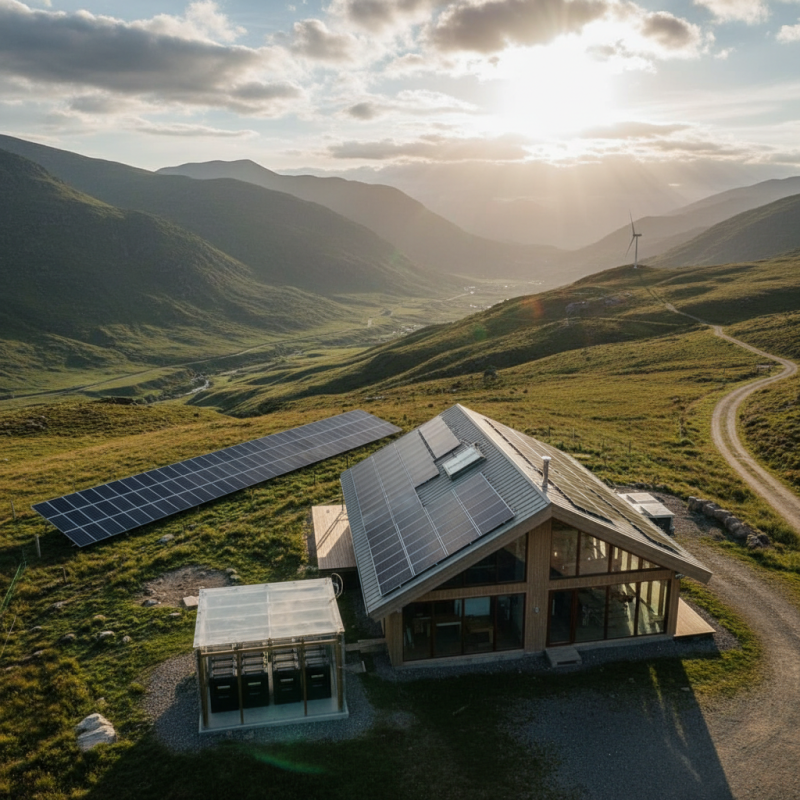
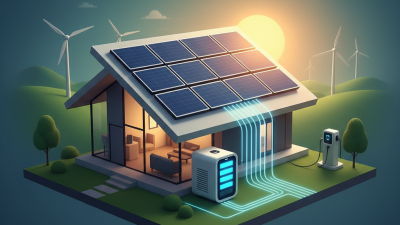
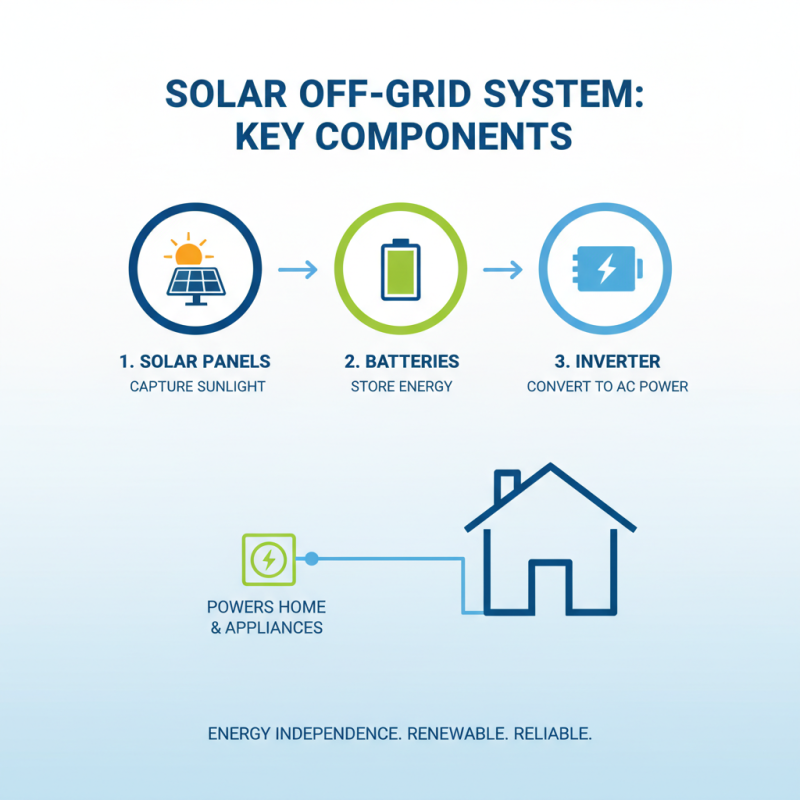
A solar off-grid system provides energy independence by utilizing renewable resources. Understanding its key components is essential for anyone considering this option. At its core, a solar off-grid system includes solar panels, batteries, and an inverter. Solar panels capture sunlight and convert it into electricity. This energy is essential for powering homes and appliances.
Batteries play a vital role in storing the energy generated. They ensure you have power available even when sunlight is low. The inverter converts the stored electricity into a usable form for your appliances. Without a reliable inverter, all that stored energy would be useless. Ensuring the right battery capacity is crucial; too little can leave you in the dark.
Aside from these key components, one should not overlook the importance of planning. The system’s layout must be efficient and tailored to your energy needs. Users often struggle with the learning curve of maintaining their systems. Regular maintenance is required to prolong their lifespan. There can be challenges, such as unexpected energy demands or equipment failures. Understanding these components can empower you to make informed decisions and truly embrace energy independence.
Financial Considerations for Investing in Off Grid Solar Energy
Investing in an off-grid solar energy system can significantly reduce energy costs. According to the U.S. Department of Energy, solar energy prices have dropped by nearly 89% since 2009. This reduction makes solar systems more accessible to homeowners. The long-term savings can be substantial. Many users report savings of 30% to 50% on their monthly energy bills.
Financial incentives play a critical role in the decision to invest. Federal tax credits can cover up to 26% of the installation costs. Some states offer additional rebates and incentives. These programs make solar energy a viable option. However, initial costs can still be daunting. The average off-grid solar system may range from $10,000 to $30,000. Homeowners must weigh their options carefully.
Additionally, the potential for energy independence is attractive. Relying solely on solar means avoiding fluctuating utility prices. Yet, it’s essential to consider efficiency and maintenance. Battery storage can also add to the overall cost. Upfront expenses may seem high, and unexpected repairs can occur. Those investing in off-grid systems should assess their financial situation thoroughly before committing.
Why Choose a Solar Off Grid System for Energy Independence?
| Dimension |
Details |
| Initial Investment Cost |
$15,000 - $30,000 |
| Return on Investment (ROI) |
5 - 10 Years |
| Annual Savings on Electricity Bills |
$1,000 - $2,500 |
| Environmental Impact Reduction |
Reduced Carbon Footprint by 5 - 10 Tons/Year |
| System Lifespan |
25 Years |
| Maintenance Cost per Year |
$200 - $500 |
Environmental Impact of Choosing a Solar Off Grid System
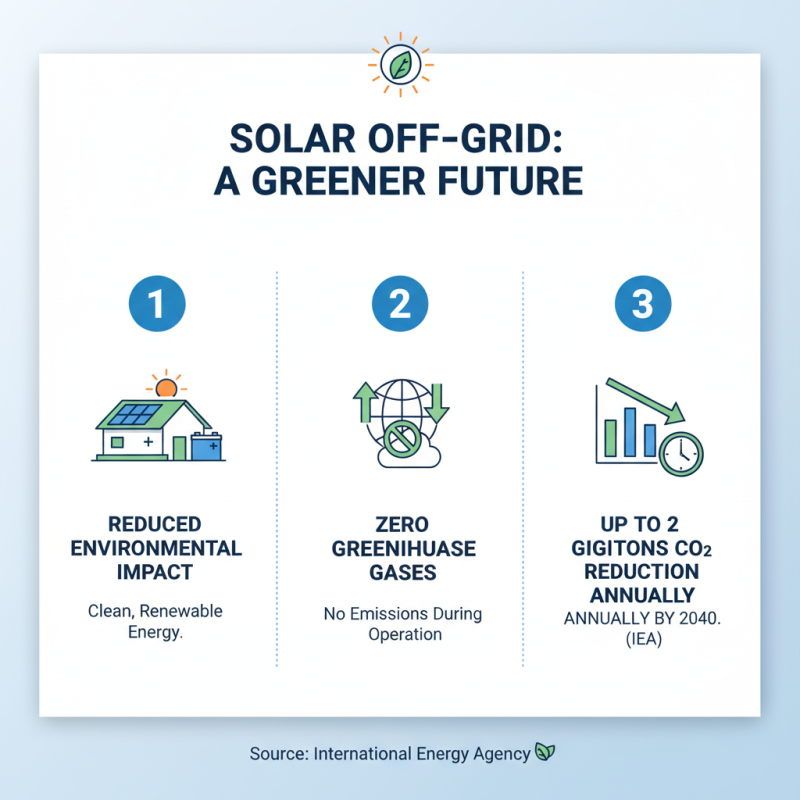
Choosing a solar off-grid system significantly reduces the environmental impact. Solar energy is a clean, renewable resource, emitting no greenhouse gases during operation. According to the International Energy Agency, solar power has the potential to reduce carbon emissions by up to 2 gigatons annually by 2040.
With the increasing reliance on fossil fuels, the urgent need for alternatives has grown. The Global Renewable Energy Report indicates that transitioning to solar can decrease water consumption by 80% compared to traditional power generation. This is crucial, especially in water-scarce regions. However, the production of solar panels does involve some environmental challenges. Mining for raw materials can be disruptive, leading to habitat loss and increased carbon footprint.
Yet, these challenges are outweighed by the long-term benefits of solar. Embracing a solar off-grid system can create energy independence while promoting sustainability. A report from the World Wildlife Fund emphasizes the importance of investing in cleaner technologies. A solar system can power homes and businesses, all while minimizing reliance on the grid and fossil fuels.