2026 How to Choose the Right Battery Back Up For Homes?
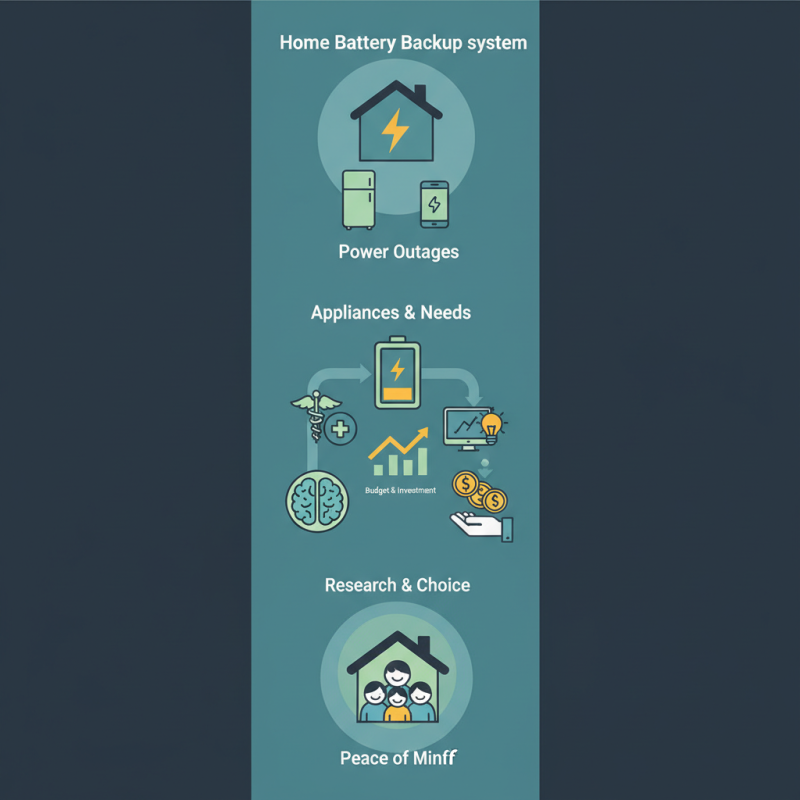
Choosing the right battery back up for homes is vital in today's energy landscape. Power outages can disrupt daily life. Homeowners face uncertainty during storms or grid failures. A reliable battery back up can ensure safety and comfort.
When selecting a battery back up for homes, consider your needs. Think about the appliances you rely on. Do you have medical devices needing uninterrupted power? Assessing your energy consumption helps in choosing the right capacity.
Budget is another key factor. High-quality systems may cost more. However, they often provide longer lifespan and better performance. Sometimes, cheaper options lead to unsatisfactory results. Reflect on your choices carefully, as poor decisions can cause frustration later. A well-informed choice will bring peace of mind during outages.
Understanding Battery Backup Systems: Key Concepts and Types
Battery backup systems play a crucial role in modern homes, especially with the frequent power outages reported. According to a study by the U.S. Energy Information Administration, nearly 14% of American households experienced power interruptions in 2022. Understanding the different types of battery backup systems is essential for homeowners looking to ensure a reliable power supply.
There are primarily two types of battery backup systems: lead-acid batteries and lithium-ion batteries. Lead-acid batteries are more cost-effective but tend to have shorter lifespans. They require regular maintenance. Lithium-ion batteries, on the other hand, have higher energy density and longer life but come with a heavier price tag. The average lifespan of lithium-ion batteries can extend up to 15 years, significantly outweighing their initial cost.
Choosing the right system requires evaluating usage needs and home energy demands. This might involve considering peak load times and essential appliances that need power. It’s essential to analyze energy consumption patterns realistically. A mismatch in capacity can lead to frustration. Planning for future energy needs can feel overwhelming, especially with changing technology and fluctuating energy standards. Homeowners must strike a balance between current and future needs while making informed decisions.
Battery Backup Systems Comparison
This chart compares the cost of different battery backup systems per kilowatt-hour (kWh). As we can see, Lithium-Ion batteries are the most expensive, while Lead-Acid batteries are the most cost-effective option for home use.
Evaluating Your Energy Needs: Calculating Power Requirements for Your Home
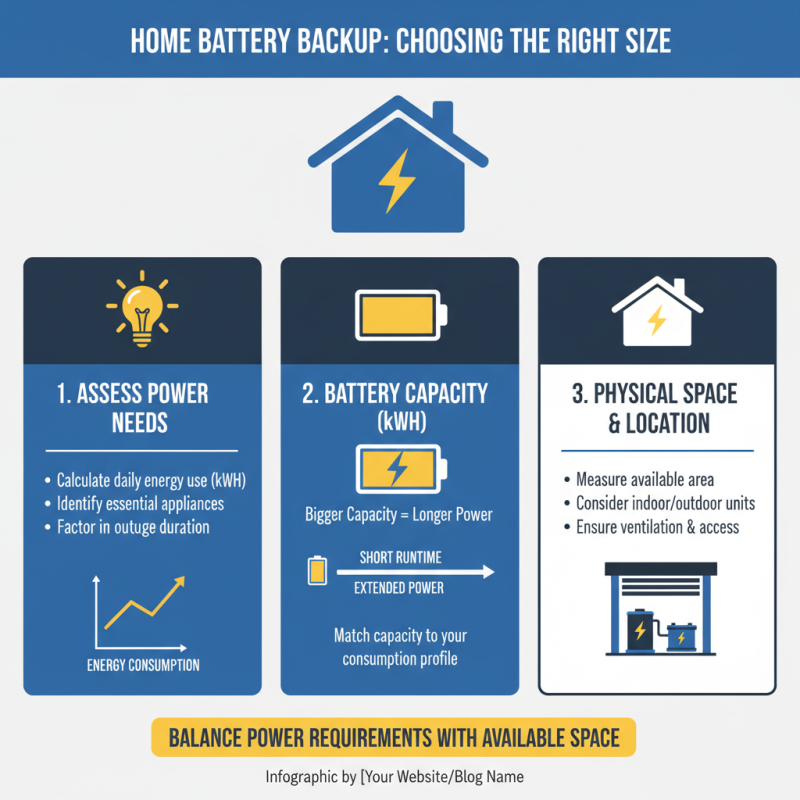
Calculating power requirements is crucial for choosing the right battery backup system for your home. Start by listing all your appliances. Every device has a wattage rating. This information is usually found on the product label. Add the wattages together for a total. Be sure to consider starting wattage for items like refrigerators.
Next, think about your energy needs during an outage. How long can you go without power? This will dictate the battery capacity you need. Do you want to power essential devices only? Or do you wish to keep your entire home running? One wrong assumption can lead to inadequate power during an emergency.
It’s also important to track your daily energy use. Review your electricity bills to find your average consumption. This can vary seasonally. Reflect on your lifestyle and needs. Are there devices you rarely use? Cut those from your list. Balancing needs with a realistic power requirement is not an easy task and may require adjustments over time.
Comparing Leading Battery Backup Brands and Models Available on the Market
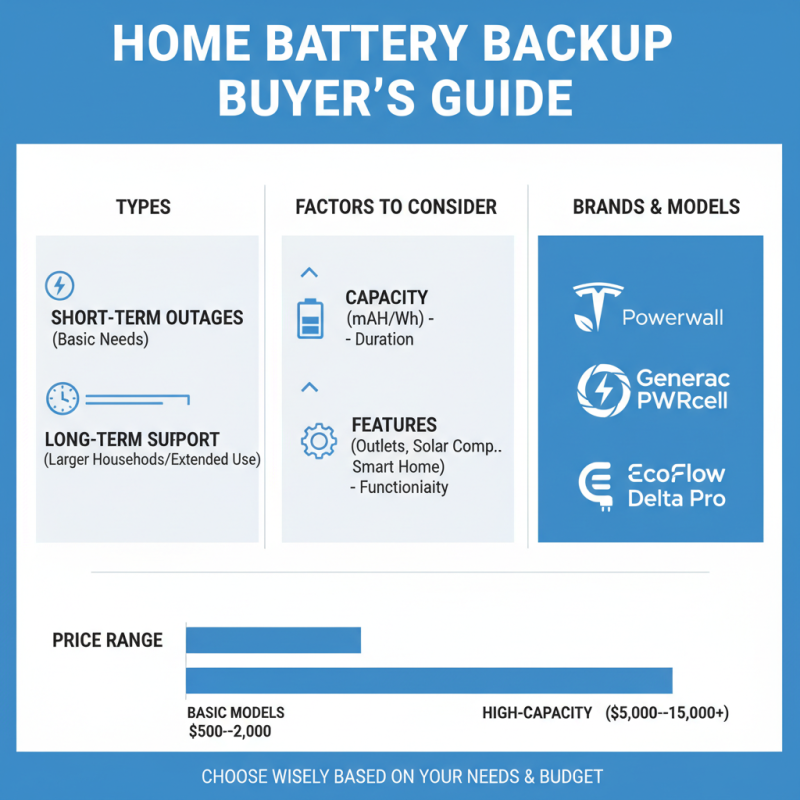
When selecting a battery backup for your home, understanding various brands and models is essential. Different products cater to unique needs. Some offer short-term power during outages. Others provide longer backup times, which is crucial for larger households. Prices vary significantly, often based on capacity and features.
There are a few key aspects to consider. One is capacity, measured in watt-hours. A higher number means more power. Also, think about recharge time. Some backups take longer to charge fully, which can be inconvenient. Features like app connectivity can add value but aren't necessary for everyone. Some models may have a user-friendly interface, while others are more complex, requiring time to learn.
While reviewing options, product reviews can be helpful. Not all feedback is reliable, though. Sometimes, people don't share their full experiences. Certain aspects could matter more than what is mentioned. It's vital to filter information and focus on what suits your lifestyle. Remember, the perfect choice might not exist.
Installation and Maintenance Tips for Your Battery Backup System
When considering a battery backup system, proper installation is crucial. An estimated 40% of battery failures are linked to poor installation techniques. Ensure that your installation involves a clean and dry area, with minimal temperature fluctuations. Space is also essential; batteries need proper ventilation. This prevents overheating and maximizes performance. Utilizing a professional installer can mitigate risks associated with improper setup.
Maintenance plays a vital role in longevity. Studies show that regular checks improve battery life by up to 25%. Monthly inspections of connections and terminals can prevent corrosion. Clean the terminals carefully using a mixture of baking soda and water. This helps maintain conductivity. Additionally, monitoring the battery's charge regularly can identify issues early. Many users overlook battery software updates; these can enhance efficiency and safety.
However, despite best practices, problems can still arise. Some users report confusion regarding battery lifespan and warranty details. Understanding these terms is critical. A recent survey indicated that only 30% of homeowners feel confident in their knowledge about battery maintenance needs. Educating oneself about the specifics of the battery used is essential.